PMFME scheme helps Kupwara hotel owner expand business, create 14 jobs
Synopsis
A hotel owner in Kupwara, one of Jammu and Kashmir's border districts, used PMFME scheme funds and banking support to expand his business and create jobs for 14 people — a ground-level illustration of how targeted government credit access can unlock entrepreneurship in capital-scarce regions.
Key Takeaways
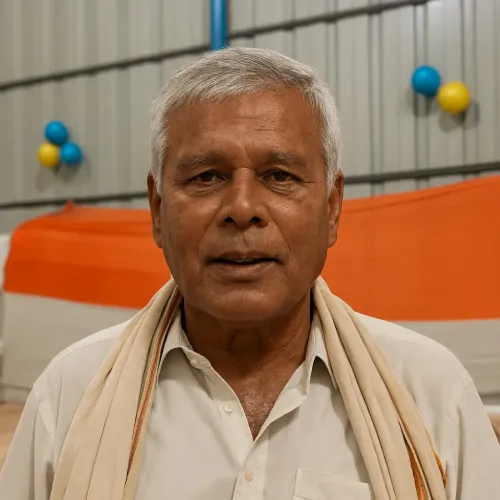
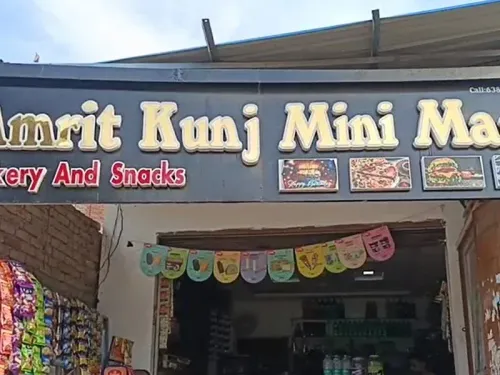
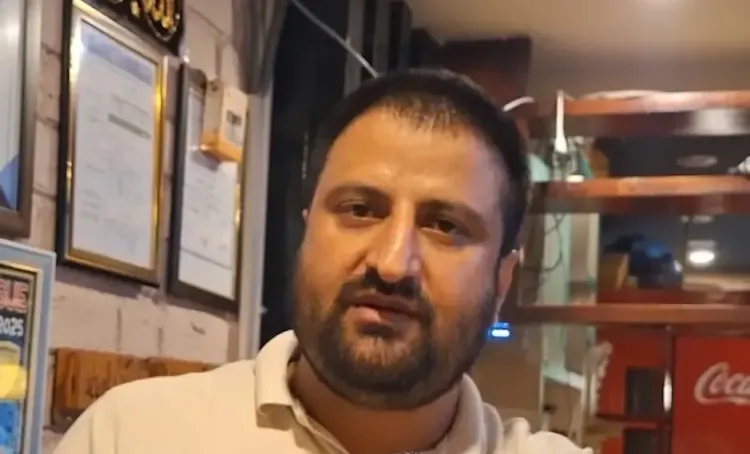
Sohail Ahmad War , a hotel and restaurant owner in Kupwara, Jammu and Kashmir , expanded his business with support from the PMFME scheme and institutional banking assistance.
The intervention helped generate employment for around 14 people in the local area.
War cited limited access to capital as the primary barrier before receiving government support.
He called for the scheme's benefits to reach more young and aspiring entrepreneurs across the region.
His case highlights how formal credit access can help micro-enterprises in border districts become sustainable and employment-generating.
Government support under the Pradhan Mantri Formalisation of Micro Food Processing Enterprises (PMFME) scheme, combined with institutional banking assistance, has enabled Sohail Ahmad War, a hotel and restaurant owner in Kupwara district, Jammu and Kashmir, to expand his business and generate employment for around 14 people. War's experience underscores how targeted financial intervention can help micro-entrepreneurs in capital-scarce regions build sustainable livelihoods.
The Challenge Before the Scheme
Before receiving government support, Sohail Ahmad War struggled to arrange adequate funds to establish and sustain his hospitality venture. Limited access to capital is a persistent constraint for small business owners in Kupwara, a border district in northern Jammu and Kashmir, where formal credit channels have historically been difficult to navigate. War said arranging sufficient finances to run the business was a major challenge prior to the intervention.
How PMFME and Banking Support Changed the Picture
Financial assistance under the PMFME scheme provided War with the capital needed to invest in his business, upgrade facilities, and expand operations. Coupled with banking-system support, the funds helped him overcome initial investment constraints and take his venture forward. 'This financial assistance helped me strengthen my business and turn it into a sustainable source of livelihood,' War said. The combined support not only improved his income but also created livelihood opportunities for others in the area, with employment now extended to approximately 14 people.
Broader Impact on Local Employment
War highlighted that such schemes can play a significant role in promoting self-employment, strengthening local enterprises, and generating jobs — particularly in regions where access to capital remains a structural challenge. He expressed hope that similar initiatives would continue to reach aspiring entrepreneurs, especially young people in the region, enabling them to establish their own businesses and contribute to the local economy. Notably, his case reflects a wider pattern seen across underserved districts, where the PMFME scheme has been deployed to bring micro food-processing and hospitality enterprises into the formal economy.
A Beneficiary's Call to Scale the Model
War urged that the benefits of such initiatives reach more aspiring entrepreneurs so they, too, can become financially independent and create employment opportunities for others. 'As a beneficiary, I believe the true success of government schemes is when their benefits reach ordinary people,' he said. He argued that the effectiveness of government welfare programmes should be measured by how successfully benefits translate into improved economic conditions on the ground — a benchmark, he suggested, that the PMFME scheme has met in his case.
War's story from Kupwara offers a ground-level data point on the scheme's reach, and points to the potential of structured financial support to unlock entrepreneurial activity in Jammu and Kashmir's more remote districts.
Point of View
Not a startup founder in a metro. The PMFME scheme's real test is replication at scale across J&K's underserved districts, not isolated success cases. Kupwara's structural challenges — geographic remoteness, limited banking penetration, a fragile post-conflict economy — mean that one beneficiary's uplift, while genuine, should not be mistaken for systemic change. The harder question mainstream coverage rarely asks is: how many eligible micro-enterprises in the district have applied, and how many have been turned away or remained unaware? Until outreach and disbursal data are publicly tracked at the district level, the scheme's true reach remains difficult to assess.
NationPress
15 Oct 2026
Frequently Asked Questions
What is the PMFME scheme and how does it help entrepreneurs?
The Pradhan Mantri Formalisation of Micro Food Processing Enterprises (PMFME) scheme provides financial assistance, technical support, and banking linkages to micro food-processing and related enterprises to help them formalise, upgrade, and expand. In Kupwara, it helped hotel owner Sohail Ahmad War access capital he could not otherwise arrange, enabling him to grow his business and employ around 14 people.
Who is Sohail Ahmad War and what did the scheme do for him?
Sohail Ahmad War is a hotel and restaurant owner in Kupwara district, Jammu and Kashmir. He received financial support under the PMFME scheme combined with banking assistance, which allowed him to invest in his business, upgrade facilities, expand operations, and create employment for approximately 14 people in the area.
Why is access to capital a challenge for entrepreneurs in Kupwara?
Kupwara is a border district in northern Jammu and Kashmir where formal credit channels have historically been difficult to access for small business owners. Limited financial infrastructure and a challenging economic environment mean many micro-entrepreneurs struggle to secure the funds needed to start or sustain ventures.
What impact has the PMFME scheme had on local employment in Kupwara?
In the case of Sohail Ahmad War, the scheme's support led directly to employment for around 14 people, according to War. He says such initiatives can promote self-employment and strengthen local enterprises, particularly in regions where capital access remains a structural barrier.
What did the beneficiary urge the government to do?
War urged that the benefits of the PMFME scheme and similar initiatives reach more aspiring entrepreneurs, especially young people in the region, so they can become financially independent and generate employment for others. He called on the government to ensure scheme benefits translate into measurable economic improvement at the grassroots level.