Pradhan Mantri Suraksha Bima Yojana turns 11: How it shields poor families
Synopsis
Eleven years after its launch, the Pradhan Mantri Suraksha Bima Yojana continues to serve as a critical financial buffer for India's most vulnerable families. In Balod, Chhattisgarh, residents credit the ₹2 lakh accidental death cover with preventing financial ruin — a grassroots testament to what low-premium inclusive insurance can achieve at scale.
Key Takeaways
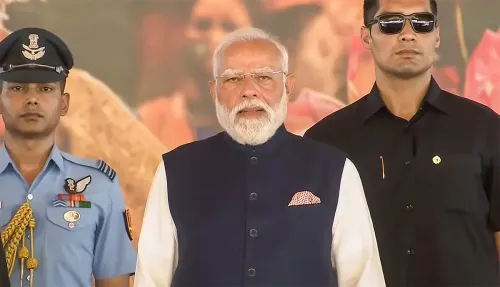
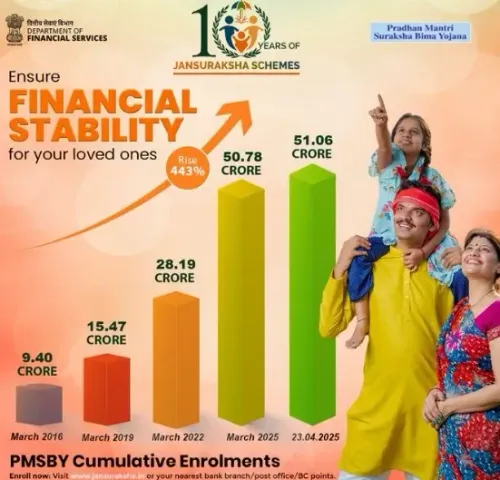
The Pradhan Mantri Suraksha Bima Yojana (PMSBY) completed 11 years on 10 May 2025 , having been launched by PM Narendra Modi in 2015 .
The scheme provides up to ₹2 lakh in accidental death cover and up to ₹1 lakh for disability caused by accidents.
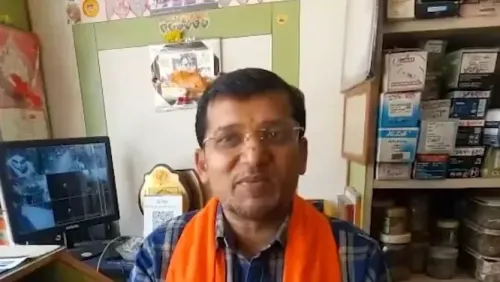
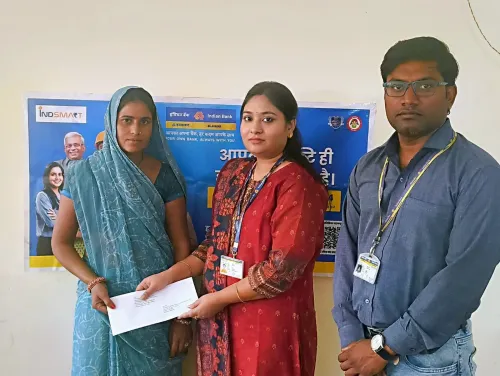
Residents of Balod, Chhattisgarh , including Manju Sahu , Ishwar Kumar , and Lal Ji Sahu , described the scheme as a financial lifeline.
The Pradhan Mantri Jeevan Jyoti Bima Yojana (PMJJBY) complements PMSBY, together broadening social security coverage for low-income families.
Beneficiaries are actively encouraging community members to enrol, driving grassroots awareness of the scheme.
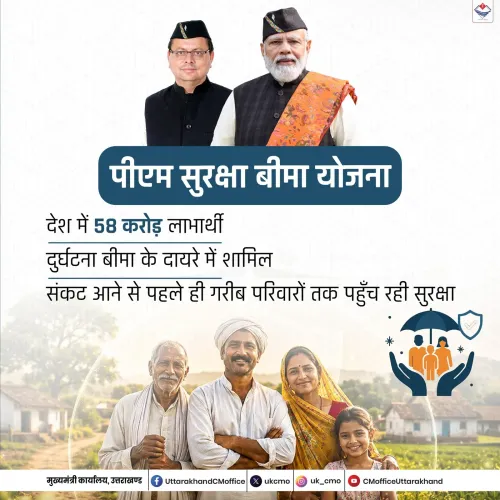
The Pradhan Mantri Suraksha Bima Yojana (PMSBY), a flagship accident insurance scheme launched by Prime Minister Narendra Modi in 2015, marked its 11th anniversary on Sunday, 10 May 2025. Designed to provide a financial safety net for poor and middle-class families across India, the scheme has grown into a critical protective shield for millions, particularly in regions like Balod, Chhattisgarh, where residents describe it as a lifeline.
What the Scheme Offers
Under the Pradhan Mantri Suraksha Bima Yojana, enrolled account holders receive financial assistance of up to ₹1 lakh in cases of disability resulting from an accident, and up to ₹2 lakh in the event of accidental death. The scheme is designed to be accessible to low-income families who would otherwise have no safety net against sudden financial shocks caused by accidents.
Manju Sahu, a resident of Balod, highlighted the practical value of the scheme, noting that the insurance coverage provides essential support during the most challenging moments a family can face. For households living in economic hardship, this timely intervention acts as a critical buffer during periods of crisis.
Impact on Ground-Level Communities
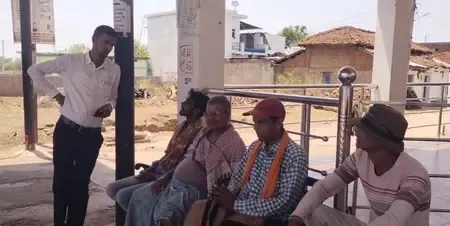
Other local residents, including Ishwar Kumar, Omprakash, and Lal Ji Sahu, noted that the combined reach of the Pradhan Mantri Suraksha Bima Yojana and the Pradhan Mantri Jeevan Jyoti Bima Yojana (PMJJBY) has significantly transformed the landscape of social security in India. Together, the two schemes address both accidental and life insurance gaps that had long left vulnerable families exposed.
Prior to the implementation of these schemes, families were often left financially devastated and socially vulnerable following the loss or disability of a breadwinner. Today, according to beneficiaries, the government-backed financial assistance provides the stability required to recover and rebuild lives.
A Decade of Inclusive Financial Policy
Reflecting on more than a decade of progress, beneficiaries emphasised that the absence of such schemes would have left India's poor in a far more precarious position. The schemes are seen as a concrete expression of inclusive financial policy reaching the grassroots level, particularly in smaller towns and rural districts like Balod.
Enrolled residents have also taken it upon themselves to encourage other community members to register under the programme, underlining the organic spread of awareness at the local level. This comes amid the broader push by the Centre to deepen financial inclusion across underserved districts.
What's Next
As the scheme enters its 12th year, the focus is expected to remain on widening enrolment and ensuring timely claim settlements. The anniversary serves as a reminder of the role low-premium, high-coverage insurance can play in stabilising household economies at the bottom of the pyramid.
Point of View
But the real measure is claim settlement rates and enrolment depth in the most underserved districts — data the government has been slow to publish comprehensively. The scheme's ₹20-per-year premium model is among the most cost-effective social insurance designs globally, yet awareness gaps persist in remote rural pockets. The testimonials from Balod are compelling, but they also underscore a structural question: how many eligible families remain unenrolled simply because no one told them the scheme existed?
NationPress
24 Sept 2026
Frequently Asked Questions
What is the Pradhan Mantri Suraksha Bima Yojana?
The Pradhan Mantri Suraksha Bima Yojana (PMSBY) is a government-backed accident insurance scheme launched by PM Narendra Modi in 2015. It offers financial coverage of up to ₹2 lakh for accidental death and up to ₹1 lakh for disability, targeting poor and middle-class families across India.
How much coverage does PMSBY provide?
PMSBY provides up to ₹2 lakh in the event of accidental death and up to ₹1 lakh in cases of disability caused by an accident. The scheme is available at a very low annual premium, making it accessible to low-income households.
What is the difference between PMSBY and PMJJBY?
PMSBY covers accidental death and disability, while the Pradhan Mantri Jeevan Jyoti Bima Yojana (PMJJBY) provides life insurance cover for death from any cause. Together, the two schemes offer a broader social security net for vulnerable families.
Who can enrol in the Pradhan Mantri Suraksha Bima Yojana?
The scheme is available to individuals with a savings bank account, typically targeting those from low-income and middle-class backgrounds. Enrolment is facilitated through participating banks across India.
Why is PMSBY significant for families in rural India?
For families in rural and semi-urban areas, the sudden loss or disability of a breadwinner can be financially catastrophic. PMSBY provides a structured financial buffer that helps such families stabilise and recover, reducing their dependence on informal borrowing or charity during crises.