PoK protests outlast crackdown as JAAC vows to fight on without leaders
Synopsis
Pakistan's establishment bet that arresting JAAC leader Shaukat Nawaz Mir would break the PoK protest movement — it hasn't. With demonstrators now openly demanding independence and the Defence Minister's remarks deepening the rift, Islamabad is pivoting to an Indus Waters Treaty narrative to deflect blame onto India. The crisis in PoK is unlike anything Pakistan has faced there before.
Key Takeaways
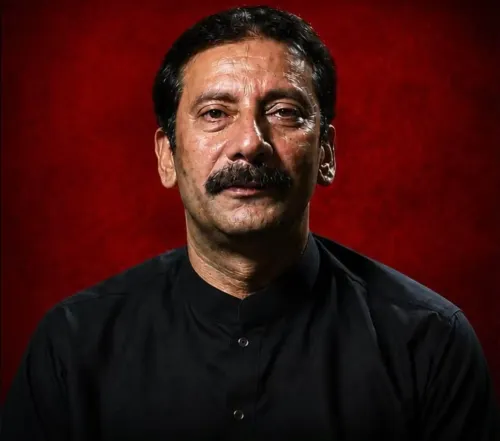
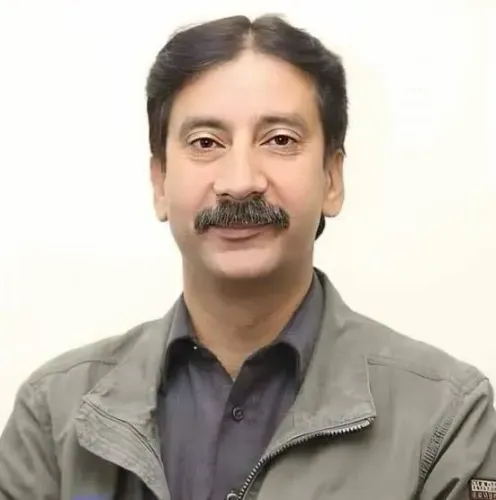
Shaukat Nawaz Mir , senior JAAC leader, was arrested on 1 July in a joint operation and transferred to Rawalpindi under military watch.
The JAAC has vowed protests will continue without leaders, calling it a people's movement, not an organisational one.
Firing at protesters, forced disappearances, and anti-terrorism charges have failed to suppress demonstrations — and have reportedly intensified them.
Residents of PoK are increasingly calling for independence from Pakistan , alarming the establishment.
Defence Minister Khawaja Asif 's remark that people of Rawalot and Mirpur are 'not proper Kashmiris' has deepened public anger.
Pakistan is reportedly using the Indus Waters Treaty dispute to deflect international attention from the PoK crisis and its domestic economic troubles.
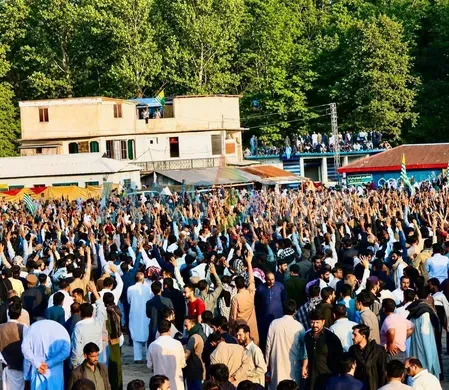
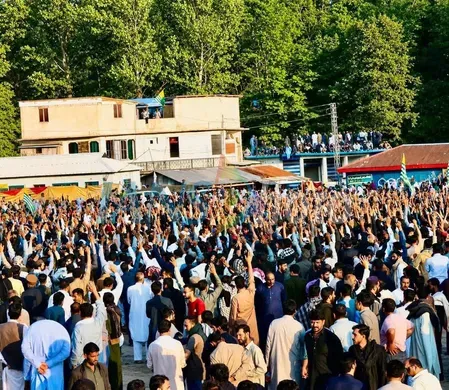
Protests in Pakistan-occupied Kashmir (PoK) have continued unabated despite a sweeping crackdown by the Pakistan establishment, with the arrest of Joint Awami Action Committee (JAAC) leader Shaukat Nawaz Mir on 1 July failing to dent demonstrator resolve. According to officials, the establishment is now gripped by panic as its strategy of brute force, forced disappearances, and high-profile detentions has not only failed to suppress dissent — it has intensified it.
The Arrest of Shaukat Nawaz Mir
Shaukat Nawaz Mir, one of the most prominent voices in PoK and a senior leader of the JAAC, was picked up in a coordinated operation involving Intelligence agencies, local police, and Pakistan Rangers. He was subsequently transferred to Rawalpindi, reportedly to place him under direct military oversight. According to officials, the transfer itself was intended as a signal — a warning of what awaits other protest leaders who refuse to stand down.
The JAAC, however, has dismissed the move. The committee has made clear that the protests are not contingent on any individual leader and that demonstrations will continue regardless of who is detained. 'It is not a protest by some organisation, but by the people,' the JAAC has stated.
A Crackdown That Has Backfired
Officials say the Pakistan establishment had expected the protests to dissipate over time, as they have in the past. That calculation has not held. Firing at protesters — including women and children — forced disappearances, and threats under anti-terrorism laws have, according to officials, only hardened public resolve. The establishment is now reportedly confronting a crisis in PoK of a scale it has not previously encountered.
Notably, a growing number of residents in the region have begun publicly declaring that they no longer consider themselves part of Pakistan, with calls for outright independence gaining traction. Officials say this shift has alarmed the establishment more than the protests themselves.
Roots of the Unrest
The demonstrations were triggered by longstanding economic grievances: demands for wheat subsidies, fair electricity pricing, and an end to what protesters describe as the systematic exploitation of PoK's natural resources. The establishment has so far not addressed any of these demands.
The unrest has been further inflamed by remarks from Pakistan's Defence Minister Khawaja Asif, who reportedly described the people of Rawalot and Mirpur as 'not proper Kashmiris.' According to officials, the comment has deepened the rift between the region's population and the federal establishment, and has been widely condemned within PoK.
Pakistan's Attempt to Shift the Narrative
Facing mounting domestic pressure, the Pakistan establishment has reportedly pivoted to an external deflection strategy. Officials say Islamabad has begun pushing a narrative around the Indus Waters Treaty (IWT) — which India placed in abeyance following the Pahalgam terror attack by Pakistan-based militants in which 26 people were killed — framing New Delhi as committing 'water terrorism.'
According to officials, the aim is to divert attention from the PoK crisis and the broader economic deterioration within Pakistan, and to build a global narrative implicating India. The accusation that India is backing the PoK protests has, according to officials, not been taken seriously internationally.
Officials also note that Pakistan's own water infrastructure challenges — including severe financial constraints affecting the Diamer-Bhasha and Dasu dam projects and poorly maintained canal networks — are unlikely to be acknowledged publicly by the establishment.
What Comes Next
With the JAAC signalling no let-up and public sentiment in PoK hardening, the Pakistan establishment faces a deepening legitimacy crisis in the region. Officials warn that continued repression without addressing core economic demands risks further radicalising public opinion — and potentially expanding the protest movement beyond its current base.
Point of View
Label the rest terrorism — has a long history, but this time the movement appears structurally different: it is demand-led, economically rooted, and explicitly leaderless by design. The JAAC's framing of this as a people's uprising rather than an organisational protest makes it far harder to decapitate. Islamabad's pivot to the Indus Waters Treaty narrative is a tell — it signals the establishment has no credible domestic answer to the crisis and is betting on external distraction. That bet looks increasingly thin, given that the IWT deflection has found little international traction. The deeper risk for Pakistan is that the independence rhetoric now circulating in PoK, if left unaddressed, could harden from slogan into political movement.
NationPress
30 Sept 2026
Frequently Asked Questions
Why are people protesting in Pakistan-occupied Kashmir (PoK)?
Residents of PoK have been protesting over longstanding economic grievances, including demands for wheat subsidies, fair electricity pricing, and an end to what they describe as exploitation of the region's natural resources. The Pakistan establishment has not addressed any of these demands, and the crackdown has only deepened public anger.
Who is Shaukat Nawaz Mir and why was he arrested?
Shaukat Nawaz Mir is a prominent leader of the Joint Awami Action Committee (JAAC), the primary organising body behind the PoK protests. He was arrested on 1 July in a coordinated operation by Intelligence agencies, local police, and Pakistan Rangers, and transferred to Rawalpindi — reportedly to signal the consequences for protest leadership.
Has the crackdown succeeded in stopping the protests?
No. According to officials, brute force, forced disappearances, firing at protesters, and high-profile arrests have not suppressed the movement — they have intensified it. The JAAC has stated that protests will continue even without leaders, describing the unrest as a people's movement rather than an organisational one.
What did Pakistan's Defence Minister say that inflamed tensions in PoK?
Defence Minister Khawaja Asif reportedly stated that the people of Rawalot and Mirpur were 'not proper Kashmiris.' The remark has been widely condemned in PoK and, according to officials, has significantly widened the rift between the region's population and the Pakistan federal establishment.
Why is Pakistan raising the Indus Waters Treaty issue now?
According to officials, Pakistan is invoking the Indus Waters Treaty — placed in abeyance by India following the Pahalgam terror attack in which 26 people were killed — to deflect domestic and international attention from the PoK crisis and its broader economic troubles. The accusation that India is backing the protests has reportedly not gained traction internationally.