Is the Power Sector the Leading Cause of Pollution in Bangladesh?
Synopsis
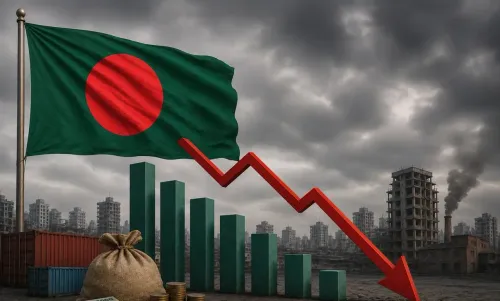
Bangladesh’s power sector, heavily reliant on fossil fuels, is not only a financial liability but also the leading contributor to pollution. This urgent issue calls for a significant shift towards renewable energy, as detailed in a recent manifesto by the Bangladesh Working Group on Ecology and Development.
Key Takeaways
Power sector pollution: The power sector is the largest contributor to pollution in Bangladesh.
Financial burden: The reliance on fossil fuels incurs substantial economic costs.
Urgent transition needed: A shift to renewable energy is essential for reducing emissions.
Inclusive approach: The transition must involve all segments of society, particularly marginalized groups.
Government action: Political commitment to the BWGED manifesto is crucial for sustainable development.
New Delhi, Jan 22 (NationPress) The power sector in Bangladesh, which is struggling financially and reliant on fossil fuels, has become the primary contributor to pollution in the nation, according to local media reports.
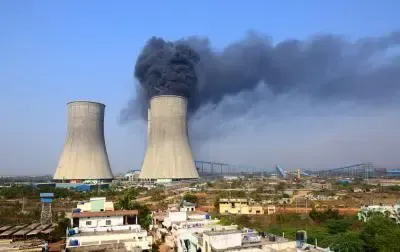
The Bangladesh Working Group on Ecology and Development (BWGED) has put forth a 13-point manifesto advocating for a "just transition in the energy sector." Transitioning to renewable energy is increasingly urgent due to the rising environmental pollution, particularly carbon emissions from fossil fuel plants that account for 28 percent of the country's air pollution, as reported by The Daily Star.
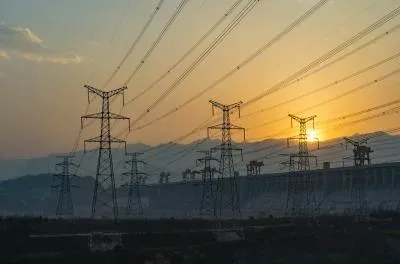
"The immense financial burden stemming from our reliance on fossil fuel imports necessitates this transition. The nation incurs approximately $18.5 billion in capacity charges, coupled with an extra $27.23 billion in losses from the Bangladesh Power Development Board (BPDB)," the BWGED report highlighted.
Additionally, the annual spending on fossil fuel imports is around $11.72 billion, exerting substantial pressure on the foreign exchange reserves, the article noted.
To promote a swift shift to affordable renewable energy, subsidies for coal, gas, and fuel must be gradually eliminated. There should be a ban on new coal, gas, or oil plants, and workers from decommissioned facilities should be ensured alternative livelihoods. Moreover, new LNG terminals must not receive approval, accompanied by strict measures to curb gas leaks and illegal connections, as outlined in the manifesto.
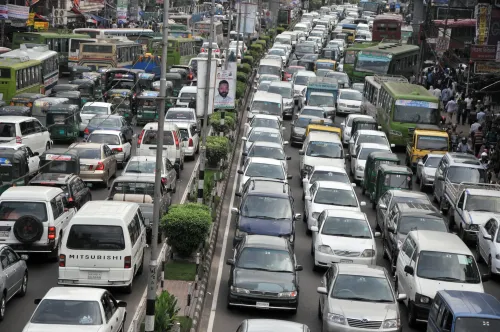
A strategic roadmap for this transition is essential, with time-bound targets integrated into all national and sectoral strategies. Significant funding for renewable energy is crucial, including the removal of VAT and import taxes on solar panels and related equipment. The transport sector, being a major polluter, also requires urgent attention.
The BWGED's citizen manifesto calls for considerable reductions in import duties and taxes on electric vehicles, alongside zero duties on advanced batteries, which should include public buses and other transport modes. A "just transition" must encompass all segments of society—especially women, indigenous groups, farmers, fishers, workers, and low-income communities. Therefore, new green job opportunities should be created through short-term training and accessible loans, particularly for unemployed youth, women, and marginalized populations. Land acquisition for energy projects should be banned to safeguard agricultural livelihoods, and special incentives should be offered to farmers adopting renewable energy.
The citizen manifesto provides a clear pathway for the next government to facilitate the country's transition to renewable energy, ultimately alleviating financial burdens and reducing carbon footprints. Political parties must understand that adopting these proposals and implementing them, if they come into power, is vital for Bangladesh’s economic and environmental sustainability.
Point of View
It is crucial for Bangladesh to recognize the intersection of economic and environmental policies. The findings from the Bangladesh Working Group on Ecology and Development highlight the urgent need for a shift towards renewable energy. Embracing this transition not only addresses pollution but also ensures a sustainable future for all citizens. The government must prioritize these actions to safeguard both the economy and the environment.
NationPress
14 Oct 2026
Frequently Asked Questions
What is the main cause of pollution in Bangladesh?
The power sector, primarily due to its reliance on fossil fuels, has emerged as the leading cause of pollution in Bangladesh, contributing significantly to air pollution and carbon emissions.
What does the BWGED manifesto propose?
The BWGED manifesto proposes a 13-point plan for a just transition to renewable energy, emphasizing the need to reduce fossil fuel dependency and create green jobs while protecting vulnerable communities.
How much does Bangladesh spend on fossil fuel imports?
Bangladesh spends approximately $11.72 billion annually on fossil fuel imports, which places a significant strain on the nation's foreign exchange reserves.