Pradhan: Modi Govt Secures Urea Supply Amid West Asia Crisis
Synopsis
Union Education Minister Dharmendra Pradhan has credited the Modi government with ensuring uninterrupted urea and fertilizer supplies for Indian farmers amid West Asian geopolitical tensions, reaffirming the administration's commitment to agricultural and food security.
Key Takeaways
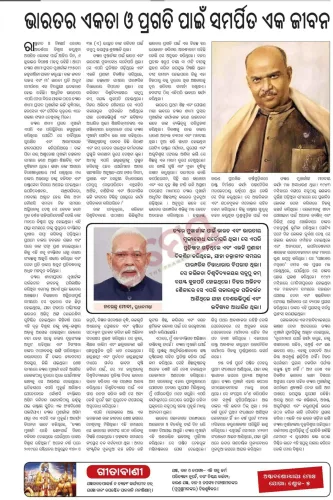
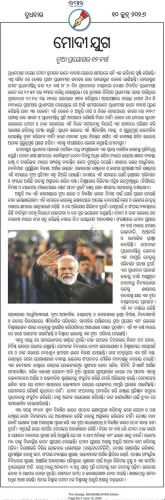
Dharmendra Pradhan posted in Odia on 28 May 2026 asserting India's security and prosperity remain intact despite the West Asia crisis.
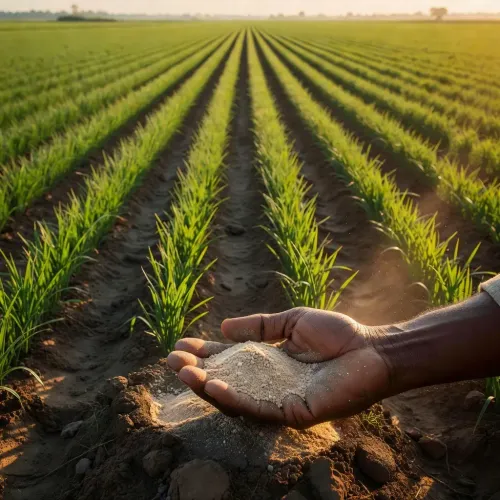
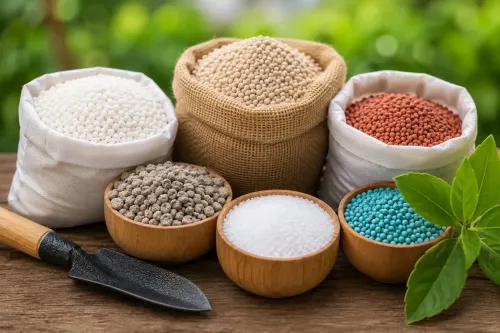
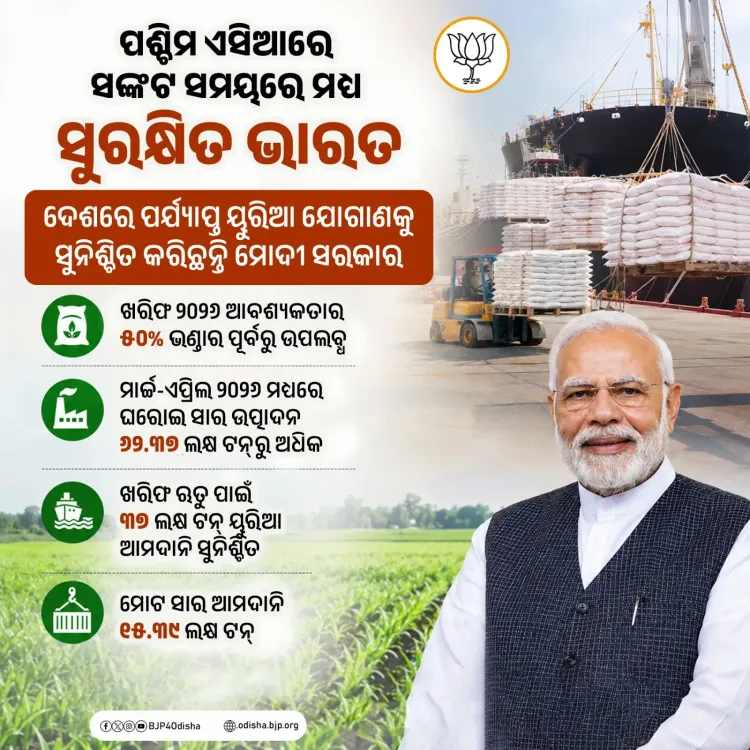
The Modi government has secured adequate urea and fertilizer supplies for farmers ahead of the Kharif 2026 sowing season.
India's fertilizer supply strategy includes long-term agreements with Oman , Saudi Arabia , and other regional suppliers to reduce dependence on volatile markets.
The Urea Subsidy Scheme and the 2015 neem-coated urea mandate form the backbone of India's agricultural input security architecture.
Pradhan's post in Odia targets his home state audience in Odisha , where agriculture is a primary livelihood for millions.
Analysts will watch Kharif 2026 allocation data and any new procurement contracts announced in the upcoming budget session for concrete follow-through.
Union Education Minister and senior BJP leader Dharmendra Pradhan on Thursday, 28 May 2026 credited the Modi government with ensuring uninterrupted urea and fertilizer supplies for Indian farmers despite escalating tensions in West Asia, asserting that India's security and prosperity remain intact.
Context
Posting in Odia, Pradhan wrote: 'ପଶ୍ଚିମ ଏସିଆର ସଙ୍କଟଜନକ ସ୍ଥିତି ମଧ୍ୟରେ ବି ଭାରତର ସୁରକ୍ଷା ଓ ସମୃଦ୍ଧି ଅକ୍ଷୁର୍ଣ୍ଣ ରହିଛି' ['Even amid the crisis in West Asia, India's security and prosperity remain unharmed']. He added that the government has 'once again proved its firm resolve' by ensuring adequate urea and fertilizer supply for the country's farmers, whom he referred to as 'ଅନ୍ନଦାତା' — the providers of food.
The post comes during a period of renewed geopolitical turbulence in West Asia, a region whose instability has historically disrupted global energy and fertilizer supply chains. Pradhan, who previously served as Union Petroleum Minister, brings direct experience in navigating such supply-chain vulnerabilities.
Policy Backdrop
India's fertilizer security architecture has been built over successive policy cycles. In 2015, the government mandated neem-coated urea to curb diversion and improve nitrogen-use efficiency across farms. When the Russia-Ukraine conflict triggered a global fertilizer price spike in 2022, New Delhi responded by executing additional import contracts and sharply raising subsidy outlays under the Urea Subsidy Scheme.
India has also diversified its fertilizer sourcing through long-term offtake agreements with Oman, Saudi Arabia, and other regional suppliers — a deliberate strategy to buffer domestic availability against West Asian volatility. Successive governments have treated fertilizer availability as a strategic imperative tied directly to food security and rural economic stability.
Stakeholders and Impact
Indian farmers — particularly those preparing for the Kharif 2026 sowing season — are the primary stakeholders. Urea is the most widely used nitrogenous fertilizer in India, and any supply disruption during the planting window can directly affect crop yields and farm incomes. The government's public affirmation of supply security is aimed at preventing panic buying or hoarding at the retail level.
Pradhan's choice to post in Odia signals a direct message to his home state of Odisha, where agriculture remains a dominant livelihood. The framing also reinforces the BJP's broader political narrative of the Modi government as a guarantor of rural welfare even during global crises.
What's Next
Attention will now turn to the Kharif 2026 fertilizer allocation figures and whether the government announces new long-term supply agreements in the upcoming budget session. Any formal statement from the Ministry of Chemicals and Fertilizers detailing procurement volumes or subsidy outlays would give concrete shape to the assurances Pradhan has signalled. The broader test will be whether farm-gate urea prices and availability remain stable through the critical June–July sowing period.
Point of View
His credibility on supply-chain management lends the message more weight than a routine ministerial statement. The Odia-language framing is a deliberate regional signal, consistent with the BJP's strategy of personalised outreach to state-level agrarian constituencies. Longer-term, the post sets a benchmark: if farm-gate urea availability falters during the Kharif window, the public commitment will become a political liability.
NationPress
11 Oct 2026
Frequently Asked Questions
Is urea supply in India affected by the West Asia crisis in 2026?
According to Union Education Minister Dharmendra Pradhan, the Modi government has ensured adequate urea and fertilizer supply for Indian farmers despite tensions in West Asia. India has long-term sourcing agreements with Oman, Saudi Arabia, and other suppliers to cushion against regional disruptions.
What is the Urea Subsidy Scheme in India?
The Urea Subsidy Scheme is a longstanding central government programme that provides subsidised urea to farmers to support agricultural production and food security. It ensures farm-gate prices remain affordable regardless of global price fluctuations.
Why did Dharmendra Pradhan post in Odia about fertilizers?
Pradhan represents Odisha, where agriculture is a dominant livelihood. Posting in Odia allows him to communicate directly with farmers and rural communities in his home state, reinforcing the BJP's outreach to agrarian constituencies ahead of the Kharif sowing season.
How has India secured fertilizer supply during global crises before?
During the 2022 global fertilizer price spike caused by the Russia-Ukraine conflict, India executed additional import contracts and raised subsidy outlays. The government also diversified sourcing through long-term agreements with Gulf countries including Oman and Saudi Arabia.
What is neem-coated urea and why was it introduced?
Neem-coated urea was mandated by the Indian government in 2015 to reduce the diversion of subsidised urea to non-agricultural uses and to improve nitrogen-use efficiency for farmers, thereby stretching the impact of subsidy expenditure.