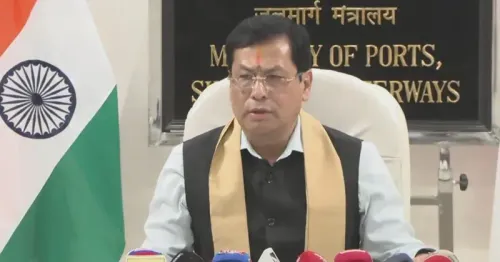
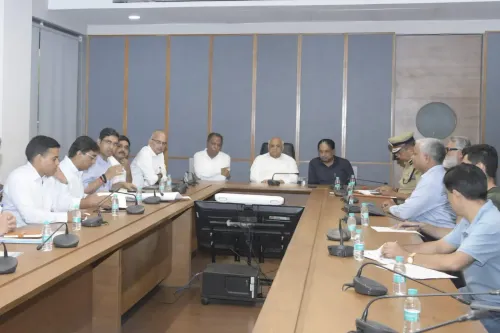
Pradhan joins virtual meet on Sambalpur flood crisis
Synopsis
Union Education Minister Dharmendra Pradhan joined a virtual meeting on 30 July 2026 with Odisha minister Rabi Naik, district officials, and civil society to address Sambalpur's flood and waterlogging crisis, directing a war-footing response to protect clean drinking water access.
Key Takeaways
Dharmendra Pradhan joined a virtual coordination meeting on 30 July 2026 on Sambalpur's flood and waterlogging crisis.
The meeting included Odisha minister Rabi Naik , district administration, local representatives, intellectuals, and civil society organisations.
Pradhan stated that freeing Sambalpur residents from waterlogging is the 'priority'.
He directed authorities to ensure no family is deprived of clean drinking water , calling for war-footing measures on water supply.
Proposals from local experts and civil society were described as welcome inputs for resolving the crisis.
Sambalpur is a western Odisha district historically vulnerable to monsoon flooding and urban waterlogging.
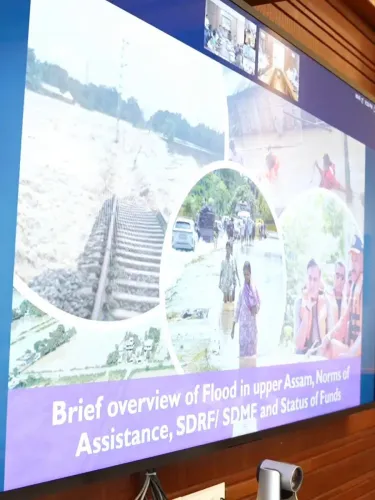
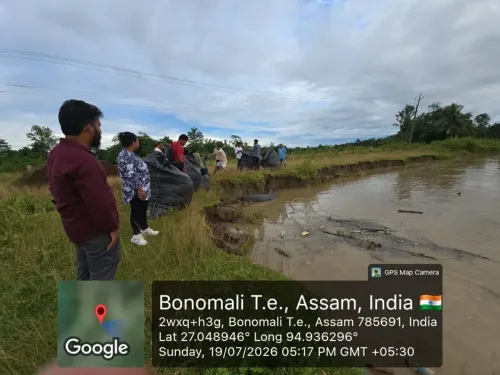
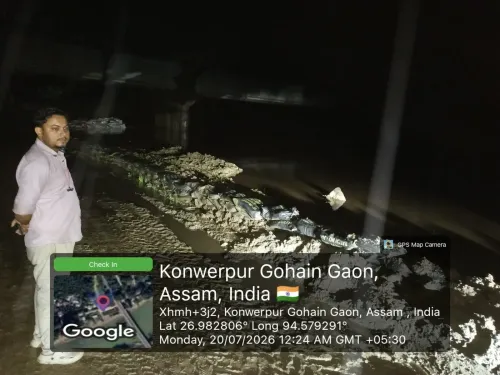
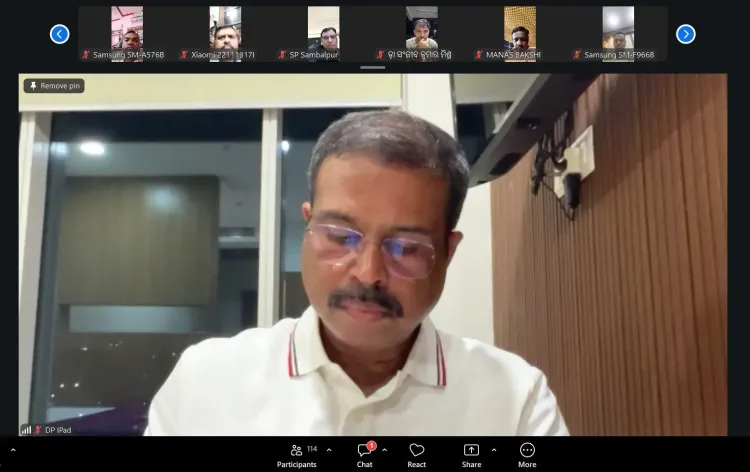
Monsoon rains have pushed Sambalpur to the edge — and Union Education Minister Dharmendra Pradhan stepped into the response on Thursday, 30 July 2026, joining a virtual coordination meeting to address the threat of flooding and waterlogging gripping the western Odisha district.
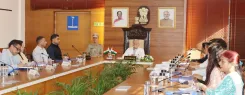
The virtual meeting brought together Odisha's Panchayati Raj, Rural Development and Drinking Water Minister Rabi Naik, district administration officials, local elected representatives, intellectuals, and civil society members. Pradhan described freeing Sambalpur residents from waterlogging as 'our priority', and praised the administration for responding with urgency.
Civil society proposals and the drinking-water warning
Pradhan said he welcomed all significant proposals put forward by local experts and civil society organisations toward resolving the crisis. His sharpest directive, however, was on drinking water: he advised that ensuring no family is deprived of clean drinking water during this period must be treated as a top concern, with steps taken on a 'war footing' to keep supply systems running.
The instruction signals a recognition that flood events in Odisha rarely stop at structural damage — contaminated or disrupted water supply quickly compounds a humanitarian emergency into a public health one.
Sambalpur's recurring monsoon vulnerability
Sambalpur, situated in western Odisha, sits in a zone historically susceptible to riverine flooding and urban waterlogging during the monsoon season. The district's geography means that heavy rainfall can rapidly translate into inundation of low-lying areas, straining drainage infrastructure and cutting off communities. Coordinated responses involving both state and central leadership have become a recurring feature of Odisha's monsoon management playbook.
Pradhan's participation — as a senior BJP leader from Odisha who remains closely engaged with the state despite holding a central cabinet portfolio — reflects the pattern of ruling-party coordination across administrative levels when local crises escalate.
The real test now is whether the proposals gathered from experts and civil society translate into emergency action on the ground before the next spell of rain arrives.
Point of View
Not just drainage, shows a more sophisticated disaster-response framing that anticipates secondary public health risks. The emphasis on civil society inputs also signals an attempt to build local legitimacy for the administrative response. Whether the meeting produces concrete, trackable outcomes will determine whether this is governance in action or governance as optics.
NationPress
31 Jul 2026
Frequently Asked Questions
Why is Sambalpur facing flooding in 2026?
Heavy monsoon rainfall has caused flood threats and severe waterlogging in Sambalpur, a western Odisha district historically vulnerable to riverine flooding during the rainy season.
What did Dharmendra Pradhan say about the Sambalpur flood?
Pradhan said freeing Sambalpur residents from waterlogging is the priority, praised the administration's response, welcomed expert and civil society proposals, and directed authorities to ensure clean drinking water supply on a war footing.
Who is Rabi Naik and what is his role in the Sambalpur flood response?
Rabi Naik is Odisha's Panchayati Raj, Rural Development and Drinking Water Minister and was part of the virtual coordination meeting on the Sambalpur flood and waterlogging crisis.
What does 'war footing' mean in the context of Sambalpur's water supply?
Pradhan used the phrase to urge authorities to treat drinking water continuity as an emergency, mobilising resources and action at maximum speed to ensure no family is cut off from clean water during the flood.
Is Dharmendra Pradhan involved in Odisha state governance?
Though Pradhan holds the central portfolio of Union Education Minister, he is a senior BJP leader from Odisha and regularly engages with state-level administrative and disaster-response matters.