Pradhan shares Sanskrit shloka on Guru under #ShikshaSubhashitam
Synopsis
Union Education Minister Dharmendra Pradhan posted a Sanskrit shloka honouring the Guru under his #ShikshaSubhashitam series on 14 July 2026, reinforcing NEP 2020's push to embed Indian knowledge traditions in formal education.
Key Takeaways
Dharmendra Pradhan posted a Sanskrit shloka on 14 July 2026 under the #ShikshaSubhashitam hashtag on X.
The verse translates as: 'There is no element or penance greater than the Guru; salutations to the Guru who imparts knowledge of truth.' The post aligns with NEP 2020 's mandate to revive the Guru-shishya parampara and integrate classical Indian texts into curricula.
The Ministry of Education launched Sanskrit promotion and PM eVIDYA programmes in 2021-22 to mainstream subhashitas in schools.
Curriculum frameworks incorporating Sanskrit subhashitas are expected to be rolled out in the coming academic year.
Union Education Minister Dharmendra Pradhan on Tuesday, 14 July 2026, shared a Sanskrit shloka venerating the Guru, posting it under his recurring #ShikshaSubhashitam series on X. The verse underscores the centrality of the teacher in India's ancient educational philosophy.
Context
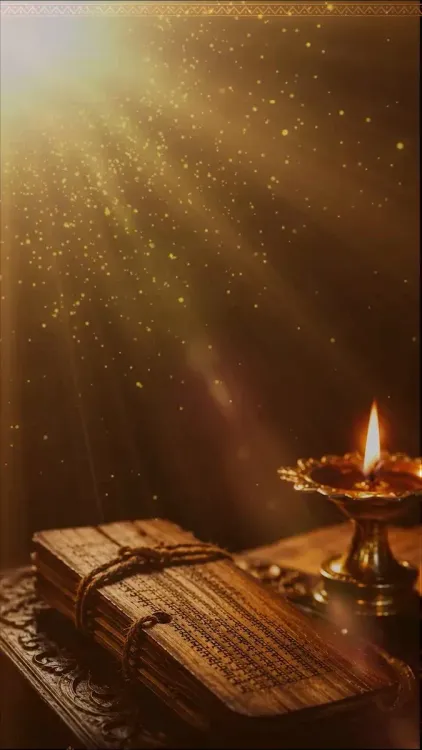
The shloka posted by the Minister reads: 'गुरु से बढ़कर कोई तत्व नहीं, गुरु से बढ़कर कोई तप नहीं। तत्व-ज्ञान से श्रेष्ठ कुछ नहीं, ऐसे गुरु को प्रणाम है।' In English: 'There is no element greater than the Guru, no penance greater than the Guru. Nothing is superior to the knowledge of truth — salutations to such a Guru.' The verse is a classical articulation of the Guru-shishya tradition that has guided Indian learning for millennia.
Pradhan periodically shares such subhashitas — pithy Sanskrit aphorisms — under the #ShikshaSubhashitam hashtag, using the platform to highlight ancient Indian educational wisdom in a contemporary public forum.
Policy Backdrop
The post is consistent with the philosophical underpinnings of the National Education Policy 2020 (NEP 2020), which explicitly calls for reviving the Guru-shishya parampara and integrating classical Indian knowledge systems into mainstream curricula. NEP 2020 mandates that schools and higher-education institutions incorporate Indian languages, Sanskrit texts, and value-education frameworks alongside modern subjects.
The Ministry of Education launched initiatives such as PM eVIDYA and Sanskrit promotion programmes in 2021-22 to popularise subhashitas and embed value education within the formal schooling system. The minister's social-media outreach on classical texts serves as a complementary public-communication layer to these institutional efforts.
Stakeholders and Impact
Teachers and students across India are the primary stakeholders of this messaging. For educators, the minister's consistent invocation of the Guru's primacy reinforces the professional dignity and cultural stature of the teaching community. For students and parents, it signals the government's intent to blend traditional values with modern learning outcomes as NEP 2020 rolls out across states.
The broader audience includes state education departments, curriculum designers, and Sanskrit scholars who look to the Ministry's public posture for cues on implementation priorities. Posts of this nature build a sustained cultural narrative around the NEP's 'Indian knowledge systems' pillar.
What's Next
Attention will now turn to the rollout of NEP-mandated value-education modules and any new curriculum frameworks that formally incorporate Sanskrit subhashitas in the upcoming academic year. The Ministry is expected to release updated guidelines for schools on integrating classical texts, and the minister's social-media series is widely seen as a signal of the direction that content development will take.
As the academic calendar progresses, stakeholders will watch whether the #ShikshaSubhashitam series is accompanied by concrete policy announcements — such as a national subhashita curriculum or teacher-training programmes centred on Indian knowledge traditions.
Point of View
The minister signals that teacher dignity and classical wisdom are not peripheral to the reform agenda but central to it. This mirrors a broader pattern across the government of using social media to normalise the integration of Indian knowledge systems into public discourse before translating them into curriculum mandates. The series effectively pre-conditions educators, parents, and policymakers to receive forthcoming NEP implementation guidelines as culturally rooted rather than bureaucratically imposed.
NationPress
12 Oct 2026
Frequently Asked Questions
What did Dharmendra Pradhan post on 14 July 2026?
Union Education Minister Dharmendra Pradhan posted a Sanskrit shloka on X honouring the Guru, under the hashtag #ShikshaSubhashitam, on 14 July 2026. The verse translates to: 'There is no element or penance greater than the Guru; salutations to the Guru who imparts the knowledge of truth.'
What is #ShikshaSubhashitam?
#ShikshaSubhashitam is a hashtag used by Education Minister Dharmendra Pradhan to share Sanskrit subhashitas — classical aphorisms on learning and wisdom — as part of the government's effort to promote Indian knowledge systems in line with NEP 2020.
How does this relate to NEP 2020?
NEP 2020 explicitly mandates the revival of the Guru-shishya parampara and integration of classical Indian knowledge systems into school and higher-education curricula. Pradhan's posts reinforce this policy direction through public cultural messaging.
What government schemes promote Sanskrit and subhashitas in schools?
The Ministry of Education launched PM eVIDYA and dedicated Sanskrit promotion initiatives in 2021-22 to popularise subhashitas and embed value education within formal schooling, in line with NEP 2020 objectives.
What should teachers and students expect from NEP 2020 on Indian knowledge systems?
NEP 2020 calls for value-education modules, Sanskrit language exposure, and classical text integration in curricula. Updated guidelines and teacher-training programmes centred on Indian knowledge traditions are expected to be rolled out in the coming academic year.