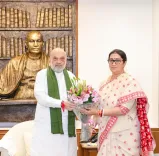
Pradhan Reviews J&K Education Progress in Meet with Sakina Itoo
Synopsis
Union Education Minister Dharmendra Pradhan and J&K Education Minister Sakina Itoo met on June 8, 2026, to review teacher training, institutional development, skilling, and enrolment progress in Jammu and Kashmir, reaffirming central-UT collaboration under NEP 2020 and Samagra Shiksha.
Key Takeaways
Dharmendra Pradhan and J&K Minister Sakina Itoo held a bilateral education review on June 8, 2026 .
The meeting covered Teacher Education Institutions (TEIs) , school and higher education progress, teacher training, and skilling.
Pradhan noted 'encouraging' positive trends in enrolment and educational outcomes in Jammu and Kashmir .
The review is anchored in post-2019 central-UT coordination frameworks, including NEP 2020 and the Samagra Shiksha scheme.
Both sides reaffirmed commitment to expanding access to quality education and improving employability for J&K youth.
Next steps to watch: updated J&K outcome reports and potential new central funding for teacher education in the UT.
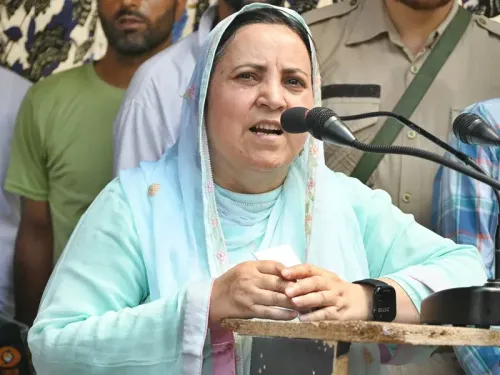
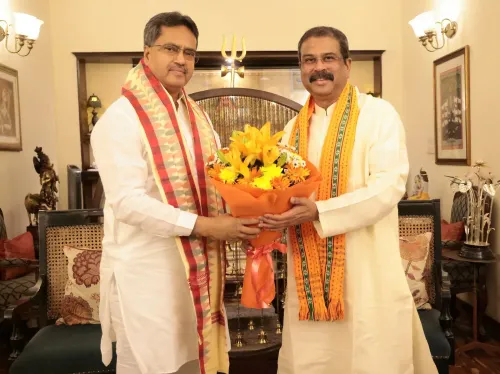
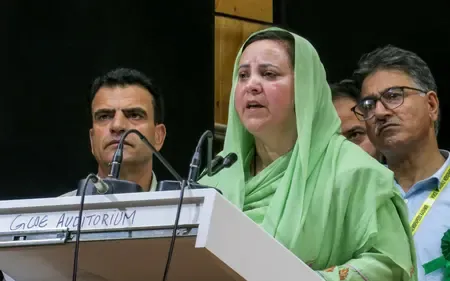
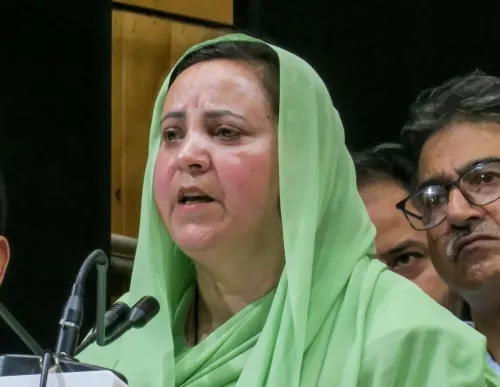
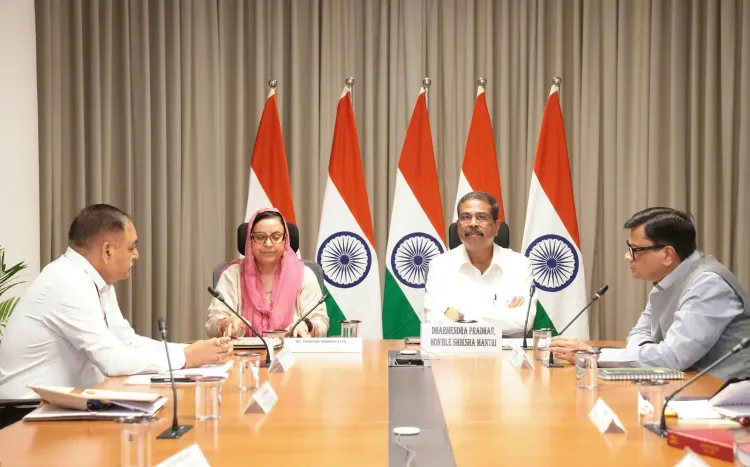
Union Education Minister Dharmendra Pradhan met with Jammu and Kashmir Education Minister Sakina Itoo on Monday, June 8, 2026, for a wide-ranging review of the Union Territory's education sector, covering teacher training, institutional development, skilling, and enrolment trends.
Context
The meeting brought together the central government's top education official and J&K's minister holding the Education, Health and Medical Education, and Social Welfare portfolios. Both sides reviewed the functioning of Teacher Education Institutions (TEIs) in the UT and assessed progress across school and higher education initiatives. Pradhan described the discussion as 'productive' and noted 'encouraging' positive trends in enrolment and educational outcomes.
Policy Backdrop
The meeting takes place against a policy landscape shaped significantly by the 2019 reorganisation of Jammu and Kashmir into a Union Territory, which enabled direct central coordination on key sectors including education. Since then, the J&K administration has adopted the National Education Policy (NEP) 2020, with implementation rolling out from 2021 onward, covering curriculum reform, institutional upgrades, and teacher training frameworks.
The centrally sponsored Samagra Shiksha scheme has been a primary instrument for improving school education infrastructure and teacher training in the UT. Central-UT collaboration under this framework has focused on closing access gaps that have historically affected the region, particularly in remote and border areas.
Stakeholders and Impact
The discussion directly concerns the students, teachers, and youth of Jammu and Kashmir. Pradhan's post highlighted a commitment to 'expanding access to quality education, enhancing employability and creating greater opportunities for the students and youth of Jammu and Kashmir.' Skilling was specifically cited alongside institutional development, signalling that the agenda extends beyond classroom enrolment to labour-market readiness.
Teacher educators and Teacher Education Institutions are a focal point: the health of TEIs determines the pipeline of trained teachers entering J&K's schools, making their review central to any long-term improvement in learning outcomes across the UT's roughly two dozen districts.
What's Next
Observers will watch for the release of updated J&K education outcome reports and any NEP 2020 implementation progress assessments that may follow from this review. New central funding allocations for teacher education institutions in the UT's budget cycle are also a likely downstream indicator of how far Monday's discussions translate into concrete commitments.
The meeting underscores a broader pattern: as J&K's governance structures mature post-reorganisation, sustained central-UT engagement on education is emerging as a key lever for social and economic integration, with employability and youth opportunity increasingly framed as strategic priorities alongside access and enrolment.
Point of View
Particularly in sectors like education that directly affect public perception of post-reorganisation dividends. By foregrounding enrolment gains and skilling alongside teacher training, Pradhan is framing education not merely as a welfare issue but as an employability and integration agenda — a politically significant shift in how the Centre narrates J&K's development story. The explicit mention of Teacher Education Institutions signals that the Centre is looking beyond headline enrolment numbers toward systemic capacity-building, which will be the harder and slower metric to move. How quickly these discussions translate into budget allocations and measurable outcome improvements will determine whether the collaboration retains credibility with J&K's students and youth.
NationPress
22 Oct 2026
Frequently Asked Questions
Why did Dharmendra Pradhan meet Sakina Itoo?
Pradhan met J&K Minister Sakina Itoo on June 8, 2026, to review the progress of Teacher Education Institutions, school and higher education initiatives, teacher training, skilling, and enrolment trends in Jammu and Kashmir.
What is the National Education Policy 2020 and how does it apply to J&K?
NEP 2020 is India's national framework for overhauling school and higher education. Jammu and Kashmir adopted it from 2021 onward following the UT's reorganisation in 2019, covering curriculum reform, institutional upgrades, and teacher training.
What is Samagra Shiksha and what role does it play in J&K?
Samagra Shiksha is a centrally sponsored scheme that funds school education infrastructure and teacher training. It has been a primary instrument for improving education access and quality in Jammu and Kashmir since the UT's reorganisation.
What are Teacher Education Institutions and why are they important for J&K?
Teacher Education Institutions are colleges and centres that train prospective teachers. Their quality directly determines the pipeline of trained educators entering J&K's schools, making their performance central to improving long-term learning outcomes across the UT.