Pradhan, Tripura CM Review NEP 2020 and Skill Push
Synopsis
Union Education Minister Dharmendra Pradhan and Tripura CM Manik Saha reviewed NEP 2020 rollout, Samagra Shiksha progress, and plans to bring AI and drone technology training to state degree colleges through an IIT Kharagpur collaboration, advancing the Viksit Bharat 2047 vision.
Key Takeaways
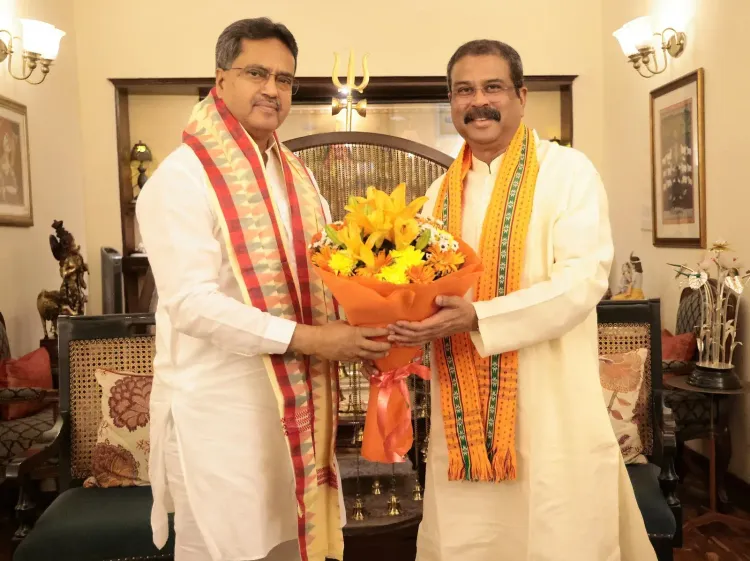
Union Education Minister Dharmendra Pradhan held discussions with Tripura CM Dr Manik Saha on May 27, 2026 on education development in the state.
The meeting reviewed NEP 2020 implementation in school and higher education institutions across Tripura .
Progress under Samagra Shiksha , promotion of Indian languages, and teacher training were key agenda items.
A collaboration with IIT Kharagpur was discussed to introduce AI and drone technology skill education in government degree colleges.
The initiatives are framed within the Viksit Bharat 2047 vision of building a developed India through education and skilling.
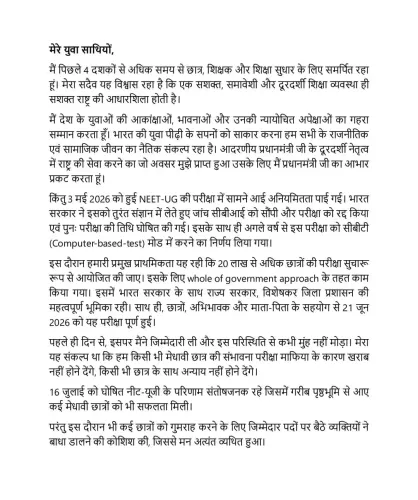
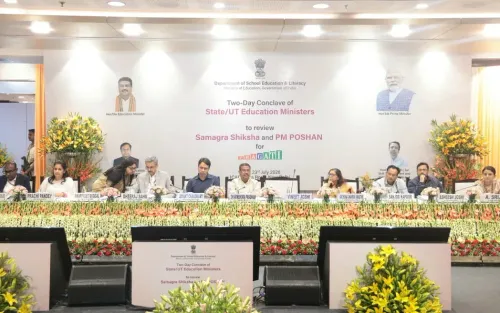
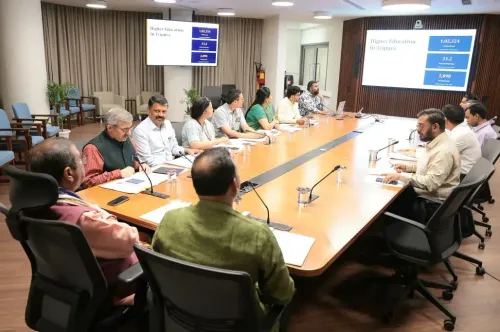
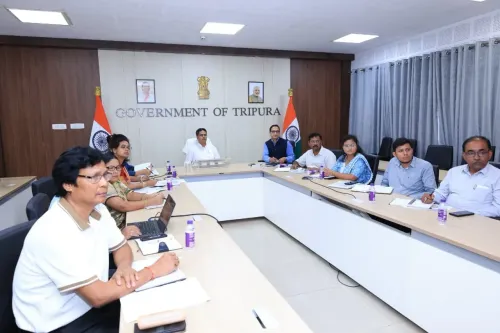
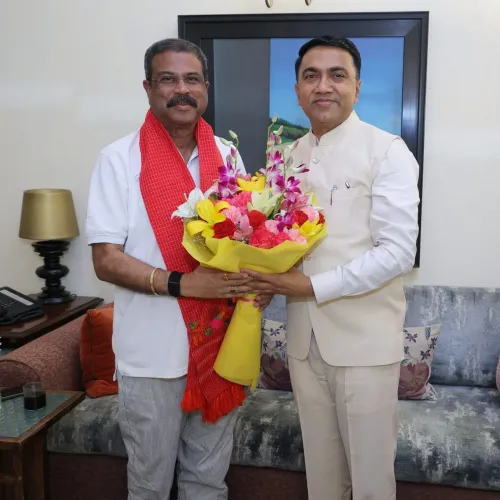
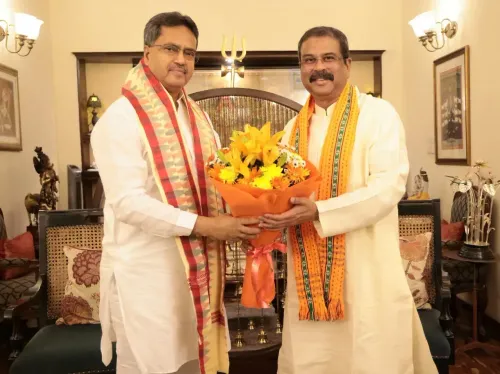
Union Education Minister Dharmendra Pradhan met with Tripura Chief Minister Dr Manik Saha on Wednesday, May 27, 2026, for a wide-ranging discussion on advancing educational development in the northeastern state, covering the rollout of the National Education Policy 2020, school and higher education progress, and the integration of emerging technologies into degree colleges.
Context
Pradhan described the interaction as 'engaging', noting that the two leaders reviewed implementation of NEP 2020 across both school and higher education institutions in Tripura. The discussions also covered progress under Samagra Shiksha, the promotion of Indian languages, and teacher training — three pillars central to the Union government's education reform agenda since 2020.
Tripura, a northeastern state that has been working to improve access and quality in education, becomes part of a broader pattern of state-level engagement the Union Education Ministry has been conducting to ensure uniform adoption of the 2020 policy framework across the country.
Policy Backdrop
The National Education Policy 2020 was approved by the Union Cabinet in July 2020, replacing the previous policy from 1986. It mandates state-level implementation frameworks emphasising flexibility, multidisciplinary learning, and the use of Indian languages as mediums of instruction at foundational levels.
Samagra Shiksha, launched in 2018-19, is a centrally sponsored integrated scheme that merged three earlier programmes — Sarva Shiksha Abhiyan (SSA), Rashtriya Madhyamik Shiksha Abhiyan (RMSA), and teacher education — into a unified framework covering pre-school to Class 12. Progress under this scheme in Tripura was among the specific items reviewed in the meeting.
The discussions also touched on the Viksit Bharat 2047 vision, outlined by the Prime Minister in 2023, which positions education and skilling as core pillars for transforming India into a developed nation by the centenary of its independence.
IIT Kharagpur Collaboration and Emerging Technologies
A notable element of the discussions was a proposed collaboration with IIT Kharagpur — one of India's premier technical institutions, established in 1951 — to promote skill education in Tripura's government degree colleges. The focus areas identified include artificial intelligence (AI) and drone technologies, reflecting the Union government's push to embed future-ready technical skills within the state higher education system.
This approach mirrors a wider pattern where established IITs are being leveraged to deliver AI, drone, and vocational training modules at state-level colleges, particularly in regions where access to cutting-edge technical education has historically been limited. Such collaborations are seen as a way to bridge the gap between premier institutions and students in smaller states and union territories.
Stakeholders and What's Next
The primary beneficiaries of these initiatives are Tripura's students in government degree colleges, school teachers undergoing training, and faculty at higher education institutions who stand to gain from curriculum upgrades aligned with NEP 2020. The promotion of Indian languages is also expected to benefit students from non-English-medium backgrounds.
The Union Education Ministry is expected to take up state-level NEP implementation progress in upcoming review meetings. Observers will watch whether the IIT Kharagpur engagement with Tripura translates into a formal memorandum of understanding, and whether similar arrangements are extended to other northeastern states as the ministry scales up its technology-in-education drive under the Viksit Bharat 2047 framework.
Point of View
State-by-state campaign by the Union Education Ministry to lock in NEP 2020 adoption before the policy's implementation deadlines crystallise. Bringing IIT Kharagpur into Tripura's degree college ecosystem signals that the ministry is using institutional prestige as a lever to raise quality in states where education infrastructure has lagged. The emphasis on AI and drone technologies is not incidental — it reflects the government's calculation that northeastern states, often positioned as gateways to Southeast Asia, need a technically skilled workforce to anchor the Act East Policy's economic ambitions. If the IIT Kharagpur model proves replicable, it could become a template for other northeastern and aspirational states ahead of the next Union Budget's education allocations.
NationPress
19 Sept 2026
Frequently Asked Questions
What did Dharmendra Pradhan discuss with Tripura CM Manik Saha?
They discussed advancing educational development in Tripura, including NEP 2020 implementation in schools and colleges, Samagra Shiksha progress, Indian language promotion, teacher training, and a proposed collaboration with IIT Kharagpur for AI and drone skill education.
What is NEP 2020 and how does it affect Tripura?
The National Education Policy 2020, approved by the Union Cabinet in July 2020, replaces the 1986 policy and mandates state-level frameworks for flexible, multidisciplinary, and Indian-language-based education. Tripura is in the process of implementing it across its school and higher education institutions.
What is Samagra Shiksha and what was reviewed in the meeting?
Samagra Shiksha is a centrally sponsored integrated school education scheme launched in 2018-19, covering pre-school to Class 12. The meeting reviewed its implementation progress specifically in Tripura.
How is IIT Kharagpur involved in Tripura's education plans?
A collaboration with IIT Kharagpur was discussed to introduce skill education focused on AI and drone technologies in government degree colleges in Tripura, as part of efforts to equip students with future-ready skills.
What is Viksit Bharat 2047 and how does education fit into it?
Viksit Bharat 2047 is the Prime Minister's vision, outlined in 2023, for India to become a developed nation by the centenary of its independence. Education and skilling are identified as core pillars of this vision, which the Tripura discussions directly advance.