CM Sai Shares Shah's Naxal-Free Claim, Eyes Tourism Boom
Synopsis
On Chhattisgarh's 26th Rajyotsav, CM Vishnu Deo Sai quoted Home Minister Amit Shah declaring the state Naxal-free and forecasting a top-3 national tourism ranking, spotlighting Bastar's waterfalls, Kanger Valley, and the iconic Bastar Dussehra.
Key Takeaways
Home Minister Amit Shah declared Chhattisgarh fully free of Naxal presence , a claim amplified by CM Vishnu Deo Sai on the state's 26th Rajyotsav, 3 November 2026 .
Shah projected Chhattisgarh would rank 1st to 3rd nationally in tourism in the near future.
Key attractions cited: Chitrakot Waterfall , Tirathgarh Waterfall , Kanger Valley National Park , Maa Danteshwari temple (Dantewada) , and Bastar Dussehra .
Chhattisgarh was formed on 1 November 2000 ; its southern Bastar region was long the heart of the 'Red Corridor' insurgency.
A documented decline in Left Wing Extremism incidents has been recorded in recent years, though independent verification of a complete Naxal-free status is not available.
The post pairs a security milestone narrative with a development and tourism pivot — a signature BJP governance frame for central India's tribal belt.
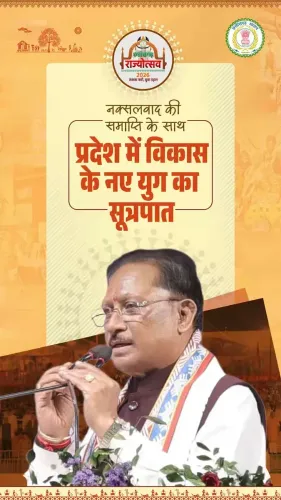
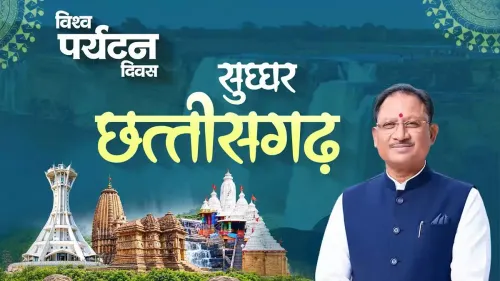
A declaration that reshapes how India sees its most restive heartland: Union Home Minister Amit Shah has proclaimed Chhattisgarh fully free of Naxal presence, and Chief Minister Vishnu Deo Sai is amplifying that message with a bold tourism vision for the state — on Chhattisgarh Rajyotsav 2026, the day the state marks its founding.
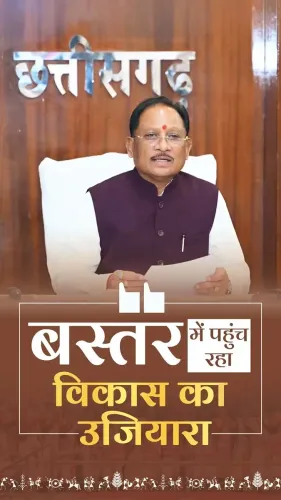
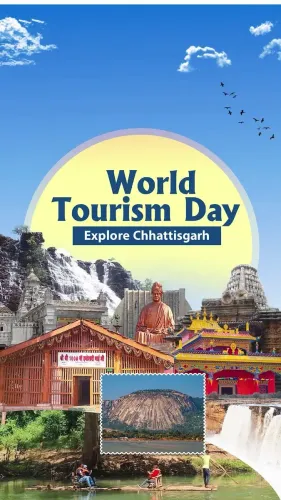
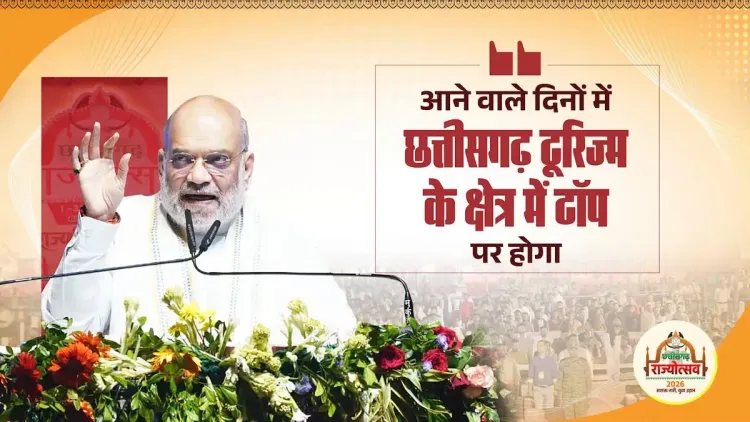
Posting on Tuesday, 3 November 2026, CM Sai quoted Shah directly: 'Chhattisgarh ab Naxalmukht ho gaya hai' — 'Chhattisgarh has now become Naxal-free.' The Home Minister went further, predicting the state would rank 'number 1 to 3 in tourism' in the coming days, citing Chitrakot Waterfall, Tirathgarh Waterfall, Kanger Valley National Park, Maa Danteshwari temple in Dantewada, and the world-famous Bastar Dussehra as magnets capable of drawing global travellers.A State Born Amid Conflict, Now Claimed Liberated
Chhattisgarh was carved out of Madhya Pradesh on 1 November 2000 — its 26th foundation day falls today. From its very birth, the state's southern Bastar region was synonymous with Left Wing Extremism. The so-called 'Red Corridor' stretched through its forested districts, making them among the most dangerous in the country for both security forces and civilians. Decades of combined security operations and development pushes have been the central government's stated playbook — and Shah's declaration, quoted by the Chief Minister, positions 2026 as the year that playbook finally closed the chapter. It is a politically charged milestone. The BJP governments at the Centre and in Raipur have made Naxal elimination a cornerstone of their governance narrative in Chhattisgarh. To mark that achievement on Rajyotsav — the state's own birthday — is a deliberate, resonant choice.Bastar's Waterfalls and Dussehra: The Tourism Pitch
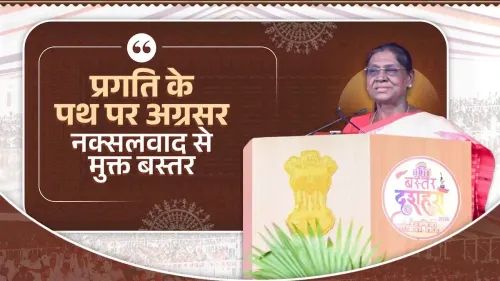
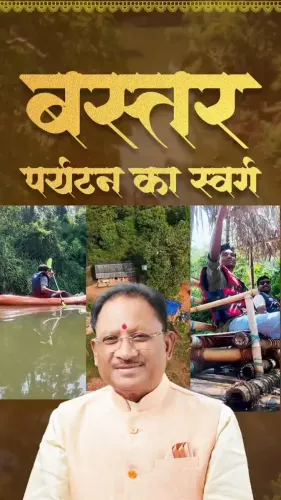
Shah's tourism forecast rests on geography that is genuinely spectacular. Chitrakot Waterfall, often called the 'Niagara of India,' and Tirathgarh Waterfall both sit within or near Kanger Valley National Park — a biodiversity reserve in Bastar that harbours rare flora, cave systems, and river gorges. Maa Danteshwari temple in Dantewada is one of the 52 Shakti Peethas, drawing pilgrims from across India. And Bastar Dussehra is no ordinary festival — running for roughly 75 days, it is considered one of the longest-running tribal festivals on the planet, rooted in Gondwana traditions that predate the Mughal era. The infrastructure to convert that raw appeal into ranked tourism, however, still needs to materialise. Connectivity, hospitality capacity, and sustained peace on the ground will determine whether the ambition becomes a statistic.Security Claim That Carries Political Weight
The assertion of a 'Naxal-free' Chhattisgarh is significant — and contested territory. Security analysts and opposition voices have historically cautioned against premature declarations, pointing to the cyclical nature of insurgent movements. The research available does not independently verify a complete end to Naxal activity in the state as of November 2026. What is verifiable is a sharp and documented decline in Left Wing Extremism incidents across the region over recent years, with security forces recording major operational successes in Bastar and adjoining districts. For CM Sai, carrying Shah's words into public discourse on the state's founding day is a calculated statement: security has been won, and now development — anchored in tourism — is the next front.If the waterfalls of Bastar become as recognisable to the global traveller as the ghats of Varanasi, it will be the ultimate proof of point — peace converted into prosperity.
Point of View
Giving the BJP a powerful symbolic frame heading into future electoral cycles in Chhattisgarh. The pivot to tourism as the next developmental horizon for Bastar reflects a broader Centre-state strategy of converting erstwhile conflict zones into economic assets, legitimising years of costly security operations with a visible peace dividend. However, prematurely conclusive language around insurgency carries political risk: a single major incident could unravel the narrative. The real test will be whether tourism infrastructure investment follows the rhetoric — and whether visitor numbers in Bastar's tribal heartland actually trend upward in the coming years.
NationPress
3 Nov 2026
Frequently Asked Questions
Has Chhattisgarh really become Naxal-free in 2026?
Home Minister Amit Shah declared Chhattisgarh Naxal-free on the occasion of Rajyotsav 2026, and CM Vishnu Deo Sai shared this claim publicly. There has been a significant documented decline in Left Wing Extremism incidents in the state over recent years, but independent public records confirming a complete end to all Naxal activity as of November 2026 are not available.
What is Bastar Dussehra and why is it famous?
Bastar Dussehra is a tribal festival held in the Bastar region of Chhattisgarh, considered one of the longest-running festivals in the world at roughly 75 days. Rooted in Gondwana traditions, it predates many mainstream Hindu festival observances and draws pilgrims and tourists from across India and abroad.
Where is Chitrakot Waterfall located?
Chitrakot Waterfall is located in the Bastar district of Chhattisgarh on the Indravati River. Often called the 'Niagara of India,' it is one of the widest waterfalls in the country and falls near Kanger Valley National Park.
What is Chhattisgarh Rajyotsav and when is it celebrated?
Chhattisgarh Rajyotsav is the state's foundation day, celebrated every year on 1 November to mark the creation of Chhattisgarh as a separate state from Madhya Pradesh on 1 November 2000. The 2026 edition marks the state's 26th anniversary.
What is Kanger Valley National Park known for?
Kanger Valley National Park in Bastar, Chhattisgarh, is a biodiversity reserve known for its river gorges, cave systems like Kotumsar Cave, and proximity to Chitrakot and Tirathgarh waterfalls. It is one of the densest national parks in India in terms of biodiversity per square kilometre.