Pradhan Reviews Higher Education Roadmap for Tripura
Synopsis
Union Education Minister Dharmendra Pradhan met Tripura's Higher Education Minister Kishor Barman on 9 June 2026 to review a roadmap for strengthening higher education in the state, with talks covering NEP 2020 implementation, skill development, and Tripura's agriculture and horticulture sectors under the Viksit Bharat 2047 framework.
Key Takeaways
Dharmendra Pradhan and Tripura Higher Education Minister Kishor Barman met on 9 June 2026 to review a higher education roadmap for the state.
Discussions focused on improving the quality and reach of higher education aligned with NEP 2020 objectives.
Skill development and employability linked to Tripura's economy — particularly agriculture, horticulture, and tribal studies — were central themes.
Both sides committed to fostering entrepreneurship and building a 'future-ready ecosystem' under the Viksit Bharat 2047 vision.
The meeting continues the Centre's pattern of bilateral state-level consultations to operationalise NEP 2020 across India, with particular focus on northeastern states.
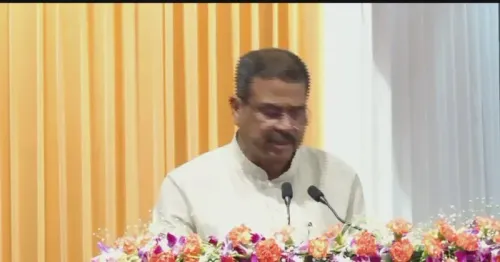
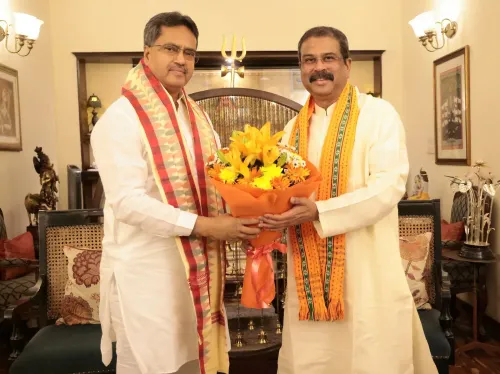
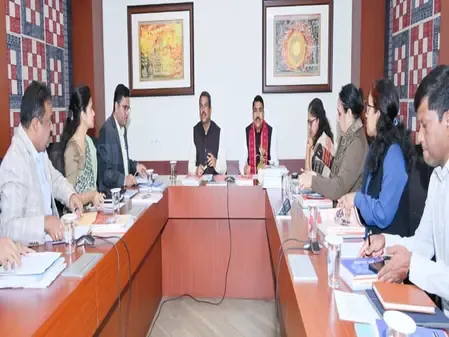
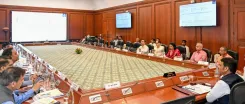
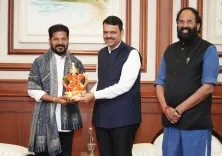
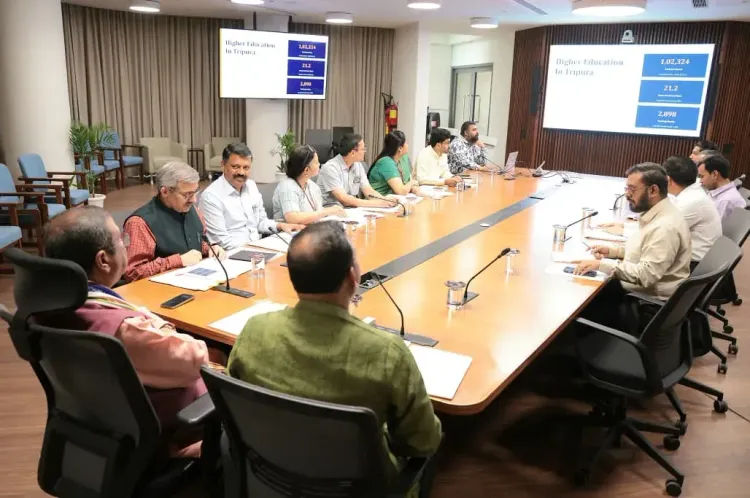
Union Education Minister Dharmendra Pradhan met with Tripura's Higher Education Minister Kishor Barman on Tuesday, 9 June 2026 to review a roadmap for strengthening higher education in the northeastern state, with discussions centred on quality, reach, skill development, and alignment with the National Education Policy (NEP) 2020.
Context
The meeting brought together the Union government and Tripura's state administration to chart a shared course for higher education reform. Pradhan stated that the two sides 'discussed ways to improve the quality and reach of higher education in the state,' with a specific focus on creating opportunities for Tripura's youth through skill development and employability tied to the state's economic needs.
Tripura is a northeastern state with a significant tribal population and an economy anchored in agriculture and horticulture. The minister noted that the state has 'immense potential' in these sectors as well as in tribal studies, and that the Centre and state explored ways to leverage these strengths through higher education institutions.
Policy Backdrop
NEP 2020, approved by the Union Cabinet in 2020, replaced the 1986 National Education Policy and introduced sweeping mandates for multidisciplinary learning, vocational skill integration, and the embedding of regional and local knowledge systems into curricula. Its implementation has proceeded largely through state-level roadmaps and bilateral Centre-state consultations of precisely the kind held on Tuesday.
An earlier central scheme, the Rashtriya Uchchatar Shiksha Abhiyan (RUSA), launched in 2013, has been a primary vehicle for channelling central funds to state universities and colleges to upgrade infrastructure and academic quality. The current push under NEP 2020 builds on that foundation, adding emphasis on entrepreneurship and employability outcomes.
The broader Viksit Bharat 2047 vision — the government's framework for India becoming a developed nation by the centenary of independence — treats higher-education institutions as engines of economic transformation, a theme Pradhan explicitly invoked, saying the Centre and state 'will continue working to foster entrepreneurship and build a future-ready ecosystem that supports Tripura's journey towards Viksit Bharat 2047.'
Stakeholders and Impact
The primary beneficiaries of any resulting policy action would be Tripura's youth, including a substantial population of tribal students whose local knowledge systems — particularly in agriculture, horticulture, and indigenous studies — are envisioned as assets to be formally integrated into university curricula under NEP 2020 guidelines.
State universities and colleges in Tripura stand to gain from any follow-on central funding allocations, whether through RUSA or dedicated NEP implementation grants. Alignment of course offerings with sectors such as agriculture and horticulture could also create more direct pathways from campus to employment within the state's economy, potentially reducing out-migration of educated youth.
What's Next
The meeting produced a reviewed roadmap, though specific contents and firm commitments from the 9 June 2026 discussions have not yet been placed on the public record. Observers will watch for follow-up announcements on new skill development centres, revised curricula at Tripura's universities, or fresh central funding allocations tied to NEP implementation in the state.
If the Centre-state partnership translates into concrete institutional changes — new courses in agri-technology or tribal studies, expanded vocational tracks, or dedicated entrepreneurship cells — Tripura could serve as a model for how northeastern states with distinct economic profiles can operationalise NEP 2020 in locally relevant ways.
Point of View
Particularly in the Northeast, where tribal demography and niche economies demand curricula that national templates alone cannot address. By publicly anchoring the discussion in Viksit Bharat 2047, Pradhan is also signalling that higher education reform is being positioned as a long-term electoral and governance deliverable, not just a policy document. The explicit mention of agriculture, horticulture, and tribal studies suggests the Centre is moving beyond generic skill-development rhetoric toward sector-linked programming — a shift that, if followed through with funding, could meaningfully differentiate outcomes in smaller states like Tripura. The real test will be whether the reviewed roadmap produces verifiable institutional changes before the next state election cycle.
NationPress
26 Oct 2026
Frequently Asked Questions
What did Dharmendra Pradhan discuss with Tripura's education minister?
Pradhan met Tripura's Higher Education Minister Kishor Barman on 9 June 2026 to review a roadmap for strengthening higher education in the state, covering quality improvement, skill development, employability, and alignment with NEP 2020 and the Viksit Bharat 2047 vision.
What is NEP 2020 and how does it apply to Tripura?
The National Education Policy 2020 replaced India's 1986 education policy and mandates multidisciplinary learning, vocational skill integration, and the use of regional knowledge systems. For Tripura, this means linking university curricula to the state's strengths in agriculture, horticulture, and tribal studies.
What is Viksit Bharat 2047?
Viksit Bharat 2047 is the Indian government's vision framework for making India a developed nation by 2047, the centenary of independence. Higher education institutions are seen as key vehicles for entrepreneurship and economic transformation under this framework.
Who is Kishor Barman?
Kishor Barman is a Tripura state minister holding the portfolios of Higher Education, Panchayat, and General Administration (Political) in the BJP-led state government.
What sectors did the Centre and Tripura identify as priorities for higher education?
Agriculture, horticulture, and tribal studies were identified as areas of 'immense potential' for Tripura, with both sides exploring how higher education institutions can leverage these strengths to improve youth employability and entrepreneurship in the state.