Pradhan Meets Nagaland Governor, Discusses NEP2020 Rollout
Synopsis
Union Education Minister Dharmendra Pradhan met Nagaland Governor N. Kishore Yadav on 26 May 2026, discussing NEP2020 rollout and efforts to build an inclusive, future-oriented education ecosystem for the state's youth. The meeting reflects the Centre's sustained focus on northeastern states in its national education reform drive.
Key Takeaways
Union Education Minister Dharmendra Pradhan met Nagaland Governor N.
Kishore Yadav on 26 May 2026 .
The discussion focused on strengthening Nagaland's education ecosystem and advancing NEP2020 goals.
NEP2020 , approved in July 2020 , replaced the 1986 national education policy with a focus on equity, multidisciplinary learning and vocational training.
The Northeast has received special attention under schemes like Samagra Shiksha for teacher training and digital infrastructure.
The meeting is part of the Ministry's broader pattern of state-level consultations to localise NEP2020 implementation.
Follow-up action on resource allocation and teacher training programmes for Nagaland will be closely watched.
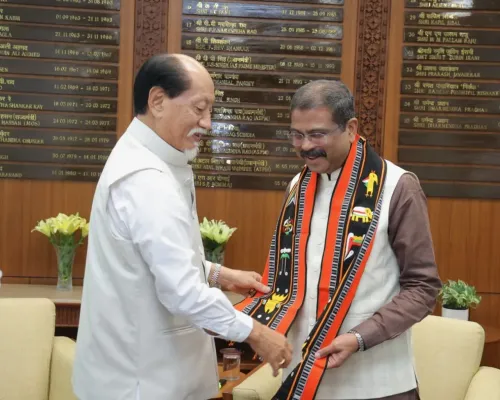
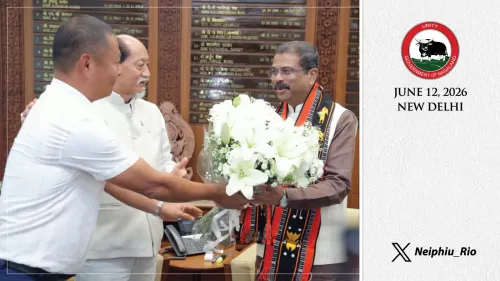
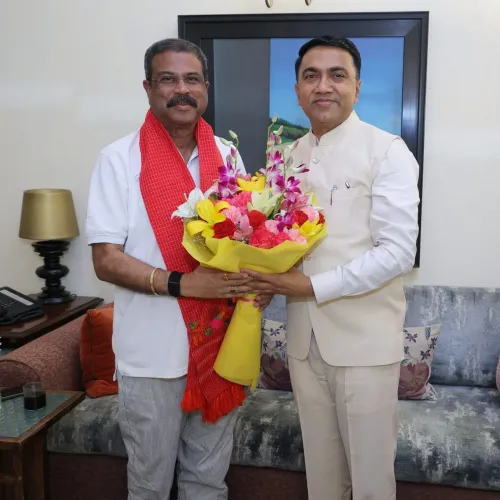
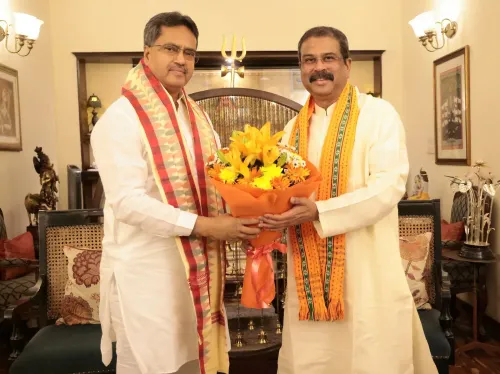
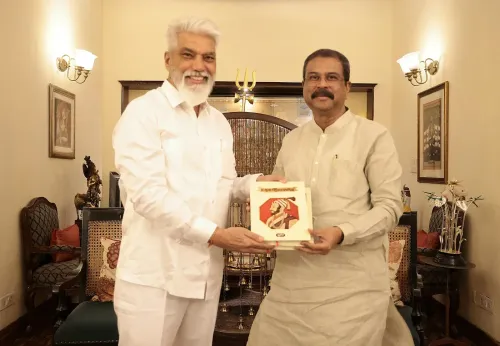
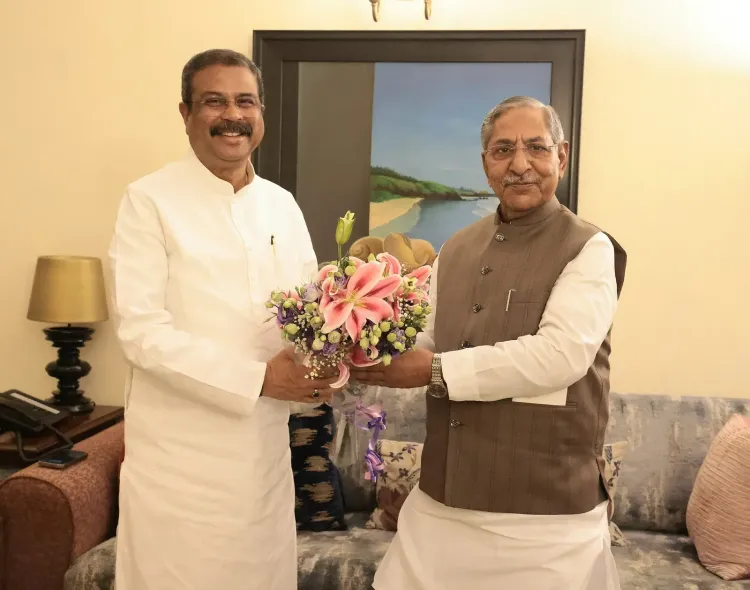
Union Education Minister Dharmendra Pradhan met Nagaland Governor Shri N. Kishore Yadav on Tuesday, 26 May 2026, for a discussion focused on strengthening the state's education ecosystem and advancing the implementation of the National Education Policy 2020 (NEP2020).
Context
Pradhan described the meeting as 'meaningful', with both sides discussing how NEP2020's vision of inclusive and future-oriented learning could be translated into greater opportunities for Nagaland's youth. The minister shared the update on his official X account, noting that the conversation centred on creating a stronger education ecosystem in the northeastern state.
The meeting is part of a sustained pattern of outreach by the Union Ministry of Education, which has engaged state governors and chief ministers across the country — with particular attention to the Northeast — to align local education frameworks with the national policy overhaul.
Policy Backdrop
NEP2020 was approved by the Union Cabinet in July 2020, replacing the previous national education policy that had been in place since 1986. The policy emphasises multidisciplinary learning, vocational training, mother-tongue-based instruction at foundational levels, and equity in access to quality education.
For northeastern states like Nagaland, implementation has involved additional support through centrally sponsored schemes such as Samagra Shiksha, which channels funding into teacher training, digital infrastructure, and school development. The region has historically faced challenges around literacy rates and educational infrastructure compared to national averages, making central-state coordination especially significant.
Stakeholders and Impact
The primary beneficiaries of a strengthened education push in Nagaland are the state's school and college-going population, along with aspiring youth seeking vocational and higher education pathways. Improved alignment with NEP2020 could mean expanded access to digital learning tools, reformed curricula, and better-trained teachers in a state where such resources have been unevenly distributed.
State-level administrators, school principals, and teacher training institutions are among the key institutional stakeholders who would be responsible for translating any policy commitments into ground-level change. The role of the Governor's office as a constitutional head of state universities also makes such ministerial consultations directly relevant to higher education governance in Nagaland.
What's Next
The Ministry of Education is expected to continue its series of consultations with northeastern states as the NEP2020 implementation deadline milestones approach. Observers will watch for follow-up action — including possible allocation of additional resources under Samagra Shiksha or targeted teacher-training programmes — that may emerge from this and similar engagements.
With the Northeast occupying a strategic focus in the Centre's education outreach, meetings such as this one with the Nagaland Governor signal that the ministry is treating the region not as a peripheral concern but as a priority zone for inclusive education reform.
Point of View
Reflecting both the region's educational development gaps and its political significance for the BJP-led Centre. By framing the conversation around 'inclusive and future-oriented learning', the minister is signalling that NEP2020 is being positioned not merely as a curricular reform but as a broader social mobility instrument. How quickly these consultations translate into measurable outcomes on the ground in states like Nagaland will be the real test of this engagement strategy.
NationPress
14 Sept 2026
Frequently Asked Questions
What did Dharmendra Pradhan discuss with the Nagaland Governor?
Pradhan met Nagaland Governor N. Kishore Yadav on 26 May 2026 to discuss strengthening the state's education ecosystem and advancing the implementation of NEP2020 to create opportunities for Nagaland's youth through inclusive and future-oriented learning.
What is NEP2020 and how does it affect Nagaland?
NEP2020, or the National Education Policy 2020, was approved by the Union Cabinet in July 2020 to replace the 1986 policy. It emphasises multidisciplinary learning, vocational training and equity. For Nagaland, it means additional central support for teacher training, digital infrastructure and school development under schemes like Samagra Shiksha.
Why is the Union Education Minister meeting state governors?
The Ministry of Education has been holding meetings with state governors and chief ministers across India to localise NEP2020 implementation. Governors are particularly relevant in this context as they serve as chancellors of state universities, giving them a direct role in higher education governance.
What is Samagra Shiksha and does it cover Nagaland?
Samagra Shiksha is a centrally sponsored scheme that integrates school education from pre-primary to Class 12, funding teacher training, digital infrastructure and school development. Northeastern states including Nagaland receive support under this scheme as part of the Centre's focus on educational equity in the region.
What should Nagaland students expect from NEP2020 reforms?
Nagaland students can expect reforms focused on mother-tongue-based foundational learning, expanded vocational training options, digital learning tools and a more flexible, multidisciplinary curriculum — all aimed at improving access to quality education and employment opportunities for northeastern youth.