CM Sai Shares Amit Shah's Tribute to Bastar Culture on CGRajyotsav
Synopsis
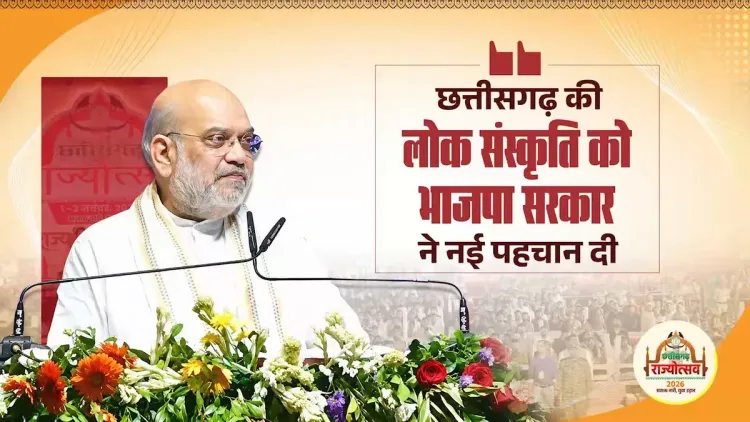
On Chhattisgarh Rajyotsav 2026, CM Vishnu Deo Sai amplified Amit Shah's tribute crediting the BJP state government with giving the unique 75-day Bastar Dussehra a new identity and projecting the state's tribal folk culture to the world.
Key Takeaways
CM Vishnu Deo Sai posted Home Minister Amit Shah 's quote on Chhattisgarh Rajyotsav, 3 November 2026 .
Shah credited the Sai government with giving Bastar Dussehra — India's longest festival at 75 days — a new national and global identity.
The quote invoked Guru Ghasidas and Guru Nanak Dev Ji as the spiritual anchors of Chhattisgarh's values of service, equality, and truth.
State programmes Bastar Pandum and Bastar Olympic were named as tools for preserving and promoting local folk culture.
Chhattisgarh was formed from Madhya Pradesh on 1 November 2000 , and each Rajyotsav serves as a platform for the ruling party's governance narrative.
On Chhattisgarh Rajyotsav 2026, Chhattisgarh Chief Minister Vishnu Deo Sai shared words that reframed a regional festival as a civilisational statement — a quote from Union Home Minister Amit Shah linking the values of Guru Ghasidas and Guru Nanak Dev Ji directly to the living culture of Bastar.
Sharing the quote on 3 November 2026, CM Sai amplified Shah's assertion that 'seva, samanta aur sacchai' — service, equality, and truth — are not merely spiritual ideals but the defining sanskar (ethos) of Chhattisgarh itself. It was a deliberate framing on the state's foundation day, tying spiritual heritage to governance identity.
Amit Shah's words on Bastar Dussehra and its 75-day tradition
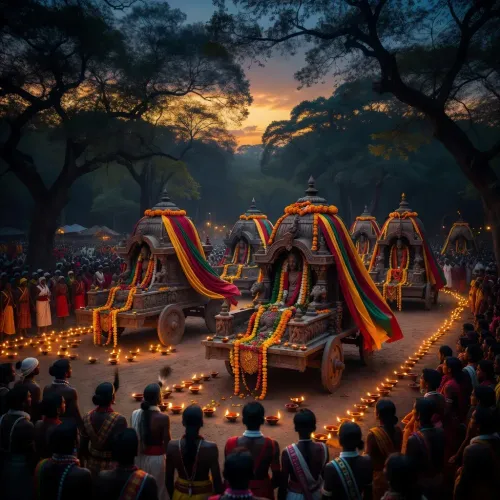
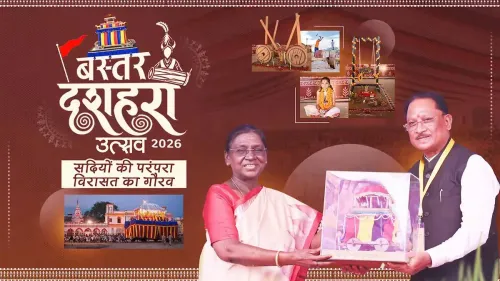
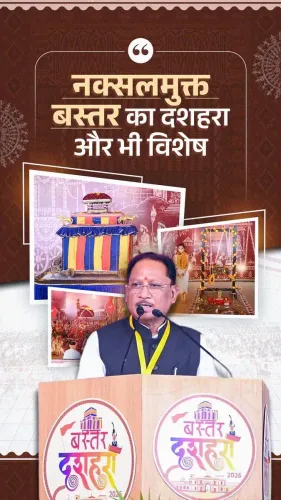
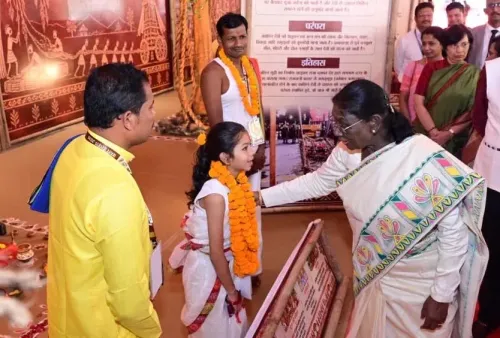
The quote attributed to Amit Shah specifically called out the Bastar Dussehra — a 75-day festival unique in India for its duration and its roots in tribal custom rather than the mainstream Ramlila tradition. Shah credited the Vishnu Deo Sai government with giving this ancient tradition 'a new identity,' and with carrying the folk culture of the region 'not just across India but across the entire world.'
Shah also named two state-level initiatives — Bastar Pandum and Bastar Olympic — as instruments through which the BJP government in Chhattisgarh has sought to keep local folk culture alive and visible. These programmes, as described in the quote, position tribal art and sport as both heritage preservation and soft-power projection.
Guru Ghasidas, Guru Nanak, and the state's spiritual identity
Guru Ghasidas, the 18th-century Chhattisgarhi saint who founded the Satnami movement, preached equality and rejection of caste discrimination — values that resonate deeply in the state's predominantly tribal and Dalit social fabric. Invoking him alongside Guru Nanak Dev Ji, the founder of Sikhism and an equally towering symbol of universal equality, was a pointed choice on Rajyotsav day.
The pairing signals a cross-community, pan-spiritual claim to Chhattisgarh's cultural foundations — one the ruling party clearly sees as central to its governance narrative in a state it won decisively in 2023.
Rajyotsav as a platform for cultural statecraft
Chhattisgarh was carved out of Madhya Pradesh on 1 November 2000, making every Rajyotsav both a birthday and a reckoning with the state's distinctiveness. For a government that came to power pledging to honour tribal identity, the anniversary is more than ceremony — it is a yearly audit of that promise.
By amplifying a Union minister's endorsement of its cultural programmes on this day, CM Sai's post stitches together federal backing, local heritage, and electoral identity into a single message. The Bastar Dussehra and its global aspirations are no longer just a festival — they are a brand, and Rajyotsav 2026 is the launch stage.
If the BJP's cultural bet in Chhattisgarh holds, Bastar may soon carry the state's name as far as any industrial corridor ever could.
Point of View
CM Sai simultaneously signals Centre-state alignment and reinforces the BJP's tribal-identity politics ahead of any future electoral cycle in Chhattisgarh. Invoking Guru Ghasidas alongside Guru Nanak is a deliberate cross-community outreach — Satnamis and Sikhs both hold significant social weight in the state. The framing of Bastar Dussehra as a 'global' cultural product also fits a broader pattern of BJP-governed states using heritage tourism and festival branding as soft governance signals. Whether these cultural investments translate into tangible grassroots impact for Bastar's tribal communities remains the harder, longer-term question.
NationPress
3 Nov 2026
Frequently Asked Questions
What is Bastar Dussehra and why is it unique?
Bastar Dussehra is a 75-day festival held in the Bastar region of Chhattisgarh. Unlike mainstream Dussehra celebrations rooted in the Ramlila tradition, it is a tribal festival with its own distinct rituals and customs, making it one of the longest and most distinctive festivals in India.
Who is Guru Ghasidas and why is he significant in Chhattisgarh?
Guru Ghasidas was an 18th-century saint from Chhattisgarh who founded the Satnami movement, which preached equality, rejection of caste discrimination, and truth. He holds deep cultural and spiritual significance for a large section of the state's Dalit and tribal population.
What is Chhattisgarh Rajyotsav?
Chhattisgarh Rajyotsav, or the state's foundation day, is celebrated on 1 November each year, marking the creation of Chhattisgarh as a separate state from Madhya Pradesh on 1 November 2000 .
What are Bastar Pandum and Bastar Olympic?
As cited by Amit Shah , Bastar Pandum and Bastar Olympic are state government-organised events aimed at showcasing and preserving the folk culture and traditions of the Bastar region in Chhattisgarh.
What did Amit Shah say about Chhattisgarh's culture?
Amit Shah stated that the values of Guru Ghasidas and Guru Nanak Dev Ji — service, equality, and truth — are the defining ethos of Chhattisgarh, and credited the Vishnu Deo Sai government with giving Bastar Dussehra a new identity and taking the state's folk culture to an international audience.