Pralhad Joshi attends ICHR Sardar Patel exhibition in New Delhi
Synopsis
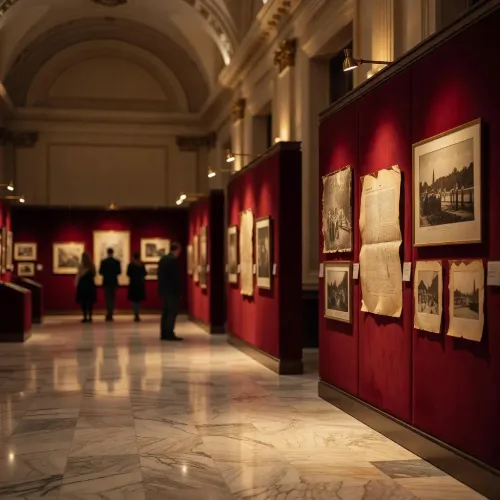
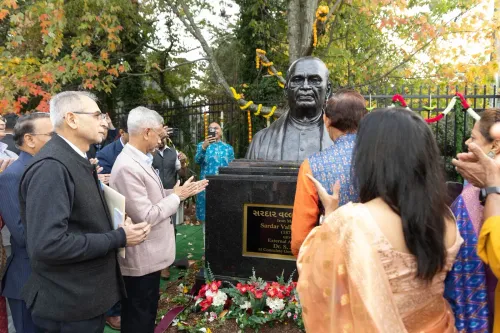
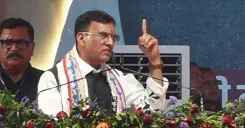
Union Consumer Affairs Minister Pralhad Joshi attended the ICHR inauguration of a 'Sardar Patel: Life and Times' exhibition and a concise biography release at New Delhi's Dr. Ambedkar International Centre, in the presence of Home Minister Amit Shah, on 1 November 2026.
Key Takeaways
Union Consumer Affairs Minister Pralhad Joshi attended the ICHR-organised 'Sardar Patel: Life and Times' exhibition inauguration and 'Sardar Patel: A Concise Biography' book release on 1 November 2026 .
The event was held at the Dr.
Ambedkar International Centre, New Delhi , in the presence of Union Home Minister Amit Shah .
Both initiatives were produced by the Indian Council of Historical Research (ICHR) , an autonomous body under the Ministry of Education established in 1972 .
Sardar Vallabhbhai Patel , India's first Deputy Prime Minister, oversaw the integration of over 500 princely states into the Indian Union after independence in 1947 .
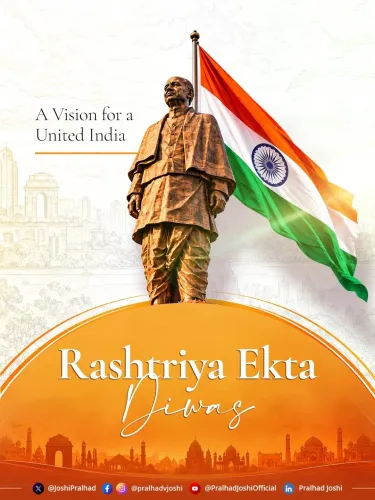
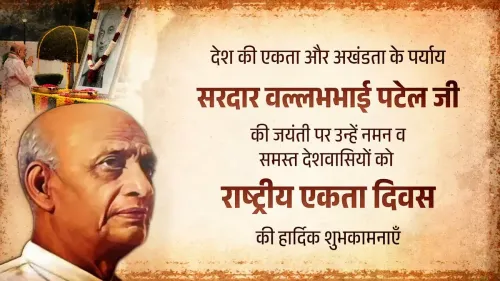
The event followed Rashtriya Ekta Diwas (31 October), observed annually since 2014 to commemorate Patel's birth anniversary.
The occasion is part of a broader pattern of official cultural programming highlighting Patel's role in national consolidation, which also includes the Statue of Unity inaugurated in 2018 .
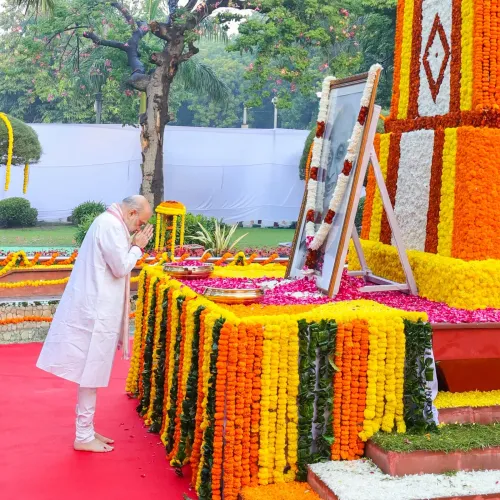
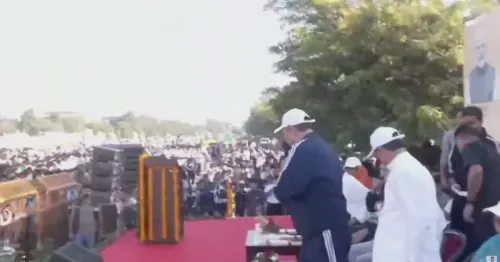
Seventy-nine years after Sardar Vallabhbhai Patel stitched together a fractured subcontinent into a single republic, his legacy was honoured in stone, ink, and image at New Delhi's Dr. Ambedkar International Centre on Sunday, 1 November 2026. Union Consumer Affairs Minister Pralhad Joshi attended the inauguration of an exhibition titled 'Sardar Patel: Life and Times' and the release of a book titled 'Sardar Patel: A Concise Biography' — both produced by the Indian Council of Historical Research (ICHR) — in the presence of Union Home Minister Amit Shah.
What the ICHR unveiled on Patel's centenary stage
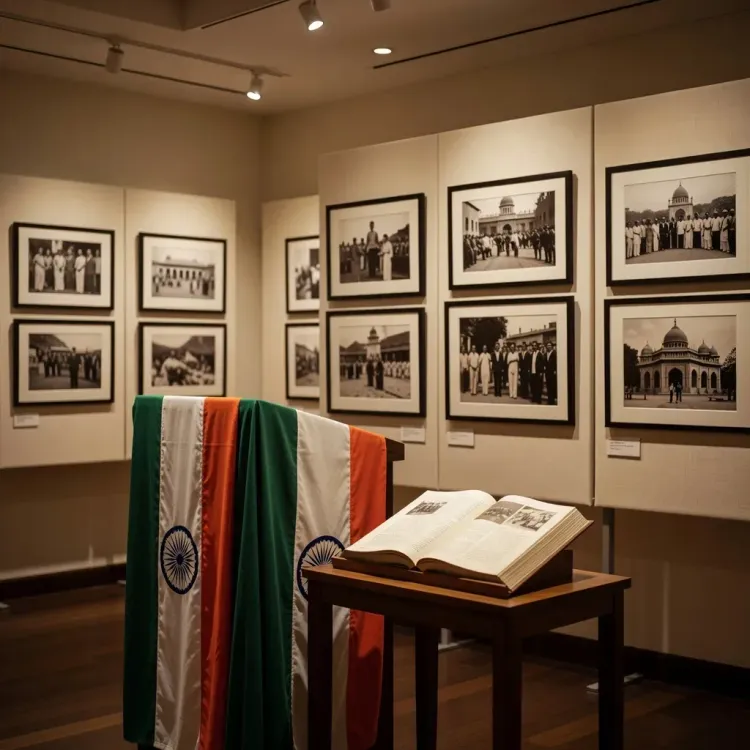
The twin initiatives — an exhibition and a biography — were presented as a tribute to Patel's 'unparalleled life, leadership, and contribution to nation-building,' as Joshi described it in his post. The ICHR, an autonomous body under the Ministry of Education established in 1972, curated both products, making this one of the council's more prominent public-facing releases in recent years. The venue, the Dr. Ambedkar International Centre in New Delhi, lent a symbolic resonance — two towering figures of India's founding generation sharing the same institutional space.
Patel's integration legacy and why New Delhi keeps returning to it
The timing was deliberate. 31 October marks Rashtriya Ekta Diwas — National Unity Day — observed every year since 2014 to commemorate Patel's birth anniversary and his role in integrating over 500 princely states into the Indian Union after independence in 1947. The event on 1 November extended those commemorations by a day, anchoring the tribute in both popular memory and institutional weight. The Statue of Unity in Gujarat, inaugurated in 2018, remains the most visible symbol of this sustained national effort to foreground Patel's legacy.
Home Minister Shah's presence and the political signal it carries
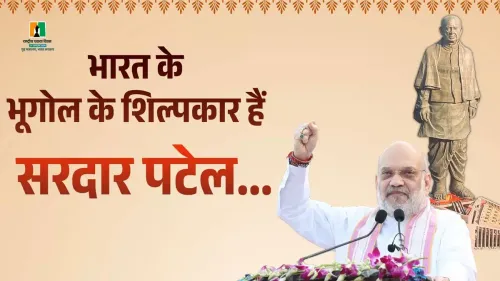
The presence of Home Minister Amit Shah at the inauguration was not incidental. As the minister overseeing internal security and administrative integration, Shah's attendance at an event celebrating the architect of India's territorial consolidation carries a layered message — connecting the current government's emphasis on national unity to Patel's foundational work. Joshi, himself a senior BJP leader from Karnataka, shared photographs and described the moment as one of respect and remembrance for a leader whose 'vision and firm resolve played a crucial role in achieving India's unity and integrity.'
The ICHR exhibition and biography are now part of a broader pattern of official cultural programming — exhibitions, memorials, and publications — that successive central governments have used to keep Patel's story in active public circulation. Whether state-level shows or further ICHR publications follow in the weeks ahead will signal how deep this latest commemorative push runs.
Point of View
An academic body, to produce both an exhibition and a biography lends institutional credibility to what is also a political exercise in historical memory. Amit Shah's presence elevates the occasion beyond routine commemoration, signalling that Patel's legacy remains an active ideological reference point for the current administration. Future ICHR commissions and curriculum debates will reveal whether this is a one-off anniversary gesture or the opening of a wider historical-education push.
NationPress
1 Nov 2026
Frequently Asked Questions
What is the ICHR exhibition 'Sardar Patel: Life and Times' about?
It is an exhibition produced by the Indian Council of Historical Research (ICHR) that documents Sardar Vallabhbhai Patel's life, leadership, and role in integrating over 500 princely states into the Indian Union after 1947. It was inaugurated at the Dr. Ambedkar International Centre in New Delhi on 1 November 2026.
Who inaugurated the ICHR Sardar Patel exhibition in New Delhi?
The exhibition was inaugurated in the presence of Union Home Minister Amit Shah at the Dr. Ambedkar International Centre in New Delhi. Union Consumer Affairs Minister Pralhad Joshi was also among the attendees.
What is Rashtriya Ekta Diwas and how is it connected to this event?
Rashtriya Ekta Diwas, or National Unity Day, is observed on 31 October every year since 2014 to mark Sardar Patel's birth anniversary and celebrate his contribution to India's territorial integration. The ICHR exhibition and biography launch on 1 November 2026 extended those commemorations.
What is the Indian Council of Historical Research (ICHR)?
The ICHR is an autonomous body under India's Ministry of Education, established in 1972, that promotes and funds historical research and publications. It produced both the 'Sardar Patel: Life and Times' exhibition and the 'Sardar Patel: A Concise Biography' book.
What is the significance of holding the event at Dr. Ambedkar International Centre?
The Dr. Ambedkar International Centre in New Delhi is an institution dedicated to the study of Dr. B.R. Ambedkar's ideas and related social and historical themes. Hosting a Sardar Patel tribute there symbolically brought together two foundational figures of independent India under the same institutional roof.