Pralhad Joshi Counts Down 2 Days to BRE Summit 2026

Synopsis
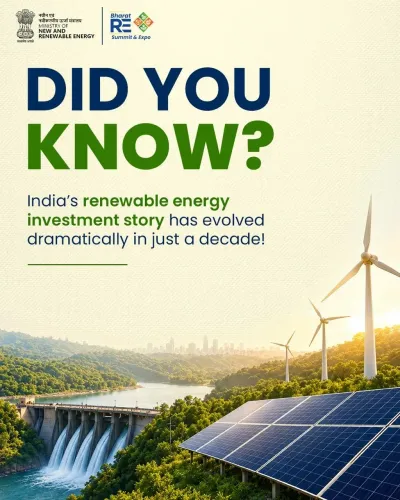
Union Minister Pralhad Joshi counts down two days to the Bharat Renewable Energy Summit & Expo 2026, running 2–5 November at Bharat Mandapam, New Delhi, calling global delegates and exhibitors to join India's clean-energy transition drive.
Key Takeaways
Union Minister Pralhad Joshi posted a 2-day countdown to the Bharat Renewable Energy Summit & Expo 2026 on 31 October 2026 .
The event runs from 2 to 5 November 2026 at Bharat Mandapam, New Delhi .
Registration is open at bresummit.in/register ; exhibitor sign-ups via bresummit.in/expo/exhibit-with-us .
India pledged 500 GW of non-fossil fuel capacity by 2030 at COP26 in Glasgow.
The Ministry of New and Renewable Energy uses such summits to attract investment and technology transfer agreements.
Key outcomes to watch: joint statements, investment pledges, and technology-transfer deals announced during the summit.
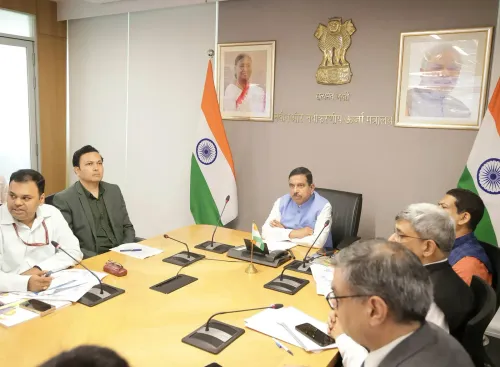
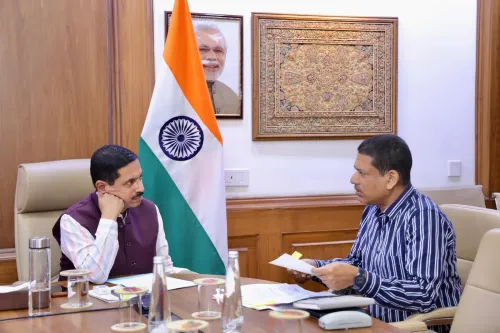
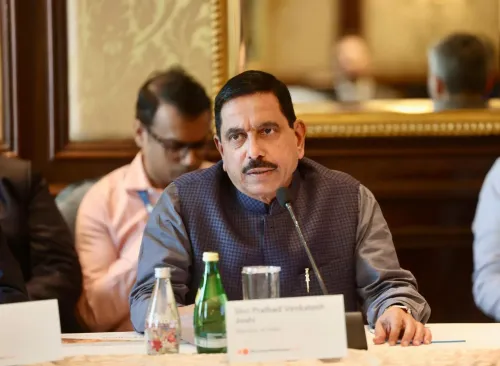
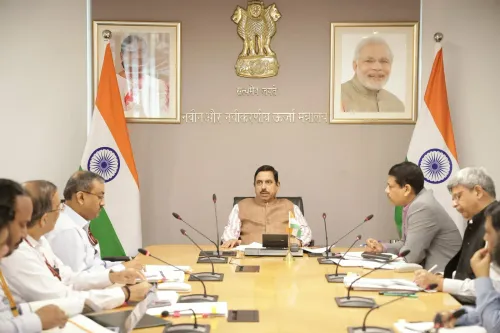
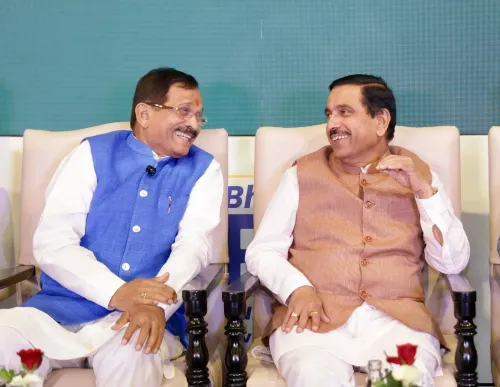
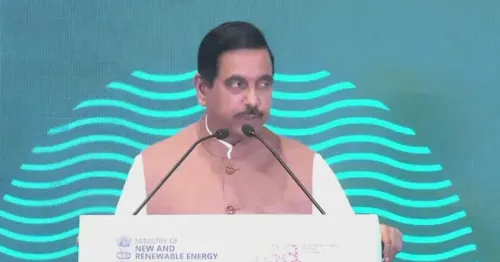
Two days before the world's clean-energy delegations converge on the capital, Union Minister for New and Renewable Energy Pralhad Joshi sounded the countdown on Saturday, 1 November 2026 — urging industry leaders, investors, and innovators to register for the Bharat Renewable Energy Summit & Expo 2026, set to open at Bharat Mandapam, New Delhi on 2 November.
Four days in New Delhi, one global clean-energy agenda
Running from 2 to 5 November 2026, the summit is pitched as a convergence point where global collaboration meets India's renewable ambitions. Joshi's post invited participation on two tracks: attending as a delegate — via bresummit.in/register — or exhibiting at the expo floor, through a dedicated exhibitor portal. The dual call signals an event designed both for policy dialogue and for commercial deal-making.
Bharat Mandapam, the sprawling convention complex in Pragati Maidan, New Delhi, has become India's preferred venue for large-scale international conclaves, lending the summit institutional weight from the moment delegates step through its doors.
India's 500 GW target and the stakes behind the showcase
The summit does not exist in a vacuum. At COP26 in Glasgow in 2021, India committed to reaching 500 GW of non-fossil fuel electricity capacity by 2030 — one of the most watched national pledges in the global energy transition. With that deadline now less than four years away, every major renewable conclave hosted in India carries the subtext of accountability: how close is the country to the number it promised the world?
The Ministry of New and Renewable Energy, which Joshi heads alongside Consumer Affairs, has consistently used multilateral forums to attract foreign investment and technology transfer agreements. Analysts watching the sector will be looking closely at any joint statements or capital pledges that emerge from the 2–5 November sessions — concrete figures that could signal whether India's renewable pipeline is accelerating at the pace the 2030 target demands.
Why the timing sharpens the pressure
Hosting a summit of this scale in the final quarter of 2026 puts India's energy diplomacy under a specific spotlight. The global clean-energy investment landscape has grown fiercely competitive, with major economies racing to lock in supply chains, technology partnerships, and manufacturing bases. For India, a well-attended BRE Summit is not just a policy signal — it is a commercial opportunity, and Joshi's personal call-to-action on social media underscores that the Ministry is treating turnout as a measure of the event's credibility.
The doors open in 48 hours. What gets pledged inside Bharat Mandapam over the next four days may well define the next chapter of India's clean-energy story.
Point of View
Just four years from the 2030 non-fossil fuel target, makes every high-profile renewable conclave a de-facto progress report on India's COP26 commitments. By framing the summit as a site where 'global collaboration meets India's clean-energy ambitions', the ministry is also sending a message to foreign investors: the pipeline is open and the government is at the door to receive them. How much bankable capital and technology actually changes hands over the four days will be the real test of whether the spectacle converts to substance.
NationPress
31 Oct 2026
Frequently Asked Questions
What is the Bharat Renewable Energy Summit & Expo 2026?
The Bharat Renewable Energy Summit & Expo 2026 is an international clean-energy conference and exhibition scheduled from 2 to 5 November 2026 at Bharat Mandapam, New Delhi , aimed at fostering global collaboration on India's renewable energy goals.
Where and when is the BRE Summit 2026 taking place?
The BRE Summit 2026 is being held at Bharat Mandapam in New Delhi from 2 to 5 November 2026 .
How can I register for the Bharat Renewable Energy Summit 2026?
Attendee registrations can be completed at bresummit.in/register , while those wishing to exhibit at the expo can sign up at bresummit.in/expo/exhibit-with-us .
What is India's renewable energy target for 2030?
India committed at COP26 in Glasgow in 2021 to achieving 500 GW of non-fossil fuel electricity capacity by 2030 , one of its key climate pledges to the international community.
Who is organising the BRE Summit 2026?
The event falls under the domain of the Ministry of New and Renewable Energy , headed by Union Minister Pralhad Joshi , who personally promoted the summit on social media.