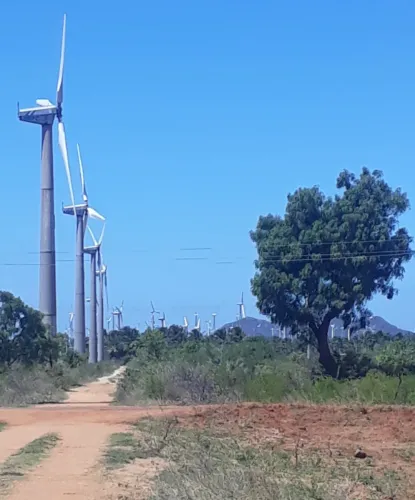
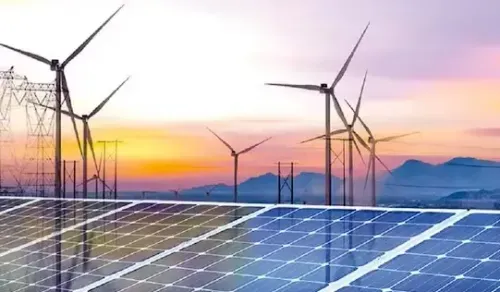
Pralhad Joshi flags record 6,057 MW wind power addition in 2025-26
Synopsis
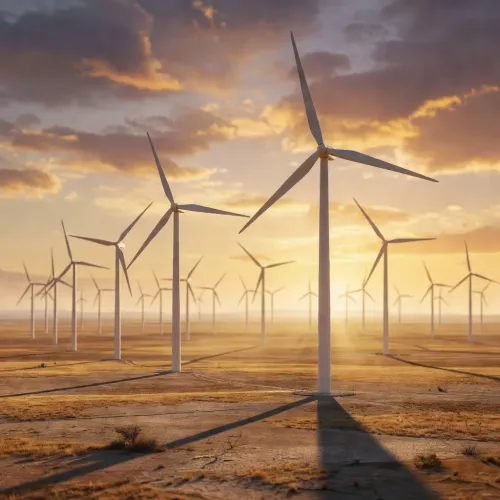
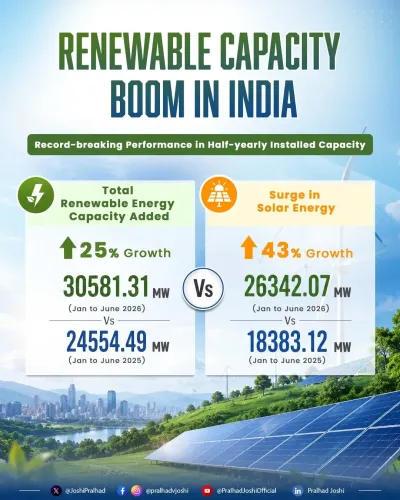
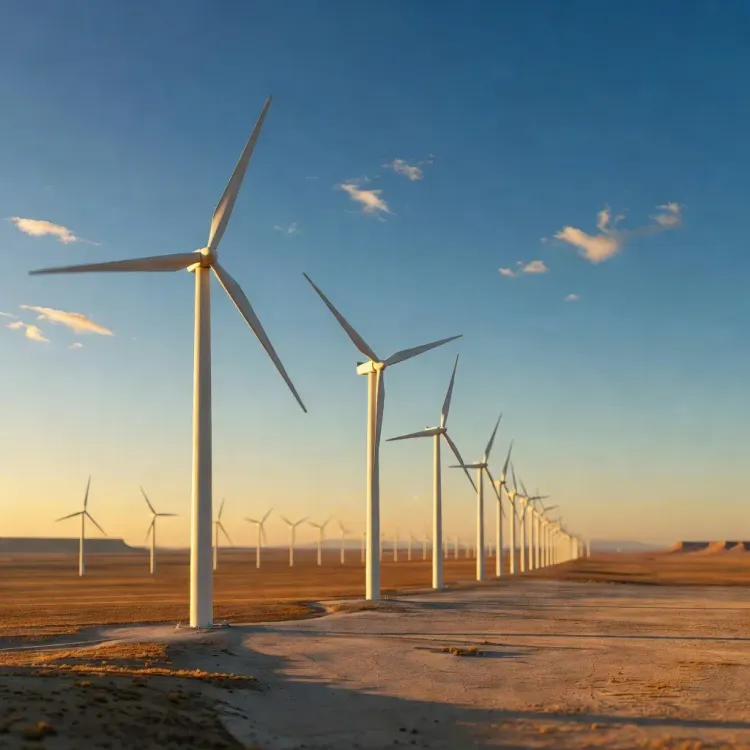
India added a record 6,057.02 MW of wind power in 2025-26, Union Minister Pralhad Joshi announced on 30 July 2026 — the highest single-year addition ever, advancing the country's push toward 500 GW of non-fossil capacity by 2030.
Key Takeaways
6,057.02 MW of wind power was added in 2025-26 , the highest annual addition in India's wind energy history.
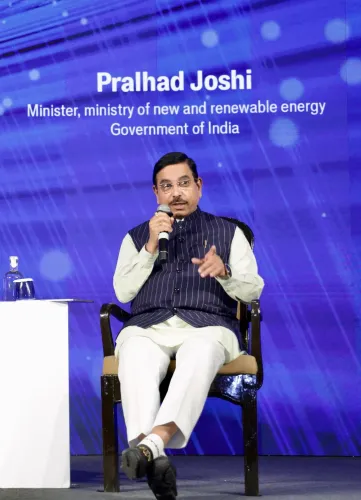
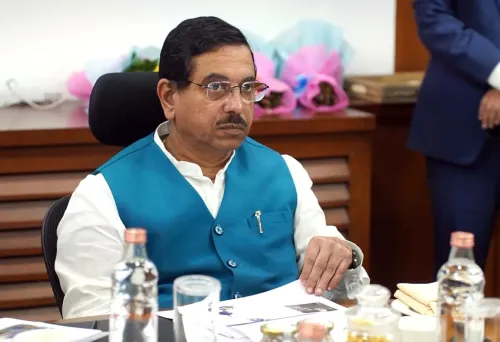
The announcement was made by Union Minister Pralhad Joshi , who heads the Ministry of New and Renewable Energy .
Wind power is a key pillar of India's goal to achieve 500 GW of non-fossil fuel electricity capacity by 2030 .
India's wind capacity is concentrated in states including Gujarat , Tamil Nadu , and Karnataka .
The National Wind-Solar Hybrid Policy (2018) and central tenders have been central policy tools driving capacity growth.
Grid integration and transmission infrastructure remain critical challenges as wind additions scale up toward the 2030 deadline.
India's wind energy sector just logged its biggest single-year leap on record. Union Minister of New and Renewable Energy Pralhad Joshi shared on Thursday, 30 July 2026 that India added 6,057.02 MW of wind power capacity in 2025-26 — the highest annual addition the sector has ever seen.
A number that rewrites the record books
The 6,057.02 MW figure is not a round-number estimate — the decimal precision signals official Central Electricity Authority accounting. Wind power additions in India have historically fluctuated sharply with tendering cycles and grid integration bottlenecks, making a clean break to a new annual high significant. The bulk of India's installed wind capacity sits in states with high-wind corridors: Gujarat, Tamil Nadu, and Karnataka — Joshi's own home state — have consistently led installations.
Where this fits India's 500 GW non-fossil ambition
Wind is one of two load-bearing pillars — alongside solar — in India's drive toward 500 GW of non-fossil fuel electricity capacity by 2030, a commitment embedded in the country's updated climate pledges. India first set a 175 GW renewable target by 2022 at the 2015 Paris climate conference, then scaled that ambition nearly threefold. The Ministry of New and Renewable Energy, which Joshi heads, has used a mix of central tenders, the National Wind-Solar Hybrid Policy of 2018, and state-level procurement to keep capacity additions moving. A record wind year tightens the gap to the 2030 finish line.
What the milestone means for developers and state grids
For wind developers and state utilities, a record addition year signals that tendering pipelines, land acquisition, and transmission connectivity — perennial chokepoints — aligned more cleanly in 2025-26 than in any prior year. Grid integration of variable renewable energy remains the next frontier: as wind capacity scales, state load despatch centres and interstate transmission infrastructure will face growing pressure to absorb the output without curtailment. The next test is whether 2026-27 can sustain or surpass this pace as the 2030 deadline draws closer.
India has crossed a wind milestone it has never crossed before. The question now is whether the infrastructure and policy scaffolding can make 6,057 MW a floor, not a ceiling.
Point of View
057.02 MW wind addition in 2025-26 is a tangible data point in India's long-running effort to reframe its global climate identity — from a heavy coal dependent to a renewable energy leader. For the BJP government, it hands Minister Joshi a concrete achievement to defend ahead of the 2030 non-fossil deadline, where the pace of additions in the next few years will determine whether the 500 GW target is credible or aspirational. The milestone also puts pressure on transmission and grid infrastructure policy, which has lagged generation growth — the real test of whether this record year becomes a trend or a one-off. Internationally, it strengthens India's hand in climate finance negotiations, where demonstrated delivery matters more than pledges.
NationPress
30 Jul 2026
Frequently Asked Questions
How much wind power did India add in 2025-26?
India added 6,057.02 MW of wind power capacity in 2025-26 , according to an announcement by Union Minister Pralhad Joshi on 30 July 2026 . This is the highest annual addition ever recorded in the sector.
What is India's renewable energy target for 2030?
India has set a target of 500 GW of non-fossil fuel electricity capacity by 2030 , a commitment made as part of the country's updated climate pledges. Wind and solar are the two primary pillars of this goal.
Which states lead India's wind power capacity?
Gujarat , Tamil Nadu , and Karnataka are among the leading states for wind power installations in India, benefiting from high-wind corridors and state-level procurement policies.
Who is Pralhad Joshi and what ministry does he head?
Pralhad Joshi is a senior BJP leader from Karnataka and serves as Union Minister of New and Renewable Energy as well as Minister of Consumer Affairs, Food and Public Distribution. He oversees national policy on wind, solar, and other renewable energy sources.
What is India's National Wind-Solar Hybrid Policy?
The National Wind-Solar Hybrid Policy , notified in 2018 , encourages developers to combine wind and solar installations at the same site to optimise land use, reduce transmission costs, and smooth out variable generation — a key tool in scaling up India's renewable capacity.