CM Bhupendra Patel Flags India's Record 6,057 MW Wind Power Addition
Synopsis
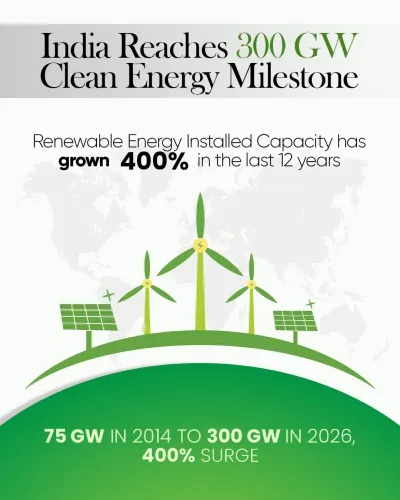
Gujarat CM Bhupendra Patel shared that India added a record 6,057.02 MW of wind power in 2025-26 — the highest annual addition ever — marking a significant milestone in the country's push toward its 500 GW non-fossil energy target by 2030.
Key Takeaways
India added 6,057.02 MW of wind power in 2025-26 , the highest annual addition in the sector's history.
Gujarat CM Bhupendra Patel shared the milestone on July 30, 2026 via the NaMo App.
India's cumulative wind capacity had crossed 40 GW in the early 2020s; this single year adds roughly 15 percent to that total.
Key wind-producing states include Gujarat, Tamil Nadu, Maharashtra , and Rajasthan .
India targets 500 GW of non-fossil energy capacity by 2030 under its Paris Agreement commitments.
The Ministry of New and Renewable Energy has driven capacity growth through competitive auctions and repowering policies since 2016 .
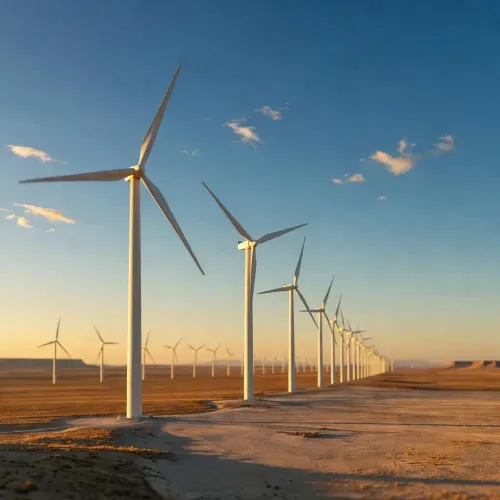
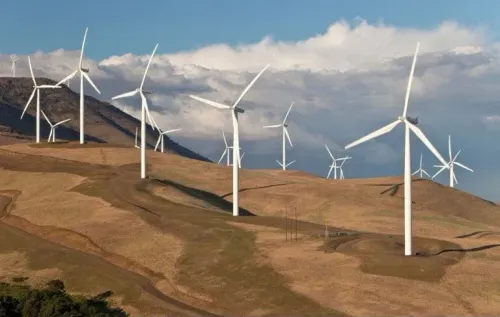
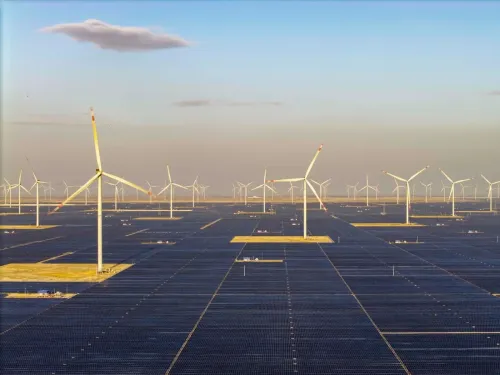
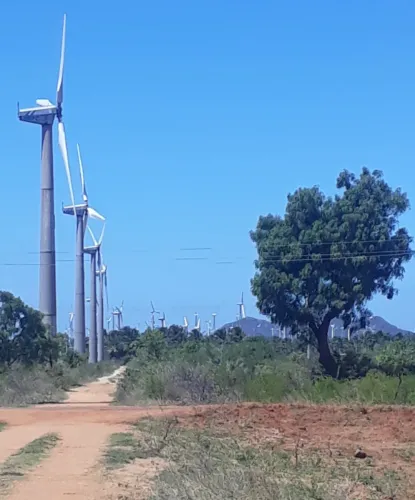
India's wind energy sector just logged its biggest single-year leap on record. Gujarat Chief Minister Bhupendra Patel on Thursday, July 30, 2026, shared the milestone that India added 6,057.02 MW of wind power capacity in 2025-26 — the highest annual addition the sector has ever seen.
A number that rewrites the record books
The 6,057.02 MW figure is not just a statistical uptick — it represents a step-change in the pace of India's wind build-out. India's cumulative wind installed capacity had crossed 40 GW in the early 2020s, meaning this single year's addition alone represents roughly 15 percent of what took the country decades to accumulate. The Ministry of New and Renewable Energy's successive auction rounds and repowering policies, introduced since 2016, have been designed precisely to unlock this kind of acceleration.
Gujarat, Tamil Nadu, and the states driving the surge
Wind power in India is not evenly distributed — it is concentrated in high-resource coastal and semi-arid belts. Gujarat, Tamil Nadu, Maharashtra, and Rajasthan have consistently contributed the largest shares of annual additions, thanks to superior wind resource zones and proactive state-level facilitation. CM Patel's decision to amplify this national milestone carries an implicit signal: Gujarat remains central to India's renewable geography. His post, shared via the NaMo App, reflects the ruling party's deliberate strategy of communicating infrastructure records through official digital channels.
The 500 GW clock is ticking
India committed under its 2015 Paris Agreement pledges to reach 175 GW of renewable capacity by 2022 — including 60 GW from wind alone — and has since raised the ambition to 500 GW of non-fossil capacity by 2030. Annual wind additions had fluctuated in the years prior, constrained by grid absorption challenges and policy lags. A record-breaking 2025-26 suggests the pipeline is finally clearing. The next critical data point: whether FY 2026-27 can sustain or surpass this pace, and whether state renewable purchase obligations are tightened to match the revised 2030 target.
One record year does not guarantee a linear trajectory — but at 6,057 MW in a single fiscal, India's wind sector has just made the 500 GW deadline look a great deal more credible.
Point of View
057 MW addition, if sustained, would significantly de-risk India's 500 GW non-fossil target — but the real test is grid absorption and whether state distribution companies can match generation ambition with offtake commitments. Wind-heavy states like Gujarat have a direct stake in how renewable purchase obligations are revised in the next policy cycle, making this milestone both a celebration and a political signal about who is leading the energy transition.
NationPress
13 Sept 2026
Frequently Asked Questions
How much wind power did India add in 2025-26?
India added 6,057.02 MW of wind power capacity in 2025-26 , which is the highest annual addition ever recorded in the country's wind energy sector.
What is India's total wind energy capacity?
India's cumulative installed wind capacity had exceeded 40 GW by the early 2020s. The record 6,057.02 MW added in 2025-26 represents a significant single-year increment on top of that base.
What is India's renewable energy target for 2030?
India has set a target of 500 GW of non-fossil fuel-based electricity capacity by 2030 , an ambition rooted in its updated Paris Agreement commitments.
Which states lead India's wind energy production?
Gujarat, Tamil Nadu, Maharashtra , and Rajasthan are the leading wind energy states in India, benefiting from high wind resource zones and state-level policy facilitation.
Why did Gujarat CM Bhupendra Patel share this wind power milestone?
CM Bhupendra Patel shared the milestone via the NaMo App on July 30, 2026 , consistent with the BJP's practice of highlighting national infrastructure and clean energy achievements through official digital platforms.