India Ranks 4th Globally in Wind Energy: Modi Hails 6 GW Milestone
Synopsis
India has claimed the 4th spot globally in wind energy capacity after adding 6 GW in a single year — a milestone PM Modi highlighted in 'Mann Ki Baat'. Gujarat's barren deserts are now powering the nation's green future, while the sector is simultaneously creating thousands of jobs for India's youth.
Key Takeaways
India ranks 4th globally in total wind energy capacity, as announced by PM Modi on April 27, 2025 during Mann Ki Baat .
India added approximately 6 GW of new wind energy capacity in a single year, drawing international attention.
Key states driving growth include Gujarat , Tamil Nadu , Maharashtra , and Rajasthan , with Kutch , Patan , and Banaskantha emerging as major wind energy hubs.
The wind energy boom is creating new employment avenues for India's youth, especially in rural and semi-urban regions.
India has a national target of 500 GW non-fossil fuel energy capacity by 2030 , pledged at COP26 in Glasgow .
PM Modi called on citizens to prioritise electricity conservation and renewable energy adoption as a dual national responsibility.
New Delhi, April 27 — Prime Minister Narendra Modi on Sunday announced that India has secured the fourth position globally in total wind energy capacity, adding approximately 6 gigawatts (GW) of fresh wind power in a single year — a landmark achievement that underscores the country's accelerating shift toward clean and sustainable energy.
The Prime Minister made the announcement during his monthly radio programme 'Mann Ki Baat', framing the milestone not just as an engineering triumph but as a reflection of the nation's collective resolve to build a greener, more self-reliant future.
India's Wind Energy Milestone in Numbers
India's addition of 6 GW of wind energy capacity within a single calendar year has drawn significant attention from the international energy community. This rapid scaling places India among the world's most aggressive movers in the renewable energy transition, alongside China, the United States, and Germany.
PM Modi noted that this achievement is not the result of any single policy push, but a sustained, multi-year effort involving government investment, private sector participation, and community-level adoption. The milestone aligns with India's stated target of achieving 500 GW of non-fossil fuel energy capacity by 2030, a commitment made at the COP26 climate summit in Glasgow.
According to publicly available data from the Ministry of New and Renewable Energy (MNRE), India's total installed wind power capacity now stands at over 47 GW, with the sector contributing meaningfully to the national grid on a daily basis.
States Driving the Green Revolution
The Prime Minister specifically called out Gujarat, Tamil Nadu, Maharashtra, and Rajasthan as the frontrunner states powering India's wind energy expansion. These states benefit from high wind speed corridors and have invested in transmission infrastructure to carry generated power to urban consumption centres.
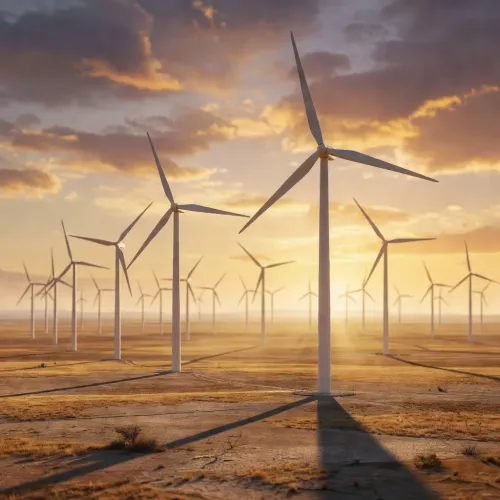
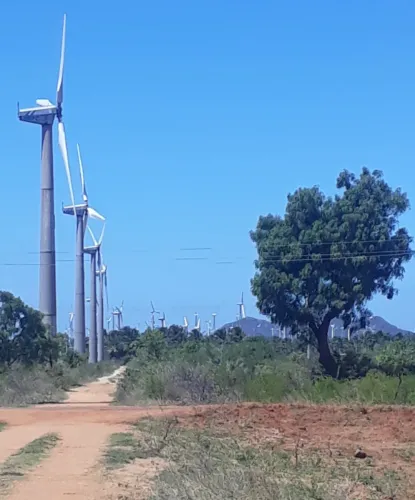
Gujarat's arid districts — particularly Kutch, Patan, and Banaskantha — have emerged as standout examples of geographic adversity turned into economic opportunity. Regions once defined by their barrenness and limited agricultural viability are now home to sprawling wind farms that generate both electricity and livelihoods.
This transformation serves as a replicable model for other states with similar topographic challenges, potentially unlocking renewable energy potential in Rajasthan's Thar Desert belt and Maharashtra's Vidarbha plateau.
Economic and Employment Impact
Beyond environmental metrics, PM Modi emphasized the socio-economic dividend of India's wind energy boom. As wind farm installations scale up, demand is surging for skilled technicians, civil engineers, logistics professionals, and maintenance workers — particularly in rural and semi-urban geographies that have historically lagged in formal employment.
The wind energy sector is increasingly being positioned as a vehicle for youth empowerment, with vocational training programmes being aligned to meet the workforce needs of new projects. This dual mandate — clean energy generation and job creation — strengthens the political and economic case for continued investment.
Notably, India's renewable energy manufacturing ecosystem is also expanding. Domestic production of wind turbine components has grown, reducing import dependency and supporting the broader 'Make in India' agenda in the energy sector.
Strategic Context: Why This Matters Now
This announcement comes at a critical juncture. India is simultaneously navigating rising electricity demand driven by industrial growth, urbanisation, and extreme heat events — while also facing pressure from global climate frameworks to reduce carbon intensity. The 4th global rank in wind energy provides New Delhi with significant diplomatic leverage in multilateral climate negotiations.
Critics, however, point out that while installed capacity figures are impressive, India's grid integration challenges, transmission losses, and land acquisition bottlenecks remain structural hurdles that could slow the pace of deployment. The gap between sanctioned capacity and actual power delivered to consumers is a metric that analysts argue deserves equal attention.
This context is crucial: India's per capita energy consumption remains well below the global average, meaning the country must simultaneously expand generation capacity and ensure equitable distribution — a challenge that wind energy alone cannot solve without complementary solar, hydro, and storage solutions.
PM Modi's Call to Citizens
Prime Minister Modi concluded his remarks on the topic with a citizen-facing appeal, urging every Indian to treat the conservation of electricity and the adoption of renewable energy as a personal and national responsibility. He stressed that transformational change at the national level originates from individual actions taken at every level of society.
He reiterated that India's clean energy journey is not merely about meeting international climate targets — it is about building an energy-secure, economically resilient nation for future generations.
Looking ahead, the government is expected to announce further policy incentives for offshore wind development and green hydrogen integration in the coming months, as India seeks to maintain its upward trajectory in global renewable energy rankings.
Point of View
Which make for compelling headlines, but in actual units delivered reliably to homes and factories. The Modi government deserves credit for sustained policy focus, yet the mainstream narrative consistently underplays persistent challenges: grid bottlenecks, land acquisition disputes, and the yawning gap between rural energy poverty and urban consumption growth. As India leverages this milestone in climate diplomacy, the harder question is whether the benefits of this green boom are reaching the very communities — in Kutch, Banaskantha, and Rajasthan's desert belt — whose land and landscape are being transformed.
NationPress
7 Oct 2026
Frequently Asked Questions
What rank does India hold in global wind energy capacity?
India currently ranks 4th globally in total wind energy capacity , as announced by Prime Minister Narendra Modi during his Mann Ki Baat address on April 27, 2025 . This places India behind China, the United States, and Germany in the global wind energy hierarchy.
How much wind energy capacity did India add in 2024-25?
India added approximately 6 GW of new wind energy capacity within a single year, according to PM Modi's statement in Mann Ki Baat . This rapid addition has been a key driver behind India's rise in global renewable energy rankings.
Which Indian states are leading in wind energy production?
Gujarat , Tamil Nadu , Maharashtra , and Rajasthan are the top states driving India's wind energy expansion . Gujarat's districts of Kutch , Patan , and Banaskantha have been specifically highlighted for transforming barren desert land into large-scale wind energy hubs.
What is India's renewable energy target for 2030?
India has committed to achieving 500 GW of non-fossil fuel energy capacity by 2030 , a pledge made at the COP26 climate summit in Glasgow . The current wind energy milestone is a significant step toward meeting this nationally determined contribution.
How does India's wind energy growth benefit employment?
The expansion of India's wind energy sector is generating employment opportunities in rural and semi-urban areas, particularly in roles like turbine maintenance, civil engineering, and logistics. PM Modi has emphasized that the clean energy transition is simultaneously serving as a catalyst for youth employment and professional skill development.