India Achieves Record 6.05 GW Wind Energy Capacity in FY26
Synopsis
India breaks its wind energy record, achieving an unprecedented 6.05 GW capacity addition in FY26, representing a 46% increase from the previous year. This milestone reinforces the nation's commitment to renewable energy.
Key Takeaways
India added 6.05 GW of wind capacity in FY26.
Represents a 46% increase from FY25.
Total wind power capacity now exceeds 56 GW .
Government initiatives are enhancing the sector's growth.
Key states contributing include Gujarat, Karnataka, and Maharashtra .
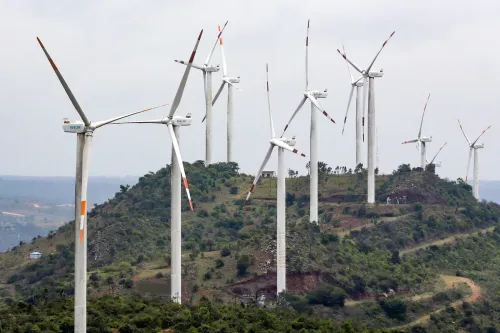
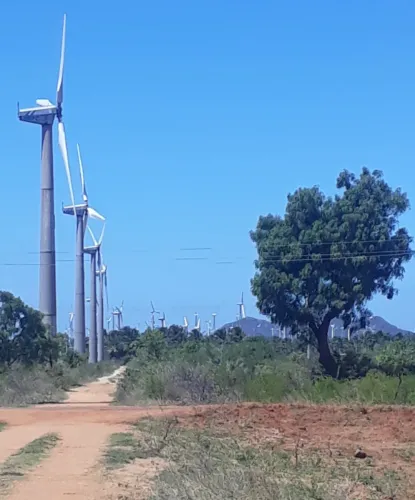
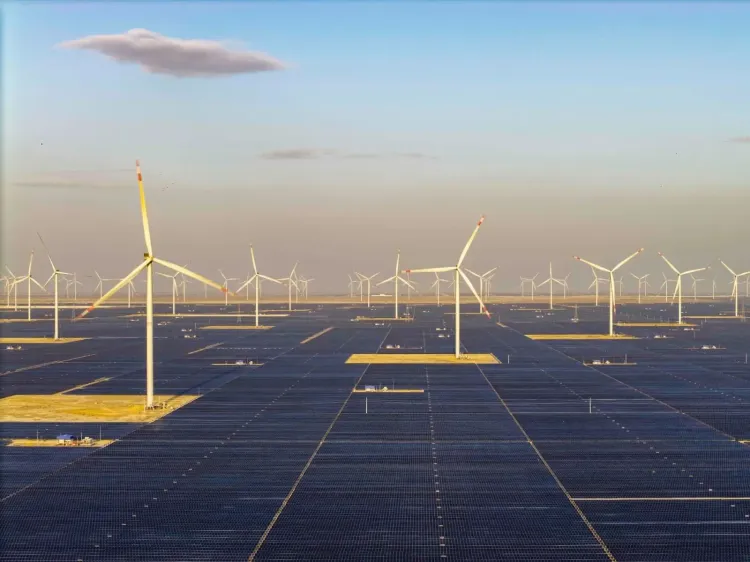
New Delhi, April 6 (NationPress) - The government announced on Monday that India has reached an unprecedented milestone in wind energy, adding a remarkable 6.05 GW of wind capacity in FY26. This achievement surpasses the previous record of 5.5 GW set in FY 2016-17.
This marks an impressive increase of approximately 46 percent over the capacity added in FY25, indicating a significant acceleration in the implementation of onshore wind projects across the nation.
“With this latest addition, India’s total installed wind power capacity has exceeded 56 GW. This landmark achievement reflects a revitalized momentum in the sector, driven by enhanced policy clarity, readiness for transmission, competitive tariff discovery, and a robust project pipeline,” stated the Ministry of New and Renewable Energy.
The wind energy sector in India has shown consistent growth over the years. The government has introduced various initiatives to support this sector, including Concessional Custom Duty on specific components and raw materials for wind turbine manufacturing, a graded waiver of Inter-State Transmission System (ISTS) charges until June 2028, competitive bidding frameworks, separate Wind Renewable Consumption Obligation (RCO) structures, and technical assistance from the National Institute of Wind Energy.
This record-setting addition significantly enhances India’s renewable energy portfolio and aids in achieving the national goal of 500 GW of non-fossil fuel-based energy capacity by 2030.
India’s wind energy program began in the early 1990s as part of a broader renewable energy strategy by the government.
Over the last three decades, India has established a robust wind energy ecosystem and a solid policy framework promoting grid-connected wind power initiatives, according to the ministry.
This significant achievement stems from ongoing policy support, improved project management, and a more mature pipeline in key wind energy states.
“States such as Gujarat, Karnataka, and Maharashtra have played a crucial role in capacity addition this year, bolstered by a growing pipeline of wind-solar hybrid projects and the progressive implementation of green energy open access,” the ministry added.
Point of View
This achievement underscores India's commitment to expanding its renewable energy capabilities. The significant increase in wind capacity not only reflects effective policy measures but also positions India as a leader in the global shift towards sustainable energy solutions. States driving this growth are critical to maintaining momentum.
NationPress
15 Oct 2026
Frequently Asked Questions
What is the new wind energy capacity added in FY26?
India has added an unprecedented 6.05 GW of wind energy capacity in FY26.
How much did the wind energy capacity increase from FY25?
The capacity increased by approximately 46% from the previous fiscal year.
What is India's total wind power capacity now?
India's cumulative installed wind power capacity has crossed 56 GW.
What initiatives support the wind energy sector in India?
The government offers various initiatives, including concessional duties on components and waivers on transmission charges.
Which states are leading in wind capacity addition?
Gujarat, Karnataka, and Maharashtra are the primary contributors to the recent capacity addition.