PM Modi on Mann Ki Baat: Cleanliness a form of service, cites UP village and Amarnath Yatra
Synopsis
In the 137th Mann Ki Baat, Modi spotlighted two stories that rarely make headlines — a youth-led cleanup group in Rampur's Patwai village that cleared over a tonne of plastic from Ganga ghats, and an Amarnath Yatra where pilgrims themselves pledged to keep the route clean and animal dung was turned into biogas. The message: cleanliness as civic identity, not just government policy.
Key Takeaways
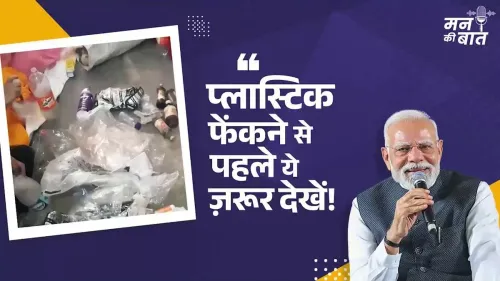
PM Modi addressed the 137th episode of Mann Ki Baat on 30 August , focusing on community-led cleanliness.
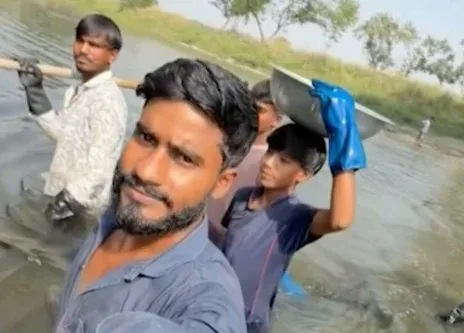
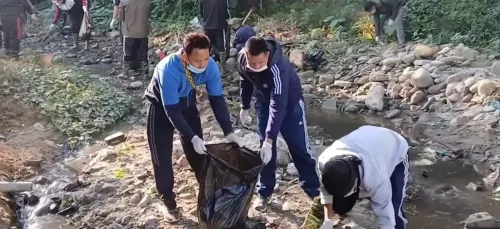
Youth group 'Clean-up Patwai' in Rampur, Uttar Pradesh has cleaned four Ganga ghats and removed over one tonne of plastic waste .
During the Shri Amarnath Yatra , more than 400 metric tonnes of waste were collected and processed.
Over 16,000 pilgrims took a cleanliness pledge; more than 10,000 received the 'Responsible Yatri' certificate.
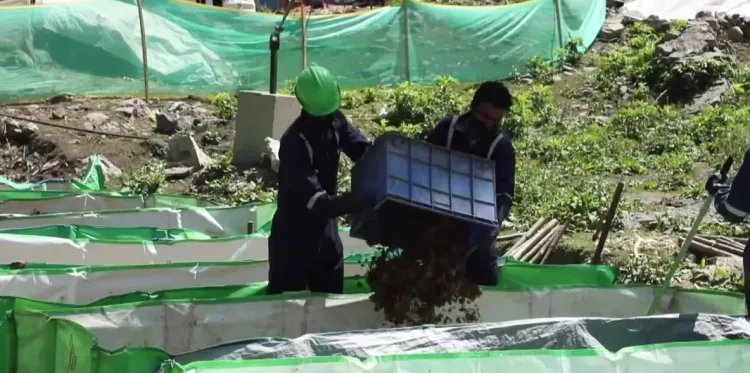
Horse and mule dung from the yatra was converted into biogas to power the 'Swachh Jyot' — a first-of-its-kind initiative at the pilgrimage.
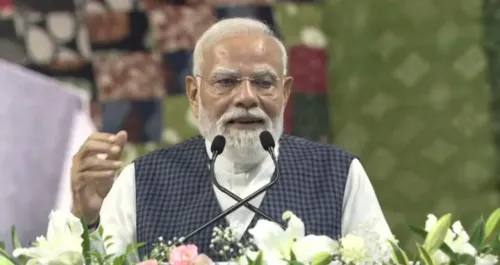
Prime Minister Narendra Modi on Sunday, 30 August underscored the power of collective action in sanitation, asserting that when cleanliness becomes a shared commitment, it fundamentally transforms the identity of a place — not merely its appearance. He made the remarks during the 137th episode of his monthly radio programme, 'Mann Ki Baat'.
The UP Village That Sparked a Movement
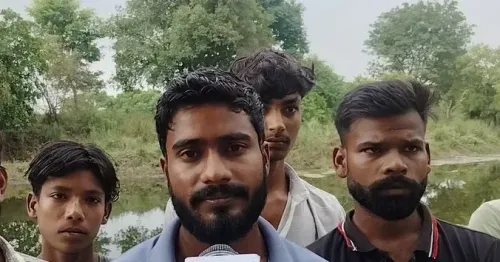
Modi cited the example of Patwai village in Rampur, Uttar Pradesh, where two young friends, Akash and Rohan, took it upon themselves to address rising garbage and waste in their surroundings. Their initiative quickly grew into a community effort.
'That was all it took; Akash and Rohan picked up garbage bags and set out to clean the area. Gradually, other young people joined them, and a team was formed — named 'Clean-up Patwai',' Modi said. The group has since cleaned four Ganga ghats and removed over one tonne of plastic waste, in addition to clearing multiple ponds and public spaces.
Amarnath Yatra: Pilgrims as Active Participants
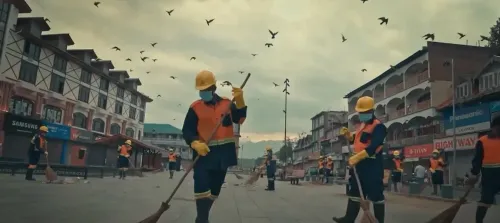
The Prime Minister also highlighted the cleanliness drive conducted during the recently concluded Shri Amarnath Yatra, calling it a model of citizen-led sanitation. Thousands of sanitation workers reportedly laboured around the clock along the pilgrimage route, while pilgrims themselves took an active role.
'During this year's pilgrimage, more than 400 metric tonnes of waste were collected and processed,' Modi said. He noted that more than 16,000 pilgrims took a formal pledge towards cleanliness, and over 10,000 pilgrims were recognised with the 'Responsible Yatri' certificate for their conduct.
Biogas from Animal Dung: A Unique Green Initiative
One initiative from the Amarnath Yatra drew particular attention from the Prime Minister — dung collected from horses and mules used during the pilgrimage was converted into biogas, which was then used to light what he called the 'Swachh Jyot' (Clean Flame). Modi described this as cleanliness becoming 'a form of service and faith' during the holy journey to Baba Barfani.
Identity of Public Spaces Shaped by Conduct
Broadening the message, Modi emphasised that the character of villages, cities, rivers, and religious sites is ultimately determined by the behaviour of the people who inhabit or visit them. 'Whether it is our villages or cities, our rivers or pilgrimage sites — their identity is shaped by our conduct. And when cleanliness becomes a part of that conduct, the beauty of the place is further enhanced,' he said.
The remarks come as the Centre continues to push the Swachh Bharat Mission, now in its second phase, with a growing focus on community ownership rather than top-down enforcement. The Mann Ki Baat platform, which Modi has used consistently since 2014, remains a key vehicle for amplifying grassroots stories of civic participation.
Point of View
But they also do political work: they shift the narrative of Swachh Bharat from a top-down programme with mixed urban sanitation outcomes to a bottom-up movement. The biogas-from-dung initiative at Amarnath is the most substantive detail — if replicable at scale across pilgrimage sites, it addresses both waste and energy. The 'Responsible Yatri' certificate, however, is a softer intervention; its long-term behavioural impact on pilgrim conduct remains unverified.
NationPress
30 Aug 2026
Frequently Asked Questions
What did PM Modi say in the 137th Mann Ki Baat episode?
In the 137th Mann Ki Baat on 30 August, PM Modi highlighted community-led cleanliness efforts, citing a youth group in Patwai village, Rampur and sanitation achievements during the Shri Amarnath Yatra. He said cleanliness, when it becomes a collective commitment, transforms the identity of a place.
What is 'Clean-up Patwai' and what has it achieved?
'Clean-up Patwai' is a youth-led sanitation group in Patwai village, Rampur, Uttar Pradesh, started by two friends named Akash and Rohan. The group has cleaned four Ganga ghats and removed over one tonne of plastic waste, along with clearing several ponds and public spaces.
How much waste was collected during the Amarnath Yatra this year?
More than 400 metric tonnes of waste were collected and processed during the Shri Amarnath Yatra this year, according to PM Modi's Mann Ki Baat address. Thousands of sanitation workers and over 16,000 pilgrims who took a cleanliness pledge contributed to the effort.
What is the 'Responsible Yatri' certificate awarded at Amarnath Yatra?
The 'Responsible Yatri' certificate was awarded to pilgrims who actively participated in cleanliness efforts and demonstrated responsible conduct during the Amarnath Yatra. More than 10,000 pilgrims received the recognition this year.
What was the biogas initiative at the Amarnath Yatra?
Dung collected from horses and mules used during the Amarnath pilgrimage was converted into biogas, which was then used to light the 'Swachh Jyot' or Clean Flame. PM Modi described it as a unique experiment that turned waste into clean energy during the holy yatra.