India Surpasses Brazil: Ranks 3rd in Renewable Energy Capacity with a Goal of 500 GW by 2030
Synopsis
India has achieved a significant milestone by ranking third in global renewable energy capacity, surpassing Brazil. With ambitious plans to reach 500 GW by 2030, the country is making remarkable strides in clean energy initiatives.
Key Takeaways
India is now the third largest in renewable energy capacity globally.
The country surpassed Brazil and aims for 500 GW by 2030.
Renewables met 51.5% of electricity demand in July 2025.
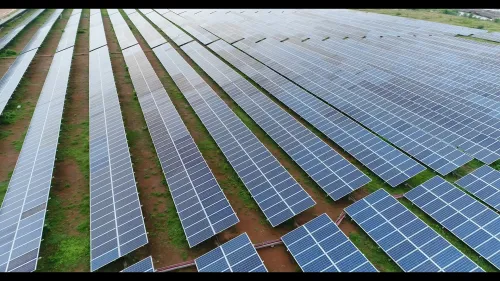
Solar energy capacity increased significantly to 150.26 GW .
Wind energy also saw its highest annual addition of 6.05 GW .
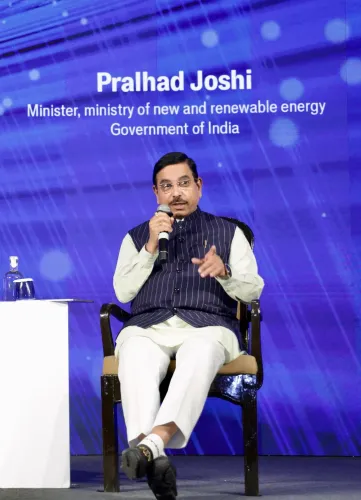
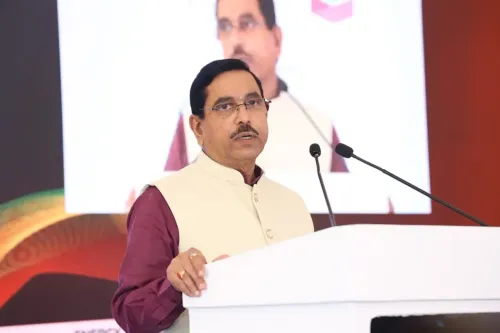
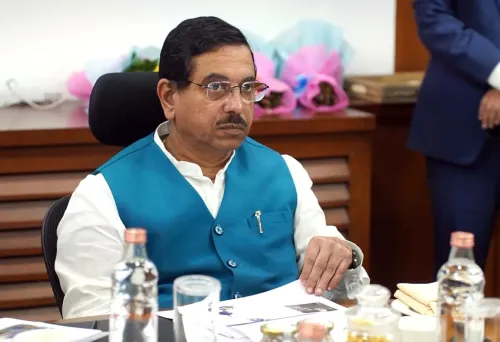
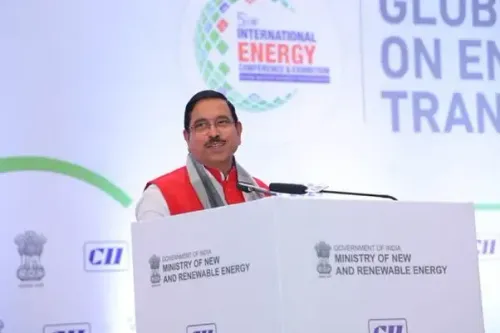
New Delhi, April 8 (NationPress) - On Wednesday, Union Minister for New and Renewable Energy, Pralhad Joshi, announced that India has achieved the position of third largest globally in terms of installed renewable energy capacity, overtaking Brazil.
Recent statistics from the International Renewable Energy Agency (IRENA) indicate that as of December 2025, India's installed renewable energy capacity reached 250.52 GW, placing it behind China and the United States, while surpassing both Brazil and Germany.
The Minister elaborated that during the fiscal year 2025-26, India recorded an impressive addition of 55.3 GW of non-fossil fuel capacity, marking the highest annual increase to date, compared to 29.5 GW added in the previous year (2024-25).
As of March 31, 2026, the total installed capacity from non-fossil fuel sources in India has reached 283.46 GW, which includes 274.68 GW from renewable sources and 8.78 GW from nuclear energy.
Moreover, Joshi pointed out that in July 2025, renewable energy sources met an unprecedented 51.5% of the country's electricity demand, reflecting a significant shift towards cleaner energy in the national power mix.
India's overall power generation for the fiscal year 2025-26 was recorded at 1,845.9 billion units (BU), with 538.97 BU, equating to 29.2%, derived from non-fossil fuel sources.
In June 2025, the nation achieved a critical milestone by reaching 50% cumulative installed electricity capacity from non-fossil sources, which was accomplished five years ahead of its 2030 target under the Paris Agreement.
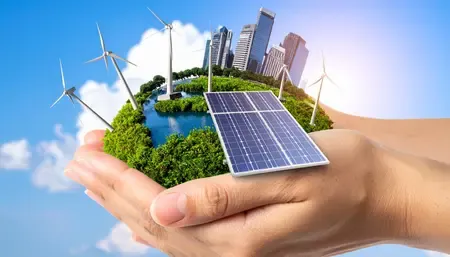
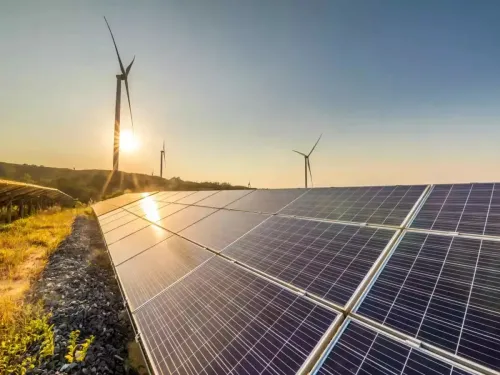
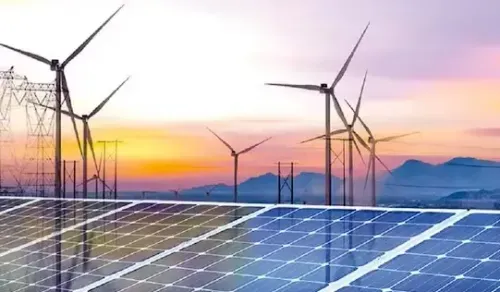
The solar sector has experienced remarkable growth, with its installed capacity increasing over 50-fold from 2.82 GW in 2014 to 150.26 GW by March 2026. Similarly, wind energy capacity rose to 56.09 GW from 21.04 GW in the same timeframe.
During the period of 2025-26, solar capacity additions reached a record 44.61 GW, driven by both utility-scale and distributed projects, including rooftop solar and PM KUSUM initiatives. Wind energy also saw its all-time highest annual addition of 6.05 GW.
Joshi affirmed that India is on a path to achieve 500 GW of installed electricity capacity from non-fossil fuel sources by 2030, in accordance with the Prime Minister's commitment made at COP26.
Point of View
India's rise to third place in renewable energy capacity underscores the government's commitment to sustainable development. This achievement reflects a strategic move towards reducing reliance on fossil fuels, aligning with global climate goals. The ambitious target of 500 GW by 2030 indicates a strong focus on clean energy that will benefit both the environment and the economy.
NationPress
8 Oct 2026
Frequently Asked Questions
What is India's current renewable energy capacity?
As of December 2025, India's installed renewable energy capacity stands at 250.52 GW.
What are India's renewable energy goals for 2030?
India aims to achieve 500 GW of installed electricity capacity from non-fossil fuel sources by 2030.
How much of India's electricity demand is met by renewable energy?
In July 2025, renewable energy sources met a record 51.5% of India's electricity demand.
Which renewable energy source has seen the most growth in India?
Solar energy has seen the sharpest growth, increasing from 2.82 GW in 2014 to 150.26 GW by March 2026.
What was India's total power generation in 2025-26?
India's total power generation for 2025-26 was recorded at 1,845.9 billion units.