India eyes 100 GW wind capacity by 2030 as Global Wind Day 2026 opens in Goa
Synopsis
India just logged its best-ever year for wind capacity addition — 6.05 GW in 2025-26 — and is now hosting Global Wind Day 2026 in Goa with a 100 GW target by 2030 in its sights. With over 1,163 GW of untapped potential at 150 metres and a domestic manufacturing base that has more than doubled since 2014, the ambition is credible — but the execution window is tight.
Key Takeaways
India will host the Global Wind Day 2026 Conference on 16 June 2026 in Goa , targeting 100 GW wind capacity by 2030 and 156 GW by 2036 .
Installed wind capacity reached 56.09 GW in March 2026 , up from 21.04 GW in March 2014 — a 2.66-fold increase.
India recorded its highest-ever annual wind addition of 6.05 GW in 2025-26 , surpassing the previous record of 4.15 GW .
An additional 28 GW is currently under implementation; India ranks fourth globally in installed wind capacity.
India's gross wind potential is 1,163.9 GW at 150 metres , concentrated in 8 states led by Rajasthan ( 284.2 GW ).
Domestic wind turbine manufacturing capacity has grown from 10 GW (2014) to 24 GW (March 2026), with 70-80% indigenisation across key components.
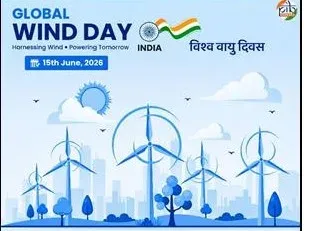
India will host the Global Wind Day 2026 Conference on Monday, 16 June 2026, in Goa, under the theme 'Wind Energy: From Ambition to Acceleration', as the country targets 100 GW of installed wind capacity by 2030 and 156 GW by 2036, according to an official statement. The conference arrives at a pivotal moment: India has just posted its highest-ever annual wind capacity addition and ranks fourth globally in total installed wind power.
Record Capacity Addition and Current Standing
India's installed wind capacity has grown from 21.04 GW in March 2014 to 56.09 GW in March 2026 — a 2.66-fold increase over twelve years. An additional 28 GW is currently under implementation. The country recorded its highest-ever annual wind capacity addition of 6.05 GW in 2025-26, surpassing the previous record of 4.15 GW set in 2024-25. This acceleration signals that India's wind sector is shifting from steady growth to a higher gear.
What the Conference Will Cover
The Goa conference will spotlight key priorities shaping India's next phase of wind energy deployment, including resource adequacy, grid readiness, capacity addition, domestic manufacturing competitiveness, and export opportunities. Advancements in forecasting and renewable energy firming will also be on the agenda. Senior representatives from the Central Electricity Authority (CEA), Solar Energy Corporation of India (SECI), Indian Renewable Energy Development Agency (IREDA), National Institute of Wind Energy (NIWE), Grid India, leading state governments, and industry bodies are expected to participate.
The industry report 'Elevating India's Wind Turbine Exports for Global Markets' will also be released at the event, signalling a strategic push beyond domestic deployment toward global supply-chain positioning.
India's Wind Resource Potential
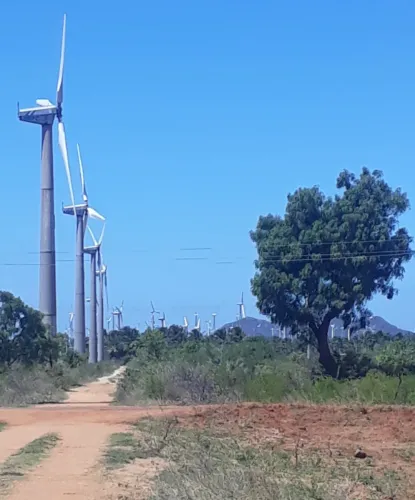
India's estimated gross wind power potential stands at 695.5 GW at 120 metres and 1,163.9 GW at 150 metres above ground level, according to figures compiled by the Ministry of New and Renewable Energy. The bulk of the assessed potential at 150 metres is concentrated in eight high-resource states: Rajasthan (284.2 GW), Gujarat (180.8 GW), Maharashtra (173.9 GW), Karnataka (169.3 GW), Andhra Pradesh (123.3 GW), Tamil Nadu (95.1 GW), Madhya Pradesh (55.4 GW), and Telangana (54.7 GW). More than 900 wind-monitoring stations have been installed nationwide to map resources and identify high-potential sites.
Manufacturing Strength and Grid Integration
India's wind turbine manufacturing capacity has more than doubled, rising from 10 GW in 2014 to approximately 24 GW as of March 2026. The sector has achieved 70-80 per cent indigenisation across key components, with robust domestic supply chains for blades, towers, gearboxes, and critical equipment. Notably, nearly 45 per cent of wind generation occurs during peak demand hours, complementing solar power and strengthening overall grid reliability — a fact that makes wind an increasingly strategic asset in India's energy mix.
The Road Ahead
With the gap between current installed capacity of 56.09 GW and the 2030 target of 100 GW still significant, the pace of annual additions will need to sustain or exceed the record 6.05 GW set in 2025-26. Technological upgrades, diversified deployment models, and deeper grid integration are expected to define the next chapter of India's wind energy story.
Point of View
It is a structural shift. But the 100 GW target by 2030 still requires sustained additions of roughly 5-6 GW annually for four more years, leaving almost no room for the grid bottlenecks and land acquisition delays that have historically plagued the sector. The release of an export-focused industry report at the conference is the more under-reported signal: India is signalling it wants to be a wind turbine supplier to the world, not just a consumer of capacity. Whether domestic manufacturers can compete on price and quality against Chinese incumbents in global markets is the question that will define the next decade of Indian wind energy.
NationPress
14 Sept 2026
Frequently Asked Questions
What is the Global Wind Day 2026 Conference in India?
It is an international wind energy event hosted by India on 16 June 2026 in Goa, under the theme 'Wind Energy: From Ambition to Acceleration'. The conference will bring together government bodies, regulators, and industry leaders to chart India's path to 100 GW of wind capacity by 2030.
What is India's current installed wind power capacity?
India's installed wind capacity stood at 56.09 GW as of March 2026, up from 21.04 GW in March 2014. An additional 28 GW is currently under implementation, placing India fourth globally in installed wind power.
What is India's wind energy target for 2030 and 2036?
India is targeting 100 GW of installed wind capacity by 2030 and 156 GW by 2036, according to official statements. Achieving the 2030 target requires sustaining annual additions close to the record 6.05 GW logged in 2025-26.
Which states have the highest wind energy potential in India?
At 150 metres hub height, Rajasthan leads with 284.2 GW of assessed wind potential, followed by Gujarat (180.8 GW), Maharashtra (173.9 GW), Karnataka (169.3 GW), Andhra Pradesh (123.3 GW), Tamil Nadu (95.1 GW), Madhya Pradesh (55.4 GW), and Telangana (54.7 GW), according to Ministry of New and Renewable Energy data.
How strong is India's domestic wind turbine manufacturing base?
India's wind turbine manufacturing capacity has grown from 10 GW in 2014 to approximately 24 GW as of March 2026. The sector has achieved 70-80 per cent indigenisation across key components including blades, towers, and gearboxes.