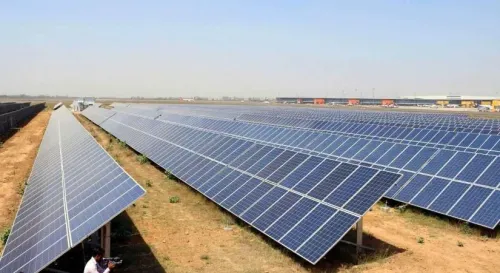
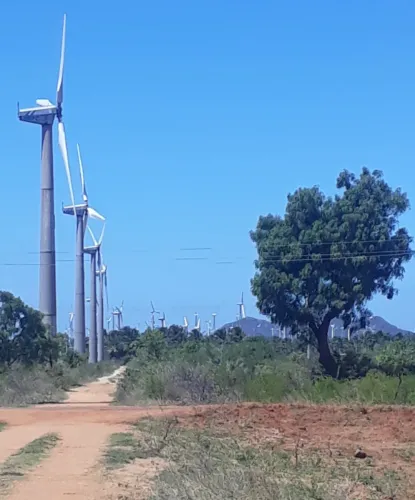
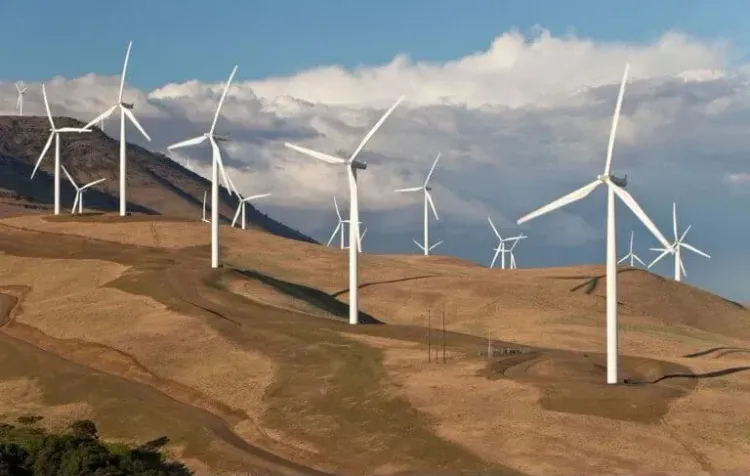
Gujarat leads India with 16,086 MW installed wind power capacity
Synopsis
Gujarat has pulled decisively ahead in India's wind energy race — its 16,086 MW installed capacity and 33,706 MU annual output represent nearly a third of the country's total wind generation. As India chases a 500 GW clean energy target by 2030, Gujarat's policy-execution model is the clearest proof of concept the country has.
Key Takeaways
Gujarat leads India with 16,086 MW of installed wind power capacity as of 30 June 2026 .
The state generated 33,706 million units (MUs) of wind power in FY 2025-26 — nearly one-third of India's total wind output.
India's total installed wind capacity stands at 57,443 MW , with annual generation reaching 106 billion units in FY 2025-26.
Key enablers include the Green Energy Corridor Scheme , ISTS charge waivers , and the National Repowering Policy 2023 .
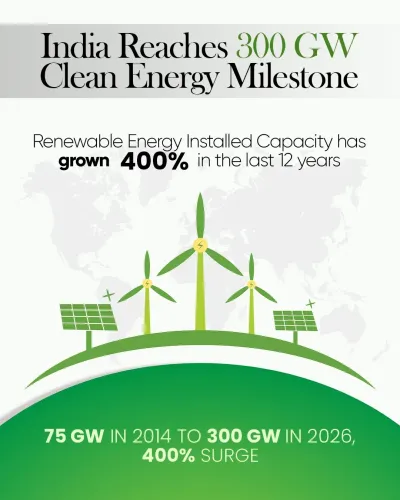
Gujarat's performance is central to India's target of 500 GW non-fossil fuel capacity by 2030 .
Gujarat has cemented its position as India's undisputed wind energy leader, with an installed wind power capacity of 16,086 MW — the highest of any state in the country as of 30 June 2026. The western state accounts for a commanding share of national wind generation, outpacing every other state in both installed base and annual output.
Gujarat's Wind Energy Numbers
According to data released by the Ministry of New and Renewable Energy (MNRE), Gujarat's 16,086 MW of installed wind capacity represents roughly 28% of India's total installed wind base of 57,443 MW. In FY 2025-26, the state generated 33,706 million units (MUs) of wind power — nearly one-third of India's total wind energy output of 106 billion units for the same period.
National Wind Energy Landscape
India's overall installed wind capacity stood at 57,443 MW as of 30 June 2026, with annual generation climbing to 106 billion units in FY 2025-26. Gujarat's contribution has been central to this national milestone. This comes amid India's broader push to achieve 500 GW of non-fossil fuel capacity by 2030 and reduce carbon emissions intensity — targets that increasingly depend on states like Gujarat delivering at scale.
Policy Levers Behind the Growth
Several national and state-level policy measures have underpinned Gujarat's rise. The Green Energy Corridor Scheme enabled the construction of new transmission lines and substations, facilitating smoother evacuation of renewable power. Waivers on Inter-State Transmission System (ISTS) charges have attracted fresh investment into the state. The National Repowering and Life Extension Policy for Wind Power Projects, 2023 has helped modernise ageing wind infrastructure, extending its productive life. On the offshore front, the Offshore Wind Energy Lease Rules, 2023 and the Viability Gap Funding Scheme for Offshore Wind Projects have opened new avenues for capacity expansion beyond the coastline.
What This Means for India's 2030 Targets
Gujarat's performance carries significant weight for India's climate commitments. The country has pledged to reach 500 GW of non-fossil fuel installed capacity by 2030, and wind energy — alongside solar — is central to that roadmap. With Gujarat already generating nearly a third of national wind output, the state's grid integration, investor ecosystem, and policy execution are increasingly being cited as a replicable model for other states. Notably, the state's proactive alignment with central government renewable energy policies has ensured minimal grid evacuation bottlenecks — a challenge that has hampered wind expansion elsewhere in the country.
Outlook
With offshore wind rules now in place and repowering of older turbines underway, Gujarat's installed capacity is expected to grow further in the near term. Industry observers will watch whether other high-potential states — including Tamil Nadu, Rajasthan, and Andhra Pradesh — can close the gap, or whether Gujarat consolidates its lead as India accelerates toward its 2030 clean energy goals.
Point of View
But the headline numbers warrant scrutiny of what comes next. Installed capacity and generation are lagging indicators — the harder question is whether Gujarat's offshore wind pipeline, enabled by the 2023 lease rules and viability gap funding, will translate into actual commissioning before 2030. India's 500 GW target is ambitious, and the country's track record on offshore wind is thin. Gujarat has built the onshore model; it now needs to prove the offshore one. Other states with comparable wind resources — Tamil Nadu and Andhra Pradesh in particular — have not matched Gujarat's policy consistency, which suggests the gap is as much about governance as geography.
NationPress
27 Oct 2026
Frequently Asked Questions
What is Gujarat's installed wind power capacity as of 2026?
Gujarat's installed wind power capacity stands at 16,086 MW as of 30 June 2026, according to data from the Ministry of New and Renewable Energy. This makes it the highest of any state in India and accounts for roughly 28% of the country's total installed wind base of 57,443 MW.
How much wind energy did Gujarat generate in FY 2025-26?
Gujarat generated 33,706 million units (MUs) of wind power in FY 2025-26, representing nearly one-third of India's total wind energy output of 106 billion units for the same period.
What is India's total installed wind energy capacity?
India's total installed wind energy capacity stood at 57,443 MW as of 30 June 2026, with annual wind generation reaching 106 billion units in FY 2025-26, according to government data.
Which policies have driven Gujarat's wind energy growth?
Key policy drivers include the Green Energy Corridor Scheme for transmission infrastructure, waivers on Inter-State Transmission System (ISTS) charges to attract investment, the National Repowering and Life Extension Policy for Wind Power Projects 2023, and the Offshore Wind Energy Lease Rules 2023 along with the Viability Gap Funding Scheme for offshore projects.
How does Gujarat's wind energy output connect to India's 2030 targets?
India aims to achieve 500 GW of non-fossil fuel installed capacity by 2030. Gujarat's near-one-third share of national wind generation makes it a critical contributor to this target, and its policy and grid-integration model is increasingly viewed as a benchmark for other states to follow.