Gujarat leads India in wind power with 16,086 MW capacity, one-third of national output
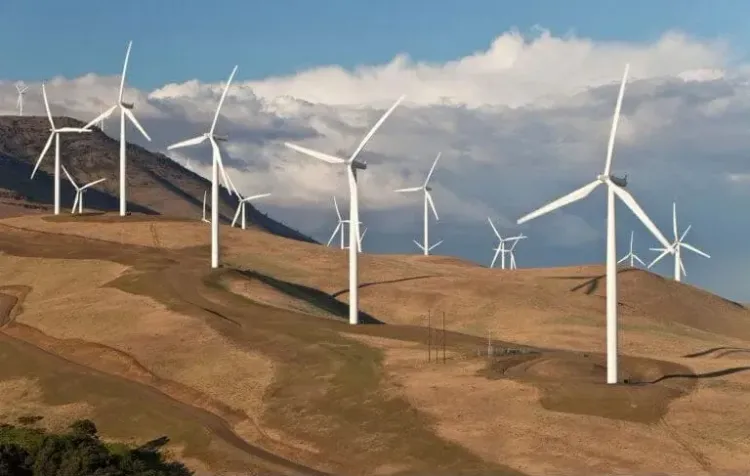
Synopsis
Gujarat is not just leading India's wind energy race — it is running away with it. With 16,086 MW installed and nearly one-third of national wind generation in FY 2025-26, the state's coastal geography and layered policy support have built a structural advantage that other states have yet to close. Offshore wind could make the gap even wider.
Key Takeaways
Gujarat had India's highest wind energy installed capacity at 16,086 MW as of 30 June 2026 , according to MNRE data.
The state generated 33,706 million units (MUs) of wind power in FY 2025-26 , nearly one-third of India's total wind output.
India's total installed wind capacity stood at 57,443 MW ; national wind generation reached 106 billion units in FY 2025-26.
The Green Energy Corridor Scheme and ISTS charge waivers have been key policy enablers for Gujarat's wind growth.
The National Repowering Policy, 2023 and Offshore Wind Energy Lease Rules, 2023 are set to drive the next phase of expansion.
Gujarat's wind growth supports India's target of 500 GW non-fossil fuel capacity by 2030 .
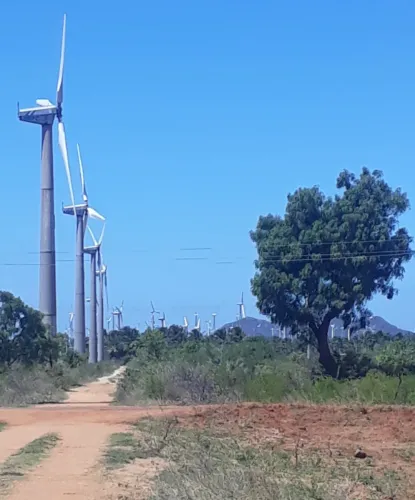
Gujarat has cemented its position as India's top wind energy state, with an installed capacity of 16,086 MW as of 30 June 2026 — the highest of any state in the country, according to data released by the Ministry of New and Renewable Energy (MNRE). The state also generated 33,706 million units (MUs) of wind power during FY 2025-26, accounting for nearly one-third of India's total wind energy output for the year.
Gujarat's Share in National Wind Energy
India's aggregate installed wind energy capacity stood at 57,443 MW as of June 2026, with overall wind power generation reaching 106 billion units during FY 2025-26. Gujarat's 16,086 MW installed base represents roughly 28% of that national total, and its generation share of nearly one-third underscores how disproportionately the state contributes to the country's clean energy mix. No other state comes close on either metric, according to MNRE data.
Infrastructure and Policy Drivers
Gujarat's wind energy growth has been underpinned by a combination of infrastructure investment and enabling policy. The Green Energy Corridor Scheme has facilitated dedicated transmission lines and substations to efficiently evacuate renewable power to the national grid. Waivers on Inter State Transmission System (ISTS) charges have further incentivised investment in the sector by reducing the cost burden on developers.
The National Repowering and Life Extension Policy for Wind Power Projects, 2023 is also playing a role, focusing on upgrading ageing wind installations to extract greater output from existing sites. Looking ahead, the Offshore Wind Energy Lease Rules, 2023 and the Viability Gap Funding Scheme for Offshore Wind Projects are opening new frontiers for development along Gujarat's extensive coastline.
Why Gujarat's Geography is an Advantage
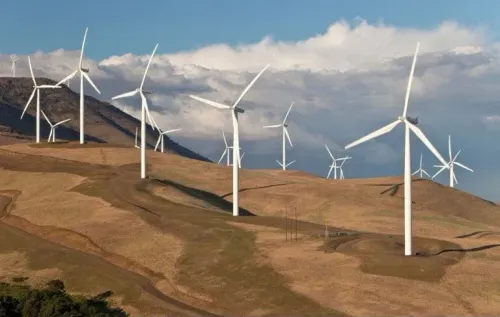
The state's long coastal geography and consistently favourable wind conditions have historically made it a natural hub for large-scale wind power projects. These physical advantages, combined with proactive state-level policy support and grid integration efforts, have allowed Gujarat to attract sustained private investment in the sector. This is not a recent phenomenon — Gujarat has been among the top wind states for over a decade — but the scale of its lead has widened considerably in recent years.
Alignment with India's 2030 Renewable Energy Goals
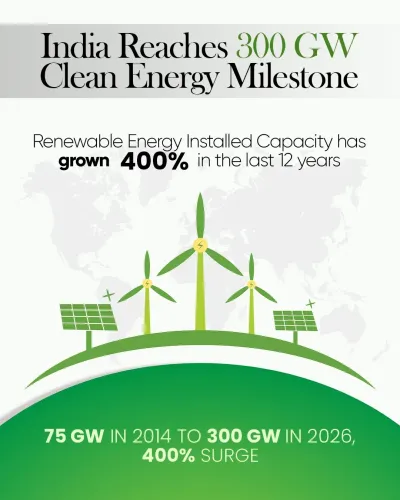
Gujarat's trajectory is directly relevant to India's national target of achieving 500 GW of non-fossil fuel-based energy capacity by 2030, as well as the broader objective of reducing the carbon intensity of the economy. With wind energy contributing 106 billion units nationally in FY 2025-26, the sector is becoming a critical pillar alongside solar in India's energy transition. Notably, Gujarat's offshore wind potential — still largely untapped — could add significantly to these numbers in the coming years if policy execution keeps pace with ambition.
The state government has attributed Gujarat's progress to coordinated policy implementation, infrastructure development, and the systematic integration of renewable power into the electricity network. With offshore rules now in place and repowering policies active, the next phase of Gujarat's wind story is already in motion.
Point of View
But the headline numbers deserve scrutiny on what comes next. The state's installed base is large partly because it got there early — the question is whether repowering ageing turbines and unlocking offshore potential will sustain that lead as Rajasthan and Tamil Nadu scale up. India's 500 GW target by 2030 requires every major wind state to accelerate, not just Gujarat. The ISTS waiver has been a genuine demand-side lever, but it is a temporary instrument; when it lapses, the investment calculus for new projects changes. Offshore wind, meanwhile, remains almost entirely on paper — the lease rules exist, the viability gap funding exists, but no large-scale offshore capacity has been commissioned. That gap between policy and execution is the real story beneath the record numbers.
NationPress
27 Oct 2026
Frequently Asked Questions
Which state has the highest wind energy capacity in India?
Gujarat has the highest installed wind energy capacity in India at 16,086 MW as of 30 June 2026, according to data from the Ministry of New and Renewable Energy. It also leads in wind power generation, producing 33,706 million units in FY 2025-26.
How much wind power did India generate in FY 2025-26?
India generated 106 billion units of wind power during FY 2025-26, with Gujarat alone contributing approximately one-third of that total. The country's total installed wind capacity stood at 57,443 MW as of June 2026.
What policies have supported Gujarat's wind energy growth?
Key policy enablers include the Green Energy Corridor Scheme for dedicated transmission infrastructure, waivers on Inter State Transmission System (ISTS) charges, the National Repowering and Life Extension Policy for Wind Power Projects, 2023, and the Offshore Wind Energy Lease Rules, 2023, along with a Viability Gap Funding Scheme for offshore projects.
How does Gujarat's wind energy contribute to India's 2030 renewable energy target?
India aims to achieve 500 GW of non-fossil fuel-based energy capacity by 2030. Gujarat's leading position in wind energy — both in installed capacity and generation — is a significant contributor to this national goal, with its offshore wind potential offering additional headroom for future growth.
What is the significance of the National Repowering Policy for Wind Power Projects, 2023?
The National Repowering and Life Extension Policy for Wind Power Projects, 2023 focuses on upgrading existing, older wind installations to generate greater output from the same sites. For Gujarat, which has a large base of older turbines, this policy is expected to improve efficiency and extend the productive life of existing assets.