Price of Premium Petrol Surges by Rs 2 Amid Global Tensions
Synopsis
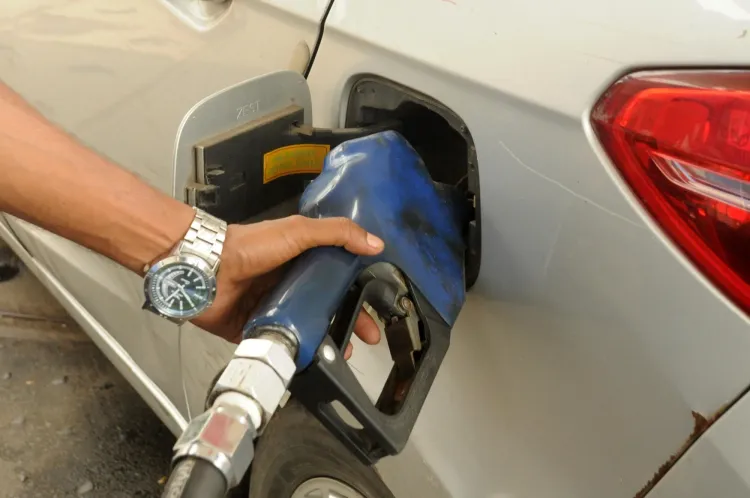
In a significant move, oil marketing companies have raised premium petrol prices by Rs 2 per litre, reflecting the impact of rising global crude oil prices driven by geopolitical tensions in West Asia. Regular fuel rates remain unchanged, providing a measure of relief for consumers.
Key Takeaways
Premium petrol prices increased by Rs 2 effective March 20.
Regular petrol and diesel prices remain unchanged.
The hike reflects rising global crude oil prices .
India imports about 90% of its crude oil, making it susceptible to global price changes.
Further adjustments in fuel pricing could occur if tensions persist.
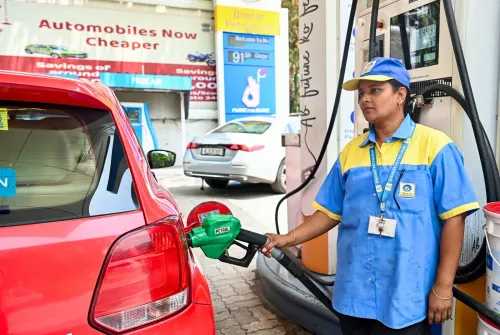
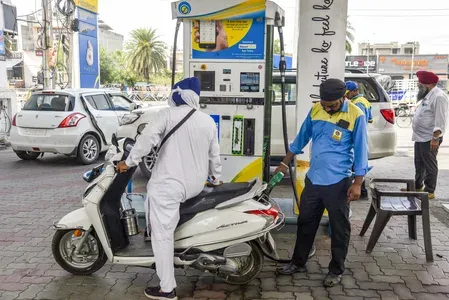
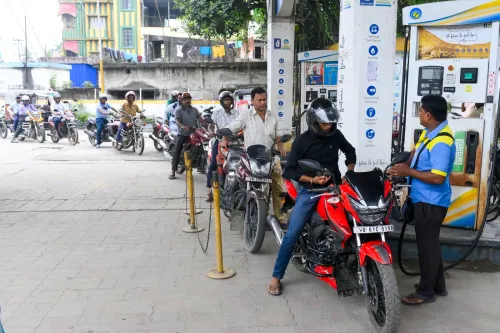
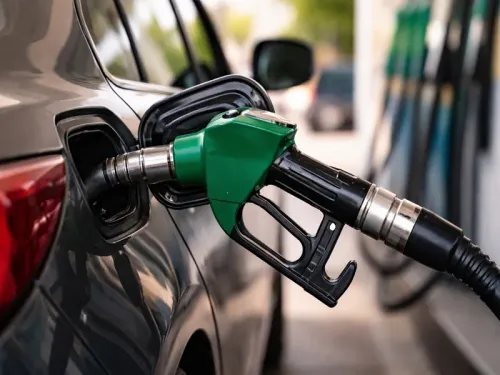
New Delhi, March 20 (NationPress) In a recent announcement, oil marketing firms have raised the cost of premium petrol by approximately Rs 2 per litre effective from March 20. This adjustment comes as a result of escalating global crude prices, which have been influenced by intensifying geopolitical tensions in West Asia.
State-owned oil marketing entities, including Hindustan Petroleum Corporation Limited and Indian Oil Corporation Limited, have adjusted the prices of their premium petrol offerings by about Rs 2.09 to Rs 2.35 per litre.
Following this update, the price for premium fuels such as Power petrol and XP95 has risen from approximately Rs 111.68 per litre to nearly Rs 113.77 per litre.
Notably, there has been no alteration in the pricing of regular petrol and diesel, which provides some relief to consumers amid ongoing concerns regarding fuel costs.
The increase in premium petrol prices coincides with significant fluctuations in global crude oil markets, driven by geopolitical instability in West Asia.
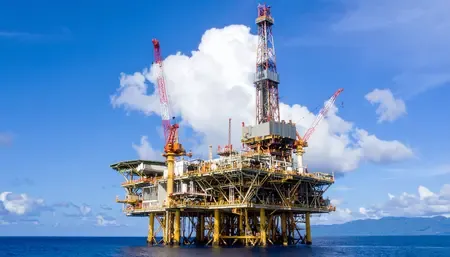
On March 19, oil prices jumped by more than 4 percent following assaults on critical energy infrastructure in the region.
Brent crude futures have seen a rise to around $111.78 per barrel, while the US benchmark, West Texas Intermediate (WTI), has surged to nearly $99.57 per barrel.
This surge was triggered by Israel's attack on Iran's South Pars gas field, the largest in the world, along with Iran's reported counteractions targeting Qatar’s Ras Laffan industrial city—a key global gas center.
The escalating conflict poses serious concerns for global energy security, with experts cautioning that disruptions in the Gulf could affect oil supply chains worldwide.
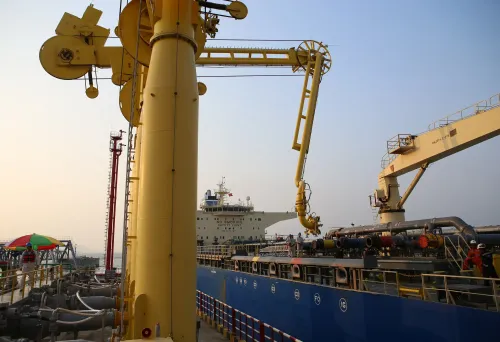
For India, which imports about 90 percent of its crude oil, these developments have direct consequences on fuel pricing.
While regular fuel prices remain stable for now, the uptick in premium petrol indicates the pressure from increasing global crude rates.
Industry analysts suggest that if tensions persist and oil prices continue to rise, domestic fuel prices may experience further revisions in the weeks ahead.
Point of View
I find the recent hike in premium petrol prices concerning but not entirely unexpected given the current geopolitical climate. While it's a relief that regular fuel prices remain stable, the potential for future adjustments looms large, especially with global crude prices fluctuating. It’s critical for consumers to remain informed and prepared for possible changes ahead.
NationPress
10 Oct 2026
Frequently Asked Questions
Why did premium petrol prices increase?
Premium petrol prices rose due to an increase in global crude oil prices, influenced by geopolitical tensions in West Asia.
Is the price of regular petrol affected?
No, the prices of regular petrol and diesel remain unchanged despite the increase in premium petrol prices.
How much has the price of premium petrol increased?
The price of premium petrol has increased by approximately Rs 2 per litre.
What are the implications of rising crude oil prices for India?
As India imports nearly 90% of its crude oil, rising global prices directly impact domestic fuel pricing.
Could there be further changes in fuel prices?
Yes, if geopolitical tensions persist and global oil prices remain high, domestic fuel prices may be adjusted further.