President Murmu's visit to Moldova, North Macedonia, Romania: India's Eastern Europe push
Synopsis
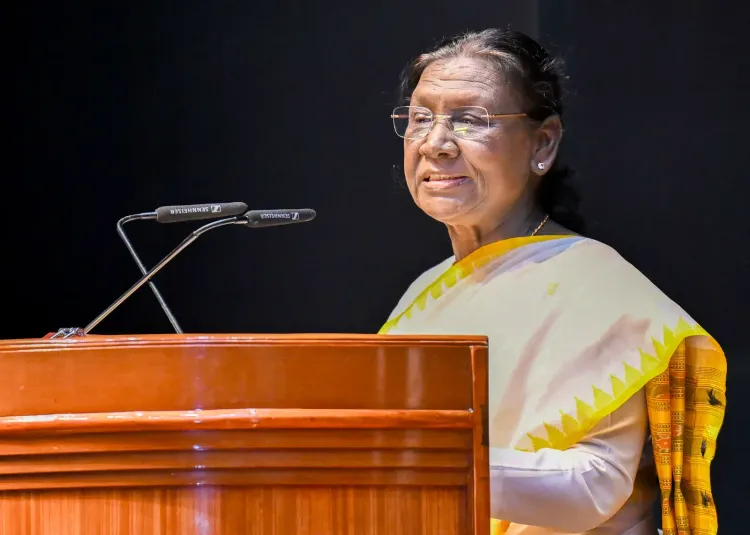
President Droupadi Murmu's upcoming three-nation Europe tour is more than a diplomatic courtesy call — it marks India's first-ever presidential bilateral visits to Moldova and North Macedonia, and the first State Visit to Romania in over 30 years. The MEA frames it squarely around trade corridors, technology, and tourism, signalling a deliberate push to embed India into Central and Eastern Europe's economic architecture.
Key Takeaways
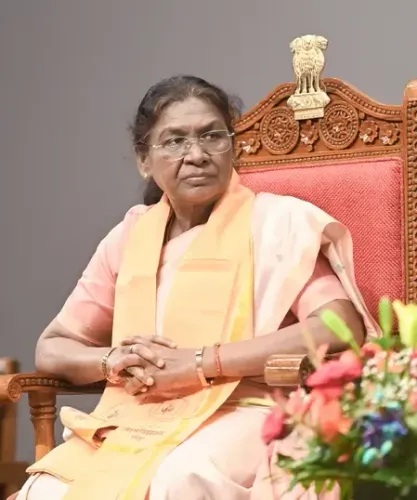
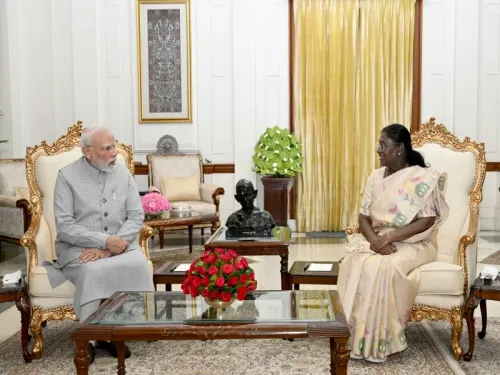
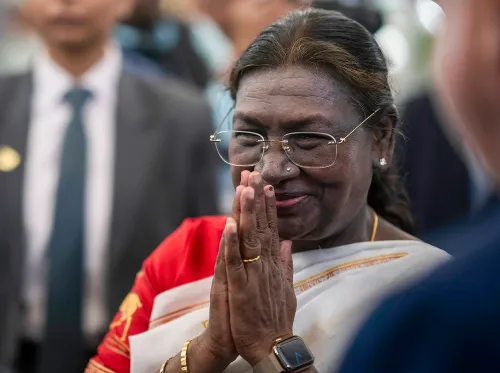
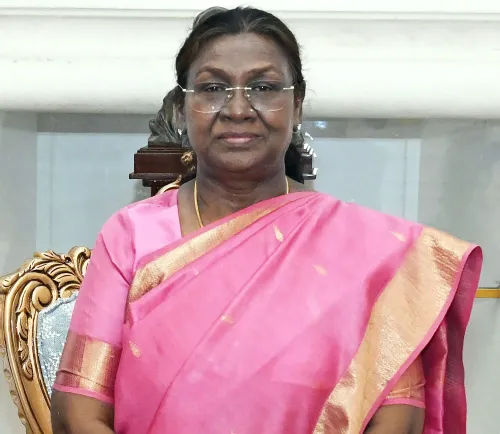
President Droupadi Murmu will visit Moldova , North Macedonia , and Romania in an upcoming three-nation tour.
This will be the first-ever bilateral visit by an Indian President to Moldova and North Macedonia .
The Romania leg will be India's first Presidential State Visit there in over 30 years , since 1994 .
MEA Secretary Sibi George cited the 'three Ts — Trade , Technology , and Tourism ' as the core agenda.
The three nations are positioned as a transport and energy corridor linking Southeastern and Central Europe, offering Indian businesses a gateway to wider European markets.
President Droupadi Murmu is set to undertake a three-nation visit to Moldova, North Macedonia, and Romania, signalling India's deepening diplomatic footprint in Central and Eastern Europe. Sibi George, Secretary (West) at the Ministry of External Affairs (MEA), outlined the strategic rationale behind the tour during a special briefing on Friday, 17 July.
Historic Firsts on the Itinerary
The visit carries considerable diplomatic weight. According to Secretary George, this will mark the first-ever bilateral visits by an Indian President to both Moldova and North Macedonia. The stop in Romania will be the first State Visit by an Indian President in over three decades — the last such visit having taken place in 1994.
India's Strategic Case for Central and Eastern Europe
'The three-nation visits reflect India's growing engagement with Central and Eastern Europe and reaffirm our commitment to strengthening our partnerships with the countries in the region,' Secretary George said. He added that the tour 'complements India's broader engagement with Europe and the strategic partnership with the European Union.'
The MEA underscored the geo-strategic value of the three nations, noting their position 'at the crossroads of major transport routes with well-developed highways, rail, and energy corridors linking Southeastern and Central Europe.' This, according to George, makes them 'a natural transport corridor through the Balkans, providing access to the wider European markets.'
Trade, Technology and Tourism: The Three Ts
A central theme of the visit is economic partnership. The MEA Secretary highlighted that all three countries are keen to position themselves as gateways for Indian businesses into the Western Balkans and broader Europe. 'The visit would provide a significant opportunity for the businesses from both sides to strengthen bilateral economic ties,' he said, framing the agenda around what he called the 'three Ts: Trade, Technology, and Tourism.'
Notably, the region's existing infrastructure — spanning road, rail, and energy networks — gives it outsized relevance for Indian firms looking to access European supply chains and distribution networks.
Broader Context: India's European Diplomacy
This visit comes amid India's sustained push to diversify its diplomatic and trade relationships across Europe, beyond its traditional anchors in Western Europe. Engagement with Central and Eastern European nations has gathered pace in recent years, reflecting both India's growing global stature and the region's interest in attracting non-Western investment and partnerships. The Murmu visit is expected to result in bilateral agreements and business-to-business engagements that could lay the groundwork for deeper institutional ties.
The outcomes of this tour will be closely watched as a signal of how far India's European outreach can extend beyond its established partnerships.
Point of View
India's European diplomacy was concentrated in the West; this tour signals a deliberate rebalancing toward the EU's eastern flank, where infrastructure corridors, energy networks, and manufacturing capacity are expanding fast. The 'three Ts' framing is tidy, but the harder question is whether India can convert diplomatic goodwill into durable trade flows — something that has eluded many previous high-level visits to smaller European nations. The 30-year gap since India's last State Visit to Romania is itself a measure of how much ground needs to be recovered.
NationPress
17 Jul 2026
Frequently Asked Questions
Where is President Droupadi Murmu visiting on her upcoming Europe tour?
President Murmu is scheduled to visit Moldova, North Macedonia, and Romania. The tour marks historic firsts for India-Europe presidential diplomacy.
Why is President Murmu's visit to Moldova and North Macedonia historically significant?
These will be the first-ever bilateral visits by an Indian President to Moldova and North Macedonia. The visit to Romania will also be India's first Presidential State Visit there since 1994 — a gap of over three decades.
What is the agenda for President Murmu's three-nation Europe visit?
The MEA has outlined the 'three Ts' — Trade, Technology, and Tourism — as the core agenda. Business-to-business engagements and bilateral agreements are expected, with the three nations positioning themselves as gateways for Indian firms into Western Balkans and European markets.
What is India's strategic interest in Central and Eastern Europe?
According to MEA Secretary Sibi George, Central and Eastern European nations sit at the crossroads of major transport, rail, and energy corridors linking Southeastern and Central Europe. India sees them as natural conduits for accessing wider European markets and supply chains.
How does this visit fit into India's broader European diplomacy?
The MEA described the visit as complementing India's broader engagement with Europe and its strategic partnership with the European Union. It reflects India's push to diversify diplomatic and economic ties beyond traditional Western European partners.