Navroz 2025: Murmu, Modi hail Parsi community's legacy on Parsi New Year
Synopsis
On Parsi New Year, both the President and Prime Minister took to X to honour the Zoroastrian community — a small but historically outsized contributor to Indian enterprise and philanthropy. Their messages reflect India's constitutional commitment to pluralism, even as the Parsi population continues to decline.
Key Takeaways
President Droupadi Murmu and Prime Minister Narendra Modi extended Navroz greetings on Saturday via posts on X .
President Murmu described Navroz as a festival symbolising 'new beginnings and renewed hope' and praised the community's enterprise and philanthropy .
PM Modi called the Parsi community's contribution 'remarkable' and wished the nation 'Navroz Mubarak!' Parsis in India follow the Shahenshahi calendar , placing Navroz in July or August rather than the traditional March equinox .
Navroz traces its origins to Prophet Zarathustra and Zoroastrianism , one of the world's earliest monotheistic religions.
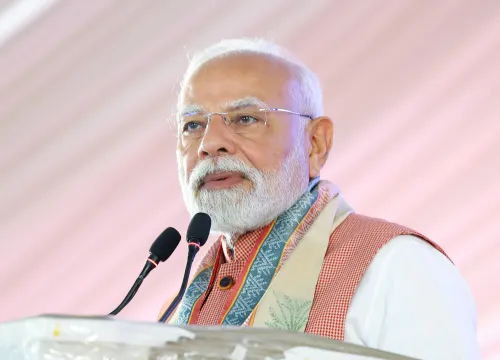
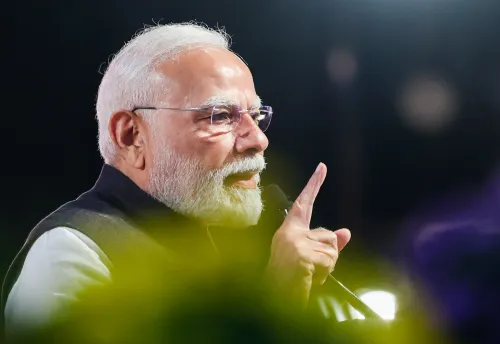
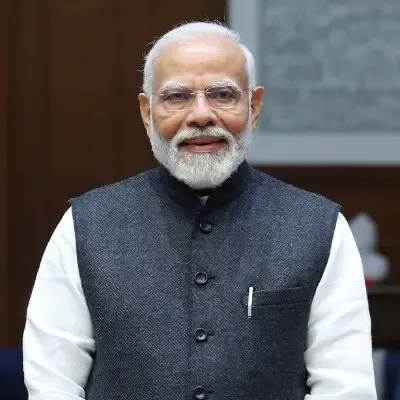
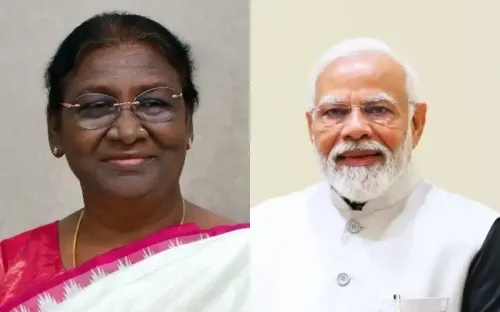
President Droupadi Murmu and Prime Minister Narendra Modi on Saturday extended Navroz greetings to the nation, paying tribute to the Parsi community's enduring contributions to India's development across sectors. Both leaders shared their messages on X, underscoring the significance of the occasion for citizens at home and abroad.
What the President Said
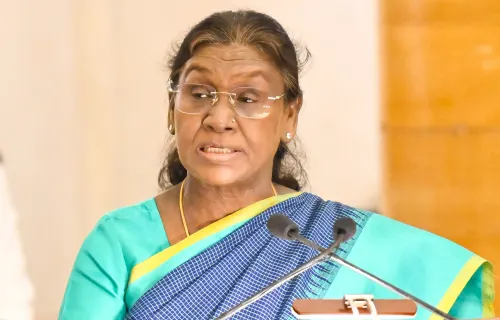
Taking to X, President Murmu conveyed warm wishes to all fellow citizens, with a special mention of 'Parsi brothers and sisters.' She described Navroz as a festival that 'symbolises new beginnings and renewed hope,' adding that it 'reminds us of the values of co-existence and service to humanity.'
The President highlighted the community's spirit of enterprise and philanthropy, expressing confidence that the festival would 'inspire all citizens to work together towards building an inclusive and developed India.' She concluded with a wish for 'happiness, peace and prosperity to all.'
PM Modi's Message
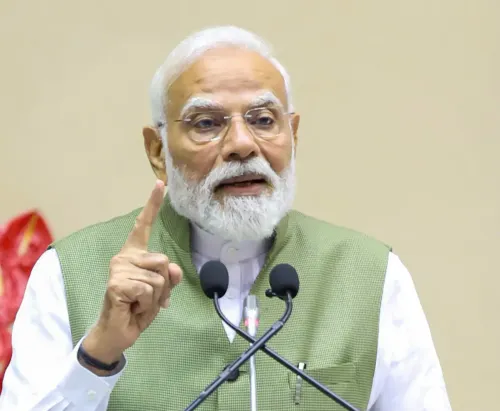
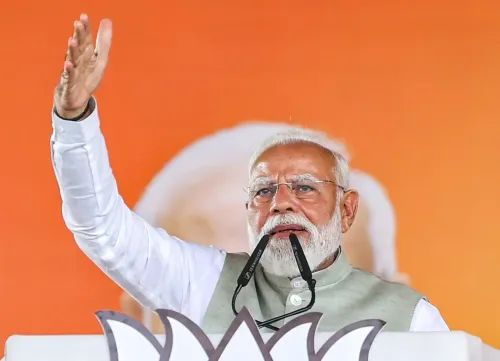
Prime Minister Modi also posted his greetings on X, acknowledging the community's 'remarkable contribution across sectors' that has 'enriched our nation in countless ways.' He wished everyone 'peace, joy, prosperity and good health' for the year ahead, signing off with 'Navroz Mubarak!'
The Significance of Navroz
Parsi New Year, celebrated as Navroz or Nowruz, marks the arrival of spring and the renewal of nature. The word originates from Persian — 'Nav' meaning new and 'Roz' meaning day — together signifying a 'new day.' While the festival is traditionally linked to the March equinox, Parsis in India follow the Shahenshahi calendar, which places the celebration in July or August.
Roots in Zoroastrianism
The origins of Navroz trace back to the time of Prophet Zarathustra, the founder of Zoroastrianism — one of the earliest known monotheistic religions, rooted in Persia, now modern-day Iran. Zoroastrianism was a major faith of the ancient world before the rise of Islam in the seventh century. Today, the festival continues to be observed across India with devotion, embodying values of renewal, unity, and cultural heritage.
The Parsi Legacy in India
Despite being a small community, Parsis have left an outsized imprint on Indian industry, philanthropy, law, and the arts. From the Tata industrial legacy to contributions in science and public service, the community's influence has been disproportionate to its size. Navroz serves as an annual reminder of that legacy, and the greetings from the nation's highest constitutional offices reflect the community's standing in India's pluralistic fabric.
Point of View
But they carry weight in the current political climate. The Parsi community — numbering fewer than 60,000 by most estimates — punches far above its demographic weight in Indian commerce and public life, and its continued demographic decline is a quiet policy concern. That neither message addressed this challenge is notable. Navroz greetings are welcome; a serious conversation about community preservation would be more consequential.
NationPress
15 Aug 2026
Frequently Asked Questions
What is Navroz and why is it celebrated?
Navroz, also known as Nowruz, is the Parsi New Year marking the arrival of spring and the renewal of nature. The word comes from Persian, meaning 'new day,' and the festival traces its roots to Prophet Zarathustra and the ancient religion of Zoroastrianism.
Why do Parsis in India celebrate Navroz in July or August?
Parsis in India follow the Shahenshahi calendar, which diverges from the traditional March equinox date observed in Iran and Central Asia. This calendar shift places the Parsi New Year in July or August each year.
What did President Murmu say on Navroz 2025?
President Droupadi Murmu posted on X that Navroz 'symbolises new beginnings and renewed hope' and praised the Parsi community's spirit of enterprise and philanthropy. She expressed confidence the festival would inspire citizens to build an inclusive and developed India.
What did PM Modi say on Parsi New Year?
PM Modi posted on X acknowledging the Parsi community's 'remarkable contribution across sectors' and wished everyone peace, joy, prosperity, and good health, signing off with 'Navroz Mubarak!'
What is the historical significance of Zoroastrianism?
Zoroastrianism, founded by Prophet Zarathustra in ancient Persia — modern-day Iran — is one of the earliest known monotheistic religions. It was a dominant faith of the ancient world before the rise of Islam in the seventh century, and its followers, the Parsis, migrated to India centuries ago.