How are President Murmu and PM Modi Celebrating Christmas?
Synopsis
On December 25, President Droupadi Murmu and Prime Minister Narendra Modi shared heartfelt Christmas greetings with the nation. Their messages emphasized the core values of love, compassion, peace, and harmony, urging everyone to follow the teachings of Jesus Christ and foster unity in society.
Key Takeaways
Droupadi Murmu and Narendra Modi send Christmas wishes promoting core values.
Christmas symbolizes love , compassion , peace , and harmony .
The holiday encourages acts of kindness and generosity .
Christmas unites families and communities worldwide.
Traditions blend Christian and ancient winter customs.
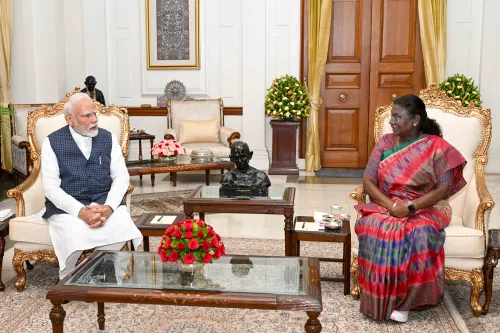
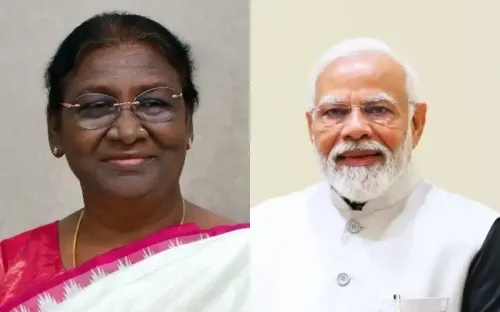
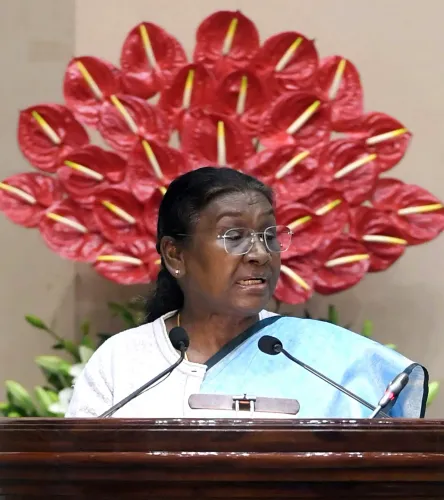
New Delhi, Dec 25 (NationPress) President Droupadi Murmu and Prime Minister Narendra Modi on Thursday conveyed heartfelt greetings and best wishes to the nation during the festive season of Christmas, underscoring the holiday’s core values of love, compassion, peace, and harmony.
President Murmu utilized the social media platform 'X' to express, "MERRY CHRISTMAS. On this momentous occasion of Christmas, I send my warmest greetings and best wishes to all citizens, particularly our brothers and sisters in the Christian community."
She emphasized, "Christmas, a festival of joy and enthusiasm, embodies the spirit of love and compassion. It serves as a reminder of the sacrifices made by Lord Jesus Christ for the benefit of humanity. This holy celebration encourages us to further uphold the values of peace, harmony, equality, and service to society."
The President also called on the public to commit to following the teachings of Jesus Christ and to strive towards creating a community that fosters kindness and mutual respect.
In a similar vein, Prime Minister Modi shared his Christmas wishes on the social media platform X, extending his greetings to everyone, especially to the Christian community. He stated, "Wishing all a joyous Christmas filled with peace, compassion, and hope. May the teachings of Jesus Christ reinforce harmony in our society."
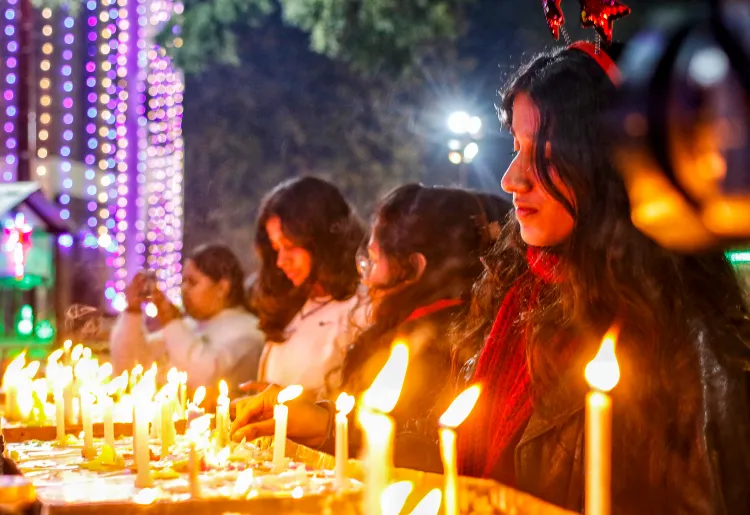
Christmas is among the most beloved festivals globally, celebrated with love, joy, and a spirit of togetherness. This occasion unites families, inspires acts of generosity and kindness, and reminds individuals of the fundamental essence of giving. From exchanging Christmas greetings to adorning trees and engaging in community events, the celebrations capture a sense of unity that surpasses cultural and religious divides.
Observed annually on December 25, Christmas commemorates the birth of Jesus Christ and is linked with themes of hope, peace, forgiveness, and love. While primarily a Christian religious celebration, its universal message has led to its widespread acceptance among diverse populations.
The holiday blends Christian beliefs with ancient winter customs. Although the Bible does not specify Jesus’ birth date, early Christians selected December 25 to coincide with pre-existing winter festivities. In ancient Rome, events like Saturnalia were celebrated around the winter solstice, featuring feasting, gift exchanges, and joyful gatherings.
By the 4th century, Christmas was officially recognized as a Christian festival. As it expanded across Europe and later to other regions, local traditions merged with religious practices. Customs such as decorating evergreen trees, exchanging gifts, singing carols, and celebrating with family gradually became essential elements of Christmas festivities.
Today, Christmas is recognized not only as a religious event but also as a cultural festival that promotes the values of love, peace, generosity, and togetherness across communities worldwide.
Point of View
It is vital to recognize that the Christmas season not only celebrates a significant religious event but also promotes values that resonate across various communities. The messages from President Murmu and PM Modi reflect a commitment to fostering unity and compassion in a diverse society, reminding us all of our shared humanity. The holiday serves as a call to action for individuals to embody these principles in their daily lives.
NationPress
20 Sept 2026
Frequently Asked Questions
What does Christmas celebrate?
Christmas celebrates the birth of Jesus Christ and embodies themes of hope, peace, forgiveness, and love. It has become a global celebration embraced by people from diverse backgrounds.
Why do President Murmu and PM Modi send Christmas greetings?
President Murmu and Prime Minister Modi send Christmas greetings to promote the values of love, compassion, and harmony, encouraging citizens to unite and follow the teachings of Jesus Christ.
How is Christmas celebrated worldwide?
Christmas is celebrated globally with various traditions, including decorating trees, exchanging gifts, singing carols, and participating in community gatherings, all reflecting a spirit of unity and generosity.
What is the historical significance of December 25?
December 25 was chosen by early Christians to celebrate the birth of Jesus Christ and align with existing winter solstice festivals, merging Christian beliefs with ancient traditions.
What are some common Christmas traditions?
Common Christmas traditions include decorating evergreen trees, exchanging gifts, attending church services, and sharing festive meals with family and friends.