Priyanka Gandhi condoles Kerala rain deaths, urges UDF workers to aid relief
Synopsis
Congress general secretary and Wayanad MP Priyanka Gandhi Vadra expressed condolences over Kerala rain deaths on 2 August 2026, highlighted Congress-led UDF relief efforts, and urged party workers to extend all possible support to those affected.
Key Takeaways
Priyanka Gandhi Vadra , Congress general secretary and Lok Sabha MP from Wayanad, Kerala , posted a condolence message on 2 August 2026 over devastating rains in Kerala.
She offered condolences to families of the deceased and prayed for the safe return of the missing and recovery of the injured.
Priyanka stated the Congress-led UDF government is conducting relief and rescue operations on the ground in Kerala.
She directly urged all Congress and UDF workers to stand with affected people and provide every possible support.
Kerala has a history of severe monsoon disasters, most notably the catastrophic 2018 floods , and disaster response is a key political metric in the state.
As Wayanad MP, Priyanka represents a landslide-prone constituency with direct exposure to monsoon-related disasters.
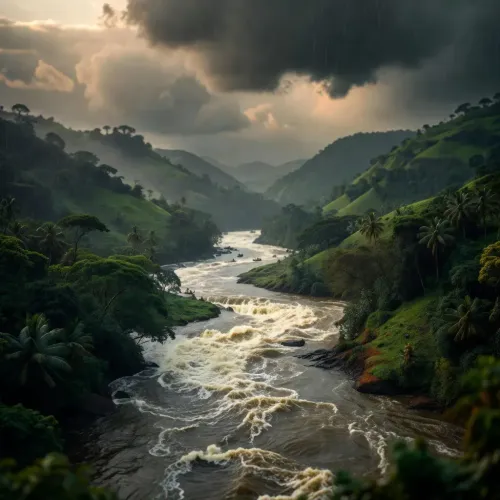
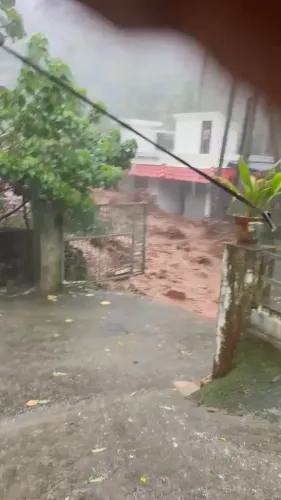
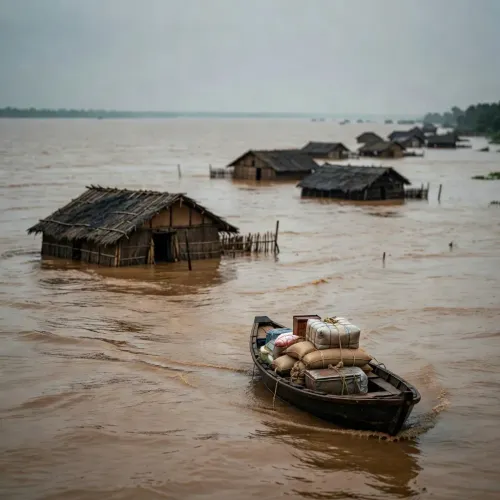
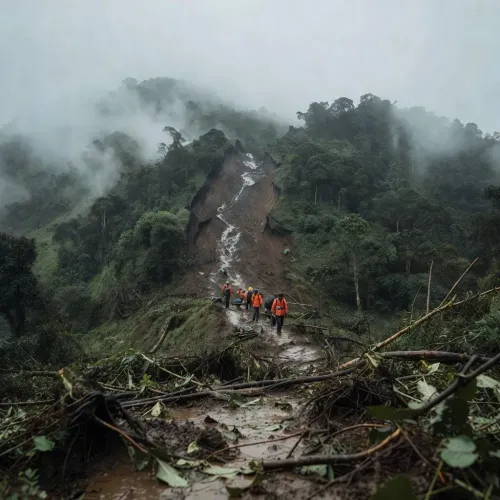
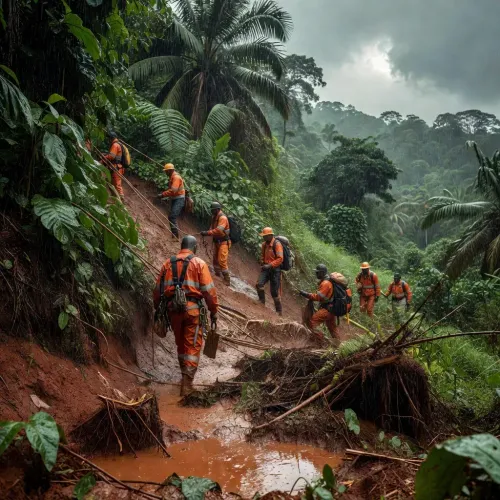
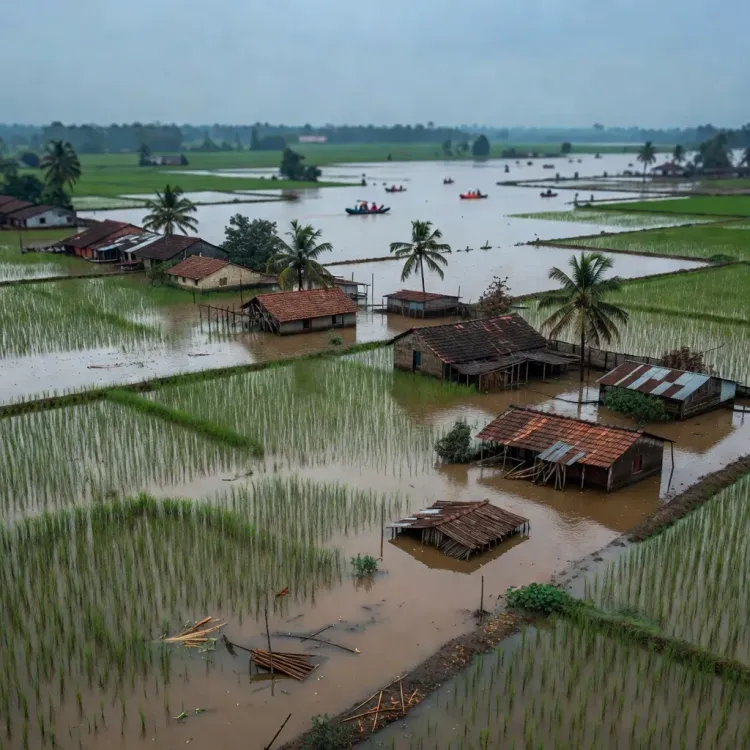
Devastating rains have once again swept through Kerala, claiming lives and leaving families searching for missing loved ones — and Congress general secretary Priyanka Gandhi Vadra on Sunday, 2 August 2026, reached out to the bereaved with a message of solidarity and a direct call to action for party workers on the ground.
Posting on X, Priyanka wrote: 'My heart goes out to the people of Kerala affected by the devastating rains. My deepest condolences to the families who have lost loved ones. I pray for the safe return of those who are missing and a speedy recovery for the injured.'
The statement did not stop at condolence. Priyanka explicitly flagged that the Congress-led UDF (United Democratic Front) government is 'on the ground carrying out relief and rescue work,' and called on all Congress and UDF workers to 'stand with those affected and extend every possible support.'
Kerala's recurring monsoon crisis
Kerala sits at the sharp end of India's monsoon geography. The state's catastrophic 2018 floods — among the worst in nearly a century — forced mass evacuations, destroyed infrastructure, and prompted a massive state-led rescue operation backed by central assistance. Landslides and flash floods have remained a near-annual threat in the decades since, testing whichever alliance holds power in Thiruvananthapuram.
Kerala politics is defined by the alternating contest between the UDF — anchored by the Indian National Congress — and the Left Democratic Front (LDF). Disaster response has become a key metric on which both alliances are judged by voters, making statements like Priyanka's as much a governance signal as a humanitarian one.
Wayanad MP speaks for a constituency that knows flood grief
Priyanka's voice carries particular weight here. As the Lok Sabha MP from Wayanad — a hilly, landslide-prone district in northern Kerala — she represents a constituency that has suffered acutely in past monsoon disasters. Her call for worker mobilisation is therefore not abstract: it is a direct instruction to a party network that has local roots in the affected terrain.
Casualty figures, the scale of displacement, and any formal request for NDRF (National Disaster Response Force) deployment or central relief packages are expected to emerge in the hours and days ahead. What is already clear is that the political machinery — alongside the state's emergency services — has been put on notice to move.
For the families still waiting for news of the missing, the machinery needs to move fast.
Point of View
She frames the party not merely as a sympathiser but as the governing force managing the crisis — a distinction that carries weight in a state where disaster management is a live electoral issue. Her Wayanad constituency gives the statement geographic credibility that a Delhi-based leader's post would lack. The call to mobilise party workers also signals that the Congress apparatus intends to make its relief presence visible, a pattern that has historically shaped voter perception of governance competence in post-disaster Kerala.
NationPress
17 Sept 2026
Frequently Asked Questions
What did Priyanka Gandhi say about the Kerala rains?
Priyanka Gandhi Vadra expressed her condolences to families who lost loved ones in the devastating Kerala rains, prayed for the safe return of missing persons and recovery of the injured, and urged Congress and UDF workers to support relief efforts on the ground.
Is there a Congress government in Kerala handling the floods?
Priyanka Gandhi's post states that the Congress-led UDF (United Democratic Front) government is on the ground carrying out relief and rescue work in Kerala as of 2 August 2026.
Why is Priyanka Gandhi speaking about Kerala floods specifically?
Priyanka Gandhi is the Lok Sabha MP from Wayanad, a landslide-prone district in Kerala, giving her a direct constituency connection to the state's monsoon disasters.
Has Kerala faced major floods before?
Yes. Kerala experienced catastrophic floods in 2018, among the worst in nearly a century, which prompted large-scale rescue operations and central government assistance. Monsoon-related floods and landslides have remained a recurring challenge for the state.
What is the UDF in Kerala?
The UDF, or United Democratic Front, is a Congress-led political alliance in Kerala that has historically alternated in power with the Left Democratic Front (LDF).