Rahul Gandhi condoles Kerala rain deaths, urges Congress workers to aid relief
Synopsis
Congress leader Rahul Gandhi condoled the deaths of eight people in Kerala's rain-triggered devastation on 2 August 2026, urged Congress workers to join relief efforts, and called for vigilance in hilly regions as rescue operations continued.
Key Takeaways
Eight people have lost their lives due to heavy rains across Kerala as of 2 August 2026 .
Congress leader Rahul Gandhi offered condolences and called on all Congress workers and volunteers to actively assist relief operations.
Gandhi urged residents, especially in hilly regions , to remain vigilant and follow official guidance.
He acknowledged the Kerala state government's coordination of relief and recovery efforts.
Kerala's vulnerability to monsoon flooding is longstanding — the 2018 floods killed over 400 people and set the current disaster-response template.
Rescue operations for those still missing were ongoing at the time of Gandhi's statement.
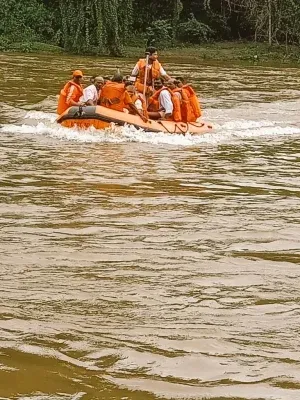
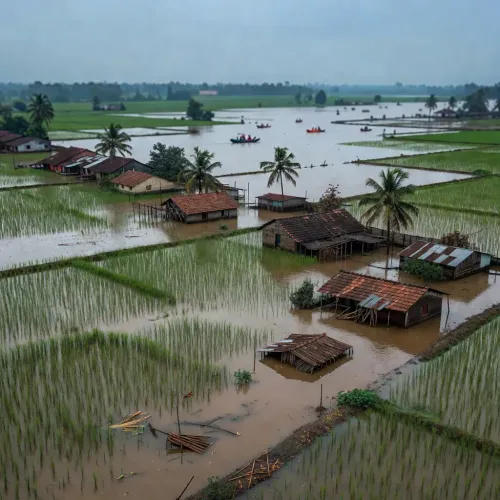
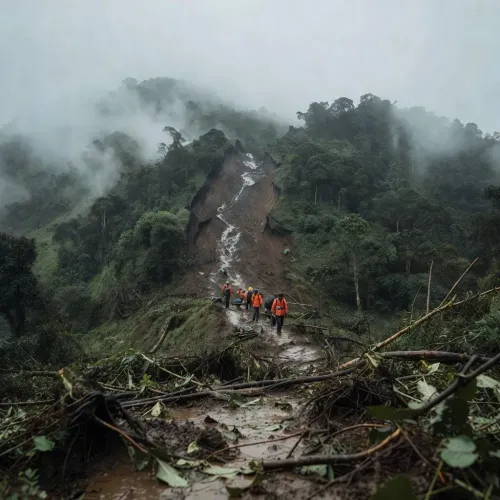
Eight lives lost, families grieving, and rescue teams still searching through Kerala's rain-battered hills — Congress leader Rahul Gandhi, Leader of the Opposition in the Lok Sabha, responded on Sunday, 2 August 2026, with a message of condolence and a direct call to action for his party's ground workers.
In his post, Gandhi expressed being 'deeply saddened by the devastation caused by heavy rains across Kerala,' offering heartfelt condolences to the families of the eight people who lost their lives. He called for prayers for those still missing and a swift recovery for the injured.
Gandhi urges Congress volunteers into the field
Gandhi did not stop at condolence. He explicitly urged 'all Congress workers and volunteers to assist these efforts in every possible way' — a directive that carries weight in a state where the Indian National Congress and its allies maintain a significant organisational presence. He also asked citizens, particularly those in hilly regions, to remain vigilant and follow official guidance.Kerala's monsoon vulnerability and the 2018 precedent
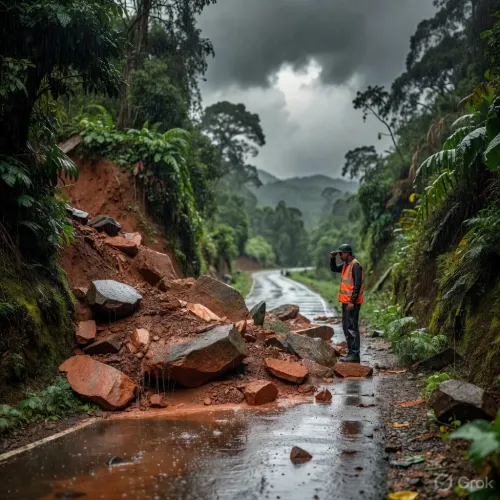
Kerala's geography — the steep Western Ghats funnelling intense southwest monsoon rainfall into narrow valleys and coastal plains — makes it one of India's most flood-prone states. The catastrophic 2018 Kerala floods, which claimed over 400 lives and displaced hundreds of thousands, established the template that now governs disaster response here: state-led coordination, district administration mobilisation, and the rapid deployment of volunteer networks to fill gaps in formal relief machinery. That model has been tested repeatedly in the years since. Each monsoon season brings fresh alerts for landslide-prone districts like Wayanad, Idukki, and Munnar, where road connectivity can be severed within hours of heavy rainfall, isolating entire communities.State government leading operations, central support in focus
Gandhi acknowledged the Kerala state government's ongoing efforts, noting it is 'making every possible effort to support affected families and coordinate relief and recovery operations.' The emphasis on state leadership is politically significant — Kerala is governed by the Left Democratic Front, and Gandhi's statement frames a cross-party solidarity around the relief effort rather than a partisan critique. With rescue operations still active in hilly districts, the next critical question is whether the scale of damage will prompt a formal request for central assistance or the deployment of National Disaster Response Force (NDRF) teams beyond what may already be on the ground. As Gandhi closed his message — 'Kerala stands united in this difficult hour. I stand firmly with every affected family' — the real test will be how swiftly that solidarity translates into boots on the ground in the districts that need it most.Point of View
Validate the incumbent state government's response, and mobilise party cadre on the ground. The notable element here is the explicit cross-party solidarity: praising a Left-governed Kerala's relief machinery is a deliberate signal that the crisis transcends electoral competition. With the monsoon season intensifying and Kerala's hilly districts perennially at risk, the statement also pre-positions the Congress as a participant in relief rather than a critic — a posture that carries long-term electoral resonance in a state where the party is fighting to reclaim ground.
NationPress
17 Sept 2026
Frequently Asked Questions
How many people have died in Kerala rains in August 2026?
According to Rahul Gandhi's statement on 2 August 2026 , eight people have lost their lives due to heavy rains across Kerala. Official figures from state authorities may be updated as rescue operations continue.
What did Rahul Gandhi say about the Kerala floods?
Gandhi said he was 'deeply saddened by the devastation caused by heavy rains across Kerala,' offered condolences to the families of the eight deceased, and urged Congress workers and volunteers to assist relief and recovery operations.
Which areas of Kerala are most affected by heavy rains?
Kerala's hilly districts — including areas in the Western Ghats such as Wayanad and Idukki — are historically the most vulnerable to monsoon-triggered landslides and flooding. Gandhi specifically asked people in hilly regions to remain vigilant.
Is the Kerala government conducting relief operations?
Yes. Gandhi's statement acknowledged that the Kerala state government is 'making every possible effort to support affected families and coordinate relief and recovery operations.'
What was the 2018 Kerala flood and why does it matter?
The 2018 Kerala floods were one of the worst natural disasters in the state's modern history, claiming over 400 lives and displacing hundreds of thousands. They established the current framework for state-led disaster response supplemented by volunteer networks — a model still in use today.