Rahul Gandhi Condoles Assam Flood Deaths, Urges Relief

Synopsis
Congress leader Rahul Gandhi on July 27, 2026, condoled deaths in Assam's devastating monsoon floods and urged both state and central governments to spare no effort in relief and rescue for the millions affected.
Key Takeaways
Congress leader Rahul Gandhi expressed condolences over multiple deaths in Assam floods on July 27, 2026 .
Gandhi extended sympathies to bereaved families and solidarity with millions affected by the disaster.
He called on both the state government and the central government to leave no stone unturned in relief and rescue.
Assam faces chronic annual flooding from the Brahmaputra river , with displacement and crop loss recurring each monsoon.
Central assistance during floods is channelled through the State Disaster Response Fund (SDRF) and NDRF deployments under the Disaster Management Act, 2005 .
The ongoing monsoon session of Parliament may see opposition demands for a discussion on Assam flood mitigation.
Congress leader Rahul Gandhi, Leader of the Opposition in the Lok Sabha, on Monday, July 27, 2026, expressed deep condolences over the deaths caused by devastating floods in Assam, and called on both the state and central governments to leave no stone unturned in rescue and relief operations.
In a post in Hindi on X, Gandhi wrote: 'असम में आई विनाशकारी बाढ़ में कई लोगों की मृत्यु का समाचार बहुत दुखद है' ('The news of the deaths of several people in the devastating floods in Assam is very saddening'). He added that he extends his deepest sympathies to the bereaved families and stands in full solidarity with the millions affected by the disaster. Gandhi further expressed the expectation that the state and central governments spare no effort in relief and rescue for those affected.
Context
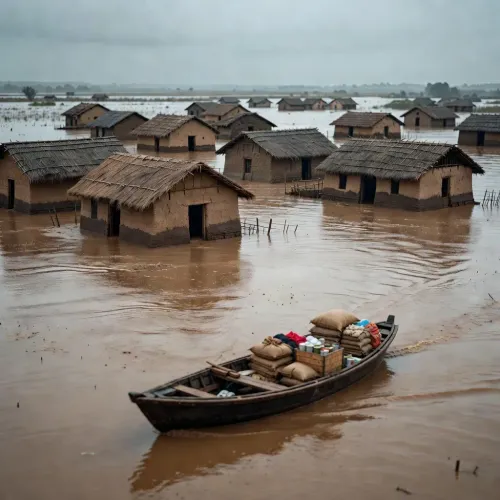
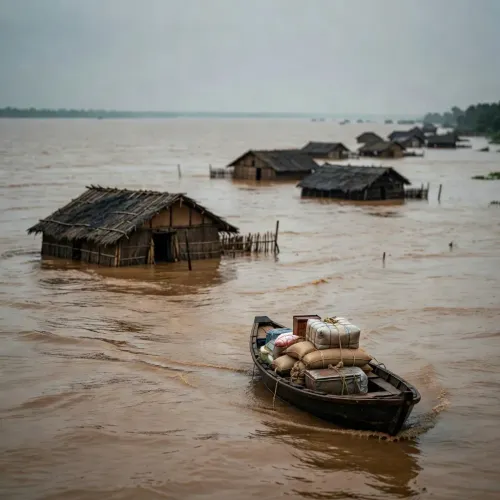
Assam is one of India's most flood-prone states, battered every monsoon season by the Brahmaputra river and its tributaries. Annual flooding routinely displaces millions of residents, destroys standing crops, and claims lives across the state's districts. The 2026 monsoon floods have once again brought widespread destruction to the region, with multiple fatalities reported.
Gandhi's statement comes as the country enters the peak of its monsoon season, when northeastern states are most vulnerable to inundation. As Leader of the Opposition, Gandhi's public interventions on natural disasters carry political weight, pressing both state administration and the Union government on the speed and adequacy of their response.
Policy Backdrop
India's disaster response framework is governed by the Disaster Management Act, 2005, which mandates coordinated action between state and central authorities during calamities. The State Disaster Response Fund (SDRF) and deployments of the National Disaster Response Force (NDRF) are the primary instruments through which the central government channels assistance to flood-hit states.
Despite decades of embankment construction and periodic dredging of the Brahmaputra, chronic flooding remains unresolved in Assam. Displacement and agricultural loss recur each year, and long-term river management has remained a contested policy question. Opposition figures have historically used flood seasons to demand faster disbursal of central funds and accountability on structural flood-mitigation measures.
Stakeholders and Impact
The most immediate stakeholders are the flood-affected families in Assam — those who have lost lives, homes, livestock, and livelihoods. With lakh of people impacted, the scale of humanitarian need places pressure on both the Assam state government and the Union Ministry of Home Affairs, which oversees NDRF operations.
Gandhi's call for the two tiers of government to act in concert reflects a recurring tension in India's federal disaster-response architecture: the speed at which central funds reach affected communities and whether NDRF battalions are pre-positioned ahead of peak flooding. Civil society groups and local administrations in flood-affected districts are also key actors in the immediate relief effort.
What's Next
Attention will now focus on whether the central government releases additional funds under the SDRF mechanism and whether further NDRF battalions are moved into affected districts. The ongoing monsoon session of Parliament provides a legislative forum where opposition members, including Gandhi's party, may push for a dedicated discussion on Assam flood mitigation and long-term Brahmaputra management. The government's response in the coming days will be closely watched by affected communities and political observers alike.
Point of View
Gandhi avoids reducing the crisis to a purely partisan attack while keeping pressure on the BJP-led administrations in Assam and at the Centre. The intervention also fits into a broader Congress effort to remain visible on governance and humanitarian issues in the northeast. Whether the appeal translates into legislative action during the monsoon session will be the real measure of its political weight.
NationPress
25 Oct 2026
Frequently Asked Questions
What did Rahul Gandhi say about the Assam floods?
Rahul Gandhi expressed deep condolences over the deaths caused by the devastating Assam floods and urged both the state and central governments to spare no effort in providing relief and rescue to the millions affected.
How many people are affected by Assam floods in 2026?
Rahul Gandhi's post referred to 'lakhs' of people being affected by the 2026 Assam flood disaster; precise official figures are subject to ongoing state government assessments.
What is the NDRF and how does it help during Assam floods?
The National Disaster Response Force (NDRF) is India's specialised agency for disaster response, deployed by the central government to conduct search, rescue, and relief operations during major floods, including in Assam.
Why does Assam flood every year?
Assam floods annually due to heavy monsoon rainfall and the overflow of the Brahmaputra river and its tributaries; inadequate embankments and the river's high silt load make the state one of India's most flood-prone regions.
What government funds are available for Assam flood relief?
The State Disaster Response Fund (SDRF), established under the Disaster Management Act, 2005, is the primary mechanism through which the central government provides financial assistance to Assam and other states for flood relief.