CM Saini visits Valmiki shrine in Amritsar, distributes tricycles to differently-abled
Synopsis
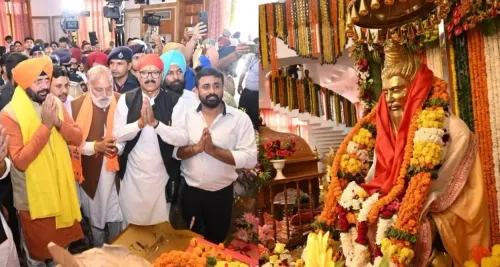
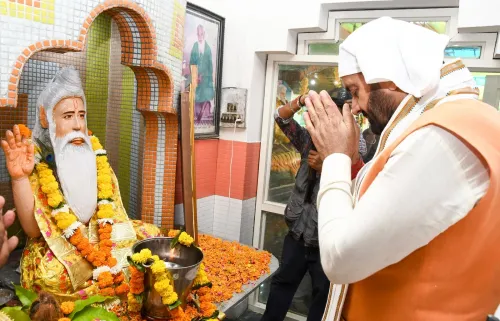
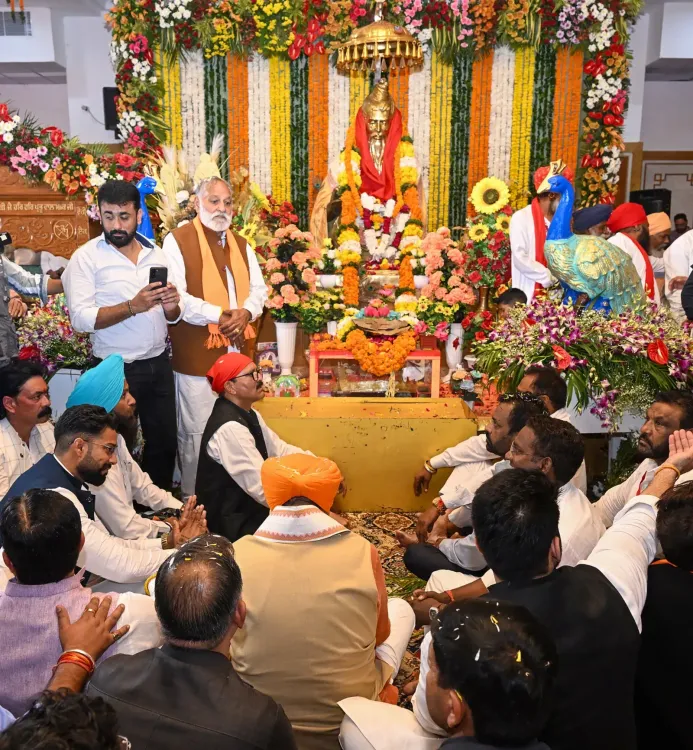
Haryana Chief Minister Nayab Singh Saini visited the Bhagwan Valmiki shrine in Amritsar on October 25, 2026, offering prayers and distributing tricycles to persons with disabilities, framing the gesture as a step toward self-reliance and new hope for the differently-abled.
Key Takeaways
CM Nayab Singh Saini visited the Bhagwan Valmiki shrine in Amritsar on October 25, 2026 .
He distributed tricycles to persons with disabilities ( divyangjan ) at the site.
The distribution aligns with India's central ADIP scheme for assistive devices for the disabled.
Saini described the act as a step toward making the differently-abled self-reliant and instilling new hope.
The Valmiki shrine in Amritsar is a key pilgrimage site for the Valmiki community spread across Haryana and Punjab.
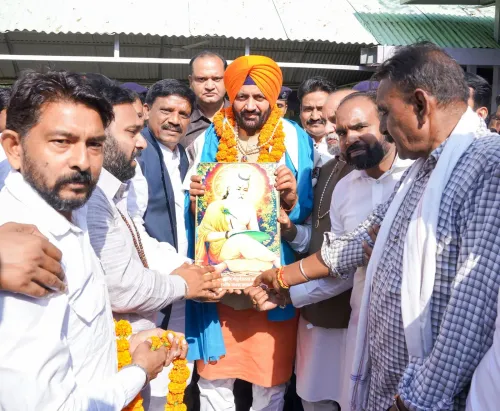
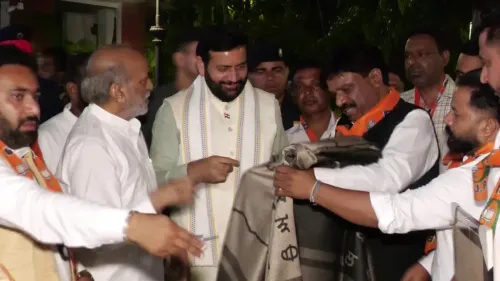
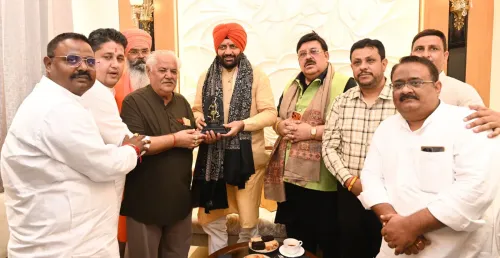
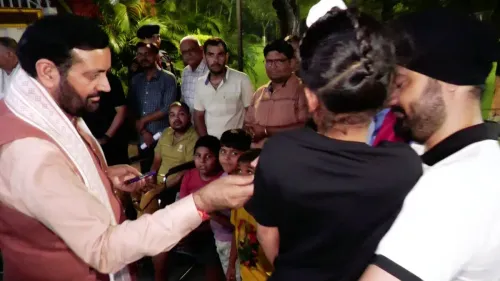
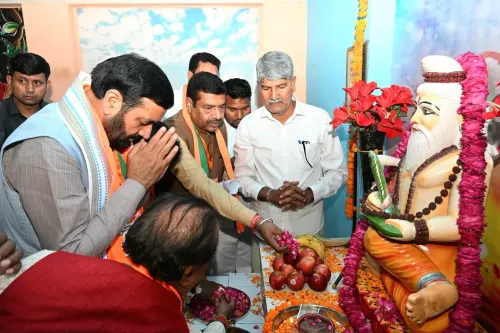
At the sacred site of Bhagwan Valmiki in Amritsar, Haryana Chief Minister Nayab Singh Saini offered prayers on Sunday, October 25, 2026, combining a devotional visit with a small but pointed act of welfare — distributing tricycles to persons with disabilities to help them stand on their own feet.
Posting on X, CM Saini described the experience in Hindi: 'Man ko aseem shanti aur aatmik santushti ki anubhuti hui' — 'the mind was filled with boundless peace and spiritual fulfilment.' He framed the tricycle distribution as a modest gesture rooted in a larger intention: 'Unhe aatmnirbhar banane aur unke jeevan mein nayi ummeed jagane ki ek choti-si pehel' — 'a small step toward making them self-reliant and kindling new hope in their lives.'
Why Amritsar, and who is Bhagwan Valmiki?
Amritsar, in neighbouring Punjab, holds a temple site venerated as the birthplace or sacred ground of Sage Valmiki — the ancient seer traditionally regarded as the author of the Ramayana epic. The Valmiki community, found in significant numbers across Haryana and Punjab, holds this site as one of its most important pilgrimage destinations. For a BJP leader from Haryana, a visit here carries both devotional and political resonance within the community.
Tricycles, ADIP, and the self-reliance push
The distribution of tricycles to divyangjan — the official term for persons with disabilities in India — falls within the broader framework of India's Assistive Devices for Persons with Disabilities (ADIP) scheme, a central government programme that has for years provided wheelchairs, crutches, hearing aids, and tricycles to those in need. State governments and elected representatives frequently use public events and religious gatherings to execute last-mile distribution under this scheme.
The exact number of tricycles distributed on Sunday has not been confirmed, but the initiative echoes a well-established pattern across Indian states: a religious occasion becomes a platform for a welfare handover, lending both visibility and symbolic weight to the act.
A prayer for all, a step for some
CM Saini closed his post with a prayer at Bhagwan Valmiki's feet — 'Sabke jeevan mein sukh, swasthya, samman aur khushhaali bani rahe' — 'may happiness, health, dignity, and prosperity endure in everyone's lives.' It is a formulation that doubles as both a spiritual offering and a political message, tying the welfare of the differently-abled into a broader vision of inclusive prosperity.
The real test, as ever, will be in the follow-through — whether Sunday's tricycles become the first link in a sustained, scaled-up assistive-device drive for Haryana's disabled citizens, or remain a singular moment of grace at a holy site.
Point of View
Paired with a tricycle distribution, is a carefully calibrated blend of community outreach and welfare optics — a pattern increasingly central to BJP's social-inclusion messaging in states with large Valmiki and Dalit populations. Tying welfare delivery to a sacred occasion amplifies the symbolic value of both acts while grounding state-level governance in the language of devotion. Whether the gesture scales into a systematic assistive-device programme for Haryana will determine if it becomes policy or remains symbolism. For now, it marks the CM's intent to be seen as equally at home at a religious threshold and at a welfare counter.
NationPress
26 Oct 2026
Frequently Asked Questions
Why did Haryana CM Nayab Singh Saini visit Amritsar?
CM Saini visited the Bhagwan Valmiki shrine in Amritsar to offer prayers and seek blessings, combining the devotional visit with a distribution of tricycles to persons with disabilities.
What is the significance of the Valmiki temple in Amritsar?
The Valmiki shrine in Amritsar is venerated as a sacred site associated with Sage Valmiki, the ancient author of the Ramayana and a revered figure for the Valmiki community across Punjab and Haryana.
What scheme covers tricycle distribution for disabled persons in India?
India's ADIP (Assistive Devices for Persons with Disabilities) scheme is the central government programme that funds and facilitates distribution of assistive devices — including tricycles, wheelchairs, and hearing aids — to eligible persons with disabilities.
How many tricycles did CM Saini distribute in Amritsar?
The exact number of tricycles distributed has not been officially confirmed. CM Saini described the initiative as a gesture aimed at making divyangjan self-reliant and kindling new hope in their lives.
What did Nayab Singh Saini say about the Amritsar visit?
Saini said the visit filled him with 'boundless peace and spiritual fulfilment,' and described the tricycle distribution as 'a small step toward making the differently-abled self-reliant and kindling new hope in their lives,' closing with a prayer for universal well-being.