Tharoor flags Kerala floods: 1,000+ displaced in Pathanamthitta, Wayanad

Synopsis
Heavy monsoon rains on August 2, 2026 displaced over 1,000 people each in Kerala's Pathanamthitta and Wayanad districts. Congress MP Dr. Shashi Tharoor highlighted the crisis, while the India Meteorological Department forecast an easing of rains from the following day. Both districts lie in the flood-prone Western Ghats.
Key Takeaways
Over 1,000 people displaced in Pathanamthitta and a similar number in Wayanad as of August 2, 2026 .
Both districts are in the Western Ghats , among Kerala's most flood-vulnerable zones.
The India Meteorological Department forecast rainfall to ease from August 3 .
Kerala's State Disaster Management Plan was overhauled after the devastating 2018 floods that displaced over a million people statewide.
National Disaster Response Force teams typically coordinate with local administration during such events; central assistance may be sought if conditions worsen.
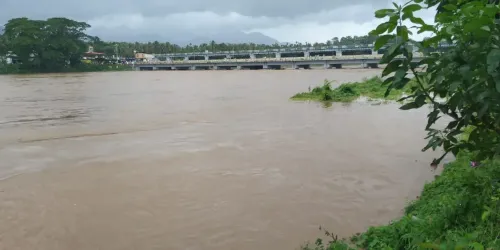
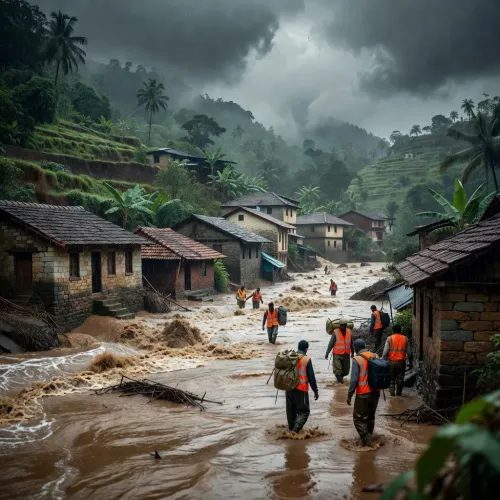
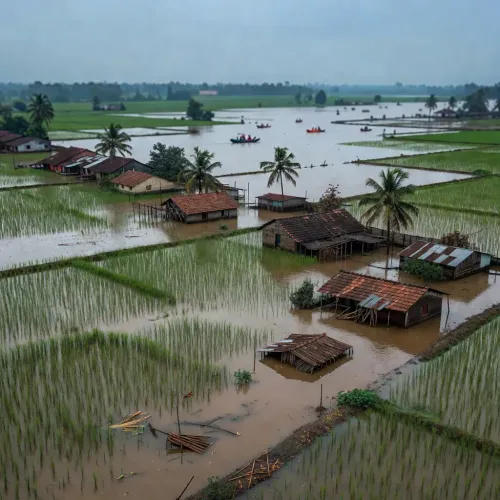
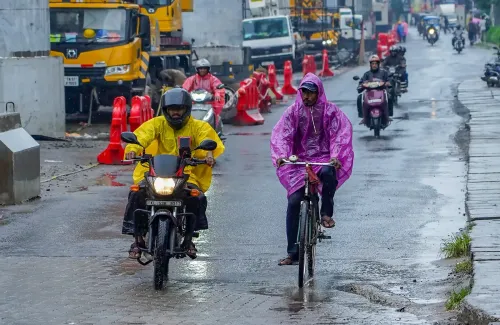
Monsoon fury has swept through two of Kerala's most flood-prone districts, forcing over a thousand people each in Pathanamthitta and Wayanad into temporary relief camps — a grim reminder of how reliably the Western Ghats can turn lethal in the wet season. Congress MP Dr. Shashi Tharoor flagged the crisis on Sunday, August 2, 2026, sharing the latest displacement figures and a video from Pathanamthitta as the situation continued to unfold.
Two districts, two thousand-plus displaced
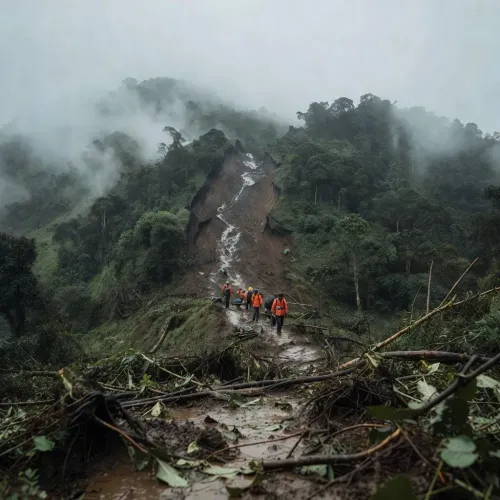
Tharoor's post cited figures showing more than 1,000 people displaced in Pathanamthitta and an equal number in Wayanad — both districts sitting in the Western Ghats, where orographic lift during the southwest monsoon can drive rainfall to extreme intensities within hours. Pathanamthitta, in southern Kerala, lies in the foothills historically battered by monsoon flooding and landslides. Wayanad, in the north, carries its own deep scar from recurring high-rainfall events.
The India Meteorological Department offered some relief: rains are expected to ease from Monday, August 3. That window, if it holds, would give state authorities a critical opening to assess damage and begin moving evacuees back from camps.
A pattern Kerala knows too well
The images from Pathanamthitta this week echo a cycle that Kerala has lived through repeatedly since the catastrophic 2018 floods — the worst in nearly a century — displaced over a million people across the state and reshaped how the government thinks about disaster preparedness. In the years since, Kerala revised its State Disaster Management Plan, investing in early warning infrastructure and standardised evacuation camp protocols.
Those systems are now being stress-tested again. Local administration and National Disaster Response Force teams typically coordinate on the ground during such events, with central support requested when district-level capacity is stretched. Whether this episode crosses that threshold will depend on how quickly rainfall retreats and whether the camp populations stabilise or grow.
What the coming days will tell
The key variables now are the pace of the IMD-forecast rain withdrawal and the condition of relief infrastructure in both districts. Phased return of evacuees, structural assessments of flood-hit areas, and any request for central disaster funds will be the metrics to watch as Kerala moves from emergency response to recovery mode.
Kerala's monsoon season has a long way to run — and the Western Ghats rarely give just one warning.
Point of View
With the 2018 floods still shaping public expectations of government preparedness. The fact that two districts simultaneously breach the thousand-displaced threshold signals either an unusually intense rainfall event or gaps in early evacuation protocols — a distinction that will matter when accountability questions follow the floodwaters. With assembly politics never far from disaster response in Kerala, how swiftly relief camps are managed and evacuees returned home will be watched as closely as the rainfall itself.
NationPress
16 Sept 2026
Frequently Asked Questions
How many people have been displaced by the Kerala floods in August 2026?
According to figures shared by Congress MP Dr. Shashi Tharoor, more than 1,000 people each have been displaced in Pathanamthitta and Wayanad districts of Kerala, with affected residents moved into temporary relief camps.
Which districts in Kerala are worst affected by the August 2026 rains?
Pathanamthitta and Wayanad are the two districts most severely hit, both located in the Western Ghats region which is historically prone to intense monsoon rainfall, flooding, and landslides.
When will the heavy rains in Kerala stop?
The India Meteorological Department has indicated that rainfall is expected to ease from August 3, 2026, the day after the flooding was reported.
What is Kerala's disaster response plan for monsoon flooding?
After the catastrophic 2018 floods, Kerala revised its State Disaster Management Plan with enhanced early warning systems and standardised evacuation camp infrastructure. The National Disaster Response Force also coordinates with local administration during major events.
Why is Wayanad so vulnerable to monsoon flooding?
Wayanad is a hilly district in northern Kerala situated in the ecologically sensitive Western Ghats, where orographic lift — air forced upward by mountains — dramatically intensifies monsoon rainfall, making it one of the state's most flood-prone areas.