Pune man loses ₹22 lakh to cyber fraudsters posing as Karnataka Police, CBI

Synopsis
A 71-year-old Pune man lost ₹22 lakh to fraudsters who posed as Karnataka Police and CBI officers and threatened him with 'digital arrest' — a fabricated legal threat with no basis in Indian law. It is the second near-identical case in Pune within months, both involving elderly victims and identical loss amounts, pointing to an organised fraud network targeting senior citizens.
Key Takeaways
Chandraram Balanna Kuttapelli , 71 , of Alandi Road, Pune , lost ₹22 lakh to cyber fraudsters between 5 and 15 October 2026 .
Fraudsters impersonated Karnataka Police and CBI officers , falsely claiming his SIM was linked to a child trafficking case.
Vishrantwadi Police registered a case on 11 November under BNS Sections 319(2) and 318(4) and IT Act Section 66D ; no arrests have been made.
A near-identical fraud in June–July 2026 targeted a 73-year-old Rahatani resident, also for ₹22 lakh , using fake 'Supreme Court Secret Supervision Account' claims. 'Digital arrest' is a fabricated legal threat — Indian law has no such provision.
Citizens can report such fraud at cybercrime.gov.in or helpline 1930 .
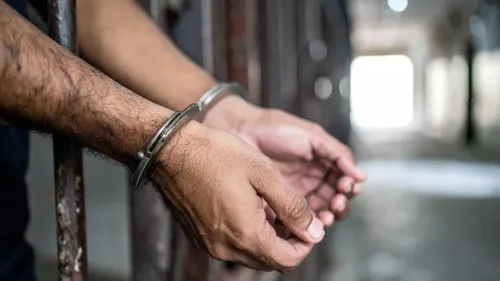
A 71-year-old Pune resident was defrauded of ₹22 lakh by cyber criminals who impersonated senior Karnataka Police officials and Central Bureau of Investigation (CBI) officers, threatening him with digital arrest to coerce the transfers, police said on Thursday, 12 November 2026. The fraud unfolded over 10 days between 5 and 15 October, leaving the elderly victim financially devastated.
How the Fraud Unfolded
The complainant, Chandraram Balanna Kuttapelli, a resident of Alandi Road, Pune, received a call from an unidentified mobile number. The caller allegedly introduced himself as a senior police official from Karnataka before later claiming to be a CBI officer.
The fraudsters told Kuttapelli that his SIM card had been misused in a child trafficking case. To lend credibility to their claims, they demanded he transfer money as a 'security deposit', asserting the funds would be digitally verified before release. Under sustained pressure and the threat of digital arrest, Kuttapelli reportedly transferred a total of ₹22 lakh across multiple transactions into bank accounts provided by the accused.
Case Registered, No Arrests Yet
Following a formal complaint, Vishrantwadi Police registered a case on 11 November under Sections 319(2) and 318(4) of the Bharatiya Nyaya Sanhita (BNS) and Section 66D of the Information Technology Act. As of the latest reports, no arrests have been made in connection with the case.
A Disturbing Pattern Targeting Senior Citizens
This incident is not isolated. In a strikingly similar case reported earlier, on 18 July, cyber fraudsters posing as CBI officials targeted a 73-year-old resident of Rahatani, threatening him with prosecution in a money laundering case. That fraud took place between 29 June and 3 July, and the victim was coerced into transferring ₹22 lakh into what the fraudsters described as the 'Supreme Court's Secret Supervision Account' for purported verification purposes.
In that instance too, the accused claimed the victim's Aadhaar card had been used to purchase a mobile phone and that a formal complaint had been filed against him. Wakad Police subsequently registered a case following a complaint to the cybercrime cell.
What Is 'Digital Arrest' and Why It Works
The 'digital arrest' tactic involves fraudsters keeping victims in continuous video or voice contact — effectively under psychological confinement — while demanding money transfers under the guise of legal proceedings. This method has surged across India in 2025 and 2026, with law enforcement agencies noting that elderly victims are disproportionately targeted due to lower familiarity with legal processes and technology.
Notably, neither the police nor the CBI has any legal mechanism called 'digital arrest' — it is a fabricated threat with no basis in Indian law. Authorities have repeatedly warned citizens not to comply with such demands.
What Victims Should Do
Cybercrime experts and law enforcement advise that anyone receiving such calls should immediately disconnect, avoid transferring any funds, and report the incident to the National Cyber Crime Reporting Portal (cybercrime.gov.in) or call the helpline 1930. Family members of elderly relatives are urged to proactively educate them about these tactics.
As investigations continue in both the Vishrantwadi and Wakad cases, authorities have yet to identify or apprehend those responsible — underscoring the challenges of tracing sophisticated cyber fraud networks operating across state lines.
Point of View
Targeting elderly men for the same amount, within months of each other — this is not coincidence, it is a template. The 'digital arrest' script is being run at scale across India, and the fact that no arrests have followed either Pune case points to a critical gap in cross-state cybercrime coordination. Law enforcement agencies can register cases; they are visibly struggling to trace and apprehend the actual perpetrators. Until conviction rates rise, awareness campaigns alone will not deter organised fraud rings that have clearly industrialised this playbook.
NationPress
12 Nov 2026
Frequently Asked Questions
What is the 'digital arrest' scam targeting elderly Indians?
'Digital arrest' is a fraud tactic in which criminals impersonating police or CBI officers keep victims in prolonged phone or video contact, threatening them with fake legal proceedings unless they transfer money immediately. It has no basis in Indian law — no agency has the power to conduct a 'digital arrest'.
How much did the Pune man lose and how was he targeted?
Chandraram Balanna Kuttapelli, 71, lost ₹22 lakh between 5 and 15 October 2026. Fraudsters called him posing as Karnataka Police and CBI officers, falsely claiming his SIM card was linked to a child trafficking case and demanding money as a 'security deposit' for digital verification.
Has anyone been arrested in the Pune digital arrest fraud case?
No arrests have been made as of 12 November 2026. Vishrantwadi Police registered the case on 11 November under the Bharatiya Nyaya Sanhita and the Information Technology Act, and investigations are ongoing.
Is this the first such case in Pune?
No. A near-identical case was reported in July 2026, in which a 73-year-old Rahatani resident was defrauded of ₹22 lakh by fraudsters posing as CBI officers, who directed him to transfer funds to a fabricated 'Supreme Court Secret Supervision Account'. Wakad Police registered that case as well.
What should someone do if they receive a 'digital arrest' threat call?
Disconnect the call immediately and do not transfer any money. Report the incident to the National Cyber Crime Reporting Portal at cybercrime.gov.in or call the national helpline 1930. Sharing the incident with family members and local police can also aid investigation.