Vaishnaw flags off Pune–Shirdi direct daily train
Synopsis
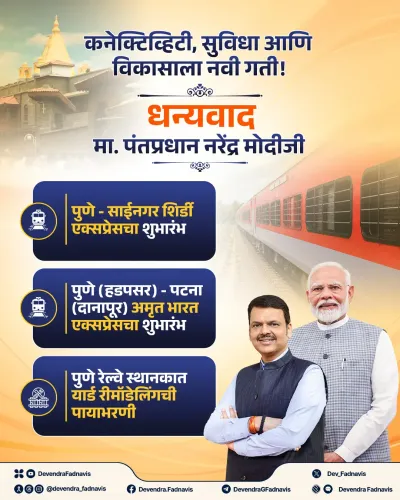
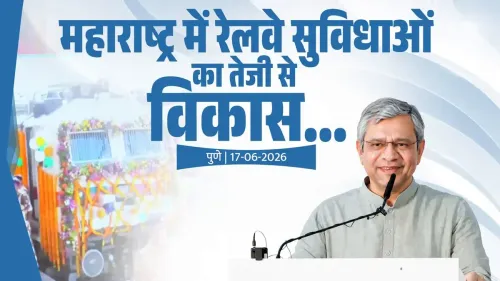
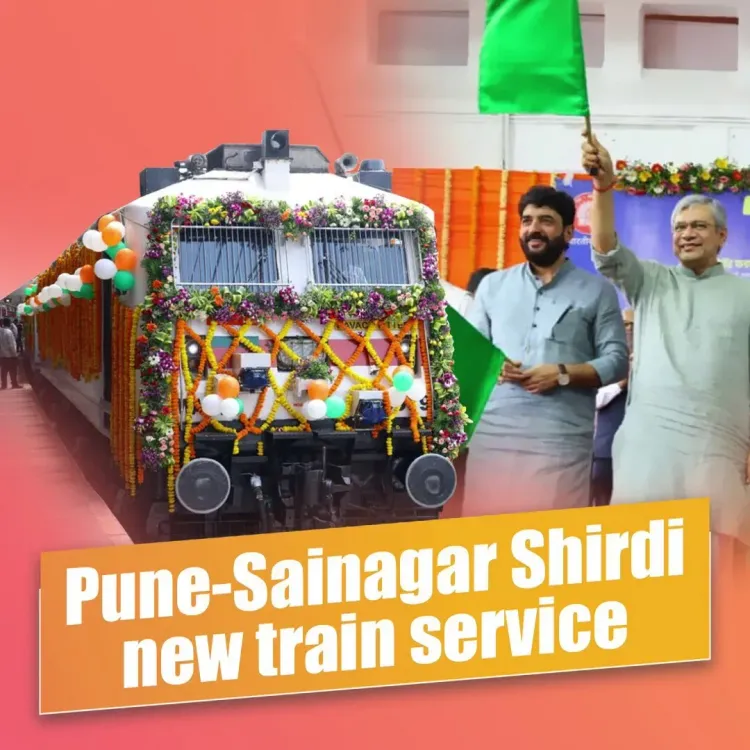
Union Minister Ashwini Vaishnaw and Maharashtra CM Devendra Fadnavis on 17 June 2026 flagged off the Pune–Sainagar Shirdi daily train — the first direct rail link between the two cities — aimed at providing affordable travel for Saibaba Temple devotees.
Key Takeaways
Union Minister Ashwini Vaishnaw and Maharashtra CM Devendra Fadnavis jointly flagged off the new service on 17 June 2026 .
The Pune–Sainagar Shirdi train is the first direct daily rail connection between the two cities.
The service is designed to offer affordable and comfortable travel for pilgrims visiting the Saibaba Temple, Shirdi .
Indian Railways has been expanding direct pilgrim-route services since the early 2010s, with Maharashtra a key focus.
The launch is expected to benefit Shirdi pilgrims, reduce road-travel dependence, and support the Maharashtra tourism sector.
Possible follow-on developments include station upgrades at Pune or Sainagar Shirdi and future timetable expansions.
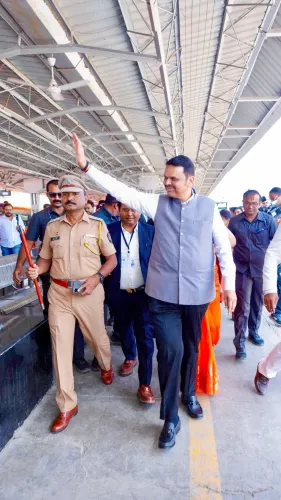
Union Minister Ashwini Vaishnaw on Wednesday, 17 June 2026, flagged off the new Pune–Sainagar Shirdi daily train service from Pune, Maharashtra, alongside Maharashtra Chief Minister Devendra Fadnavis. The service marks the first direct rail link between Pune and Shirdi, catering to the large volume of pilgrims travelling to the Saibaba Temple.
Context
Vaishnaw announced the development on X, stating that the train 'will provide affordable and comfortable travel for devotees visiting the Saibaba Temple.' The flagging-off ceremony was a joint event with Chief Minister Devendra Fadnavis, signalling coordination between the Union Ministry of Railways and the Maharashtra state government on pilgrim connectivity.
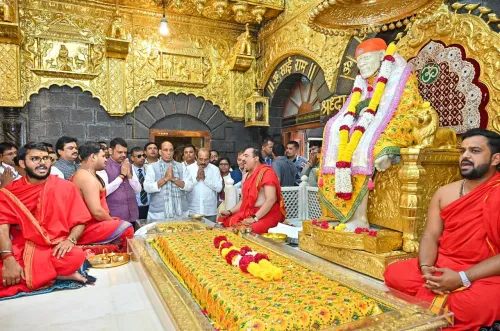
The Saibaba Temple in Shirdi is one of India's most visited religious sites, drawing millions of devotees annually from across the country. Until now, passengers from Pune — Maharashtra's second-largest city — had to travel via intermediate junctions or use road transport to reach Shirdi, adding time and cost to the journey.
Policy Backdrop
Indian Railways has steadily expanded direct services to Shirdi from major urban centres since the early 2010s, recognising the station's high pilgrim traffic as a priority. The broader policy approach under successive central governments has been to link state capitals and commercial hubs with prominent religious sites through dedicated, affordable daily trains.
Maharashtra has been a consistent beneficiary of this focus, with multiple pilgrimage-route additions over the past decade. The new Pune–Sainagar Shirdi service fits squarely within this pattern, addressing a long-standing gap on a high-demand corridor that connects two of the state's most significant destinations.
Stakeholders and Impact
The primary beneficiaries are Shirdi pilgrims based in or passing through Pune and its surrounding districts, who now have a direct, cost-effective rail option. The Maharashtra tourism sector is also expected to gain, as easier rail access typically translates into higher footfall at pilgrimage destinations and associated local economies.
For the Pune rail commuter base — one of the busiest in western India — the addition of a daily dedicated service reduces dependence on road transport and private vehicles, which are both more expensive and more time-consuming on this route. Devotees from cities beyond Pune who can board en route also stand to benefit.
What's Next
Railway observers will watch whether the Pune–Sainagar Shirdi service is incorporated into future timetable revisions and whether it prompts station redevelopment work at either Pune or Sainagar Shirdi to handle increased passenger volumes. The service could also serve as a template for extending similar direct connectivity from other Maharashtra cities to Shirdi.
With pilgrimage tourism remaining a stated priority for both the Union government and the Maharashtra state administration, the launch of this train reinforces a broader infrastructure push aimed at making religious travel more accessible and dignified for ordinary citizens.
Point of View
The Centre visibly reinforces its partnership with the state BJP administration ahead of any electoral cycle. The move fits a decade-long policy arc of linking high-footfall religious sites with urban rail networks — a strategy that simultaneously addresses genuine public demand and consolidates support among devout commuters. Whether the service sustains ridership and triggers complementary infrastructure investment at Shirdi will be the real test of its long-term policy value.
NationPress
19 Sept 2026
Frequently Asked Questions
What is the Pune–Sainagar Shirdi train and when did it start?
The Pune–Sainagar Shirdi daily train is the first direct rail service connecting Pune and Shirdi in Maharashtra. It was flagged off on 17 June 2026 by Union Minister Ashwini Vaishnaw and Maharashtra CM Devendra Fadnavis.
Who flagged off the Pune–Shirdi train?
Union Minister of Railways Ashwini Vaishnaw and Maharashtra Chief Minister Devendra Fadnavis jointly flagged off the service at Pune on 17 June 2026.
Why is the Pune–Shirdi direct train significant?
It is the first direct daily train between Pune and Shirdi, eliminating the need for pilgrims to change trains or rely on road transport to reach the Saibaba Temple, making the journey more affordable and convenient.
How does this train benefit Shirdi pilgrims?
Devotees from Pune and surrounding areas can now travel directly to Shirdi by rail at lower cost and in greater comfort, without requiring road travel or intermediate connections.
What is Indian Railways' policy on pilgrimage routes?
Indian Railways has been incrementally adding direct daily services to major pilgrimage sites like Shirdi since the early 2010s, prioritising affordable connectivity on high-demand religious corridors across the country.