Punjab Police nets 300 in Amritsar-Tarn Taran CASO, seizes 16.7 kg heroin
Synopsis
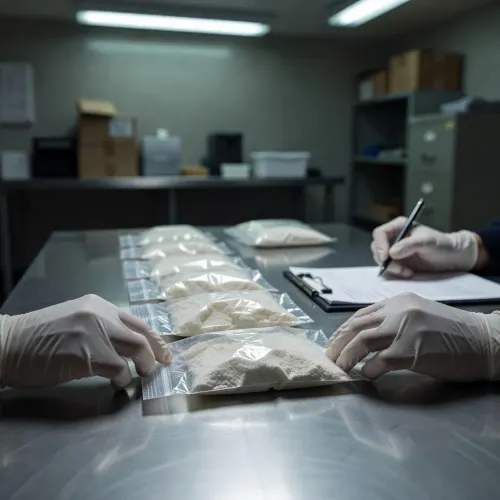
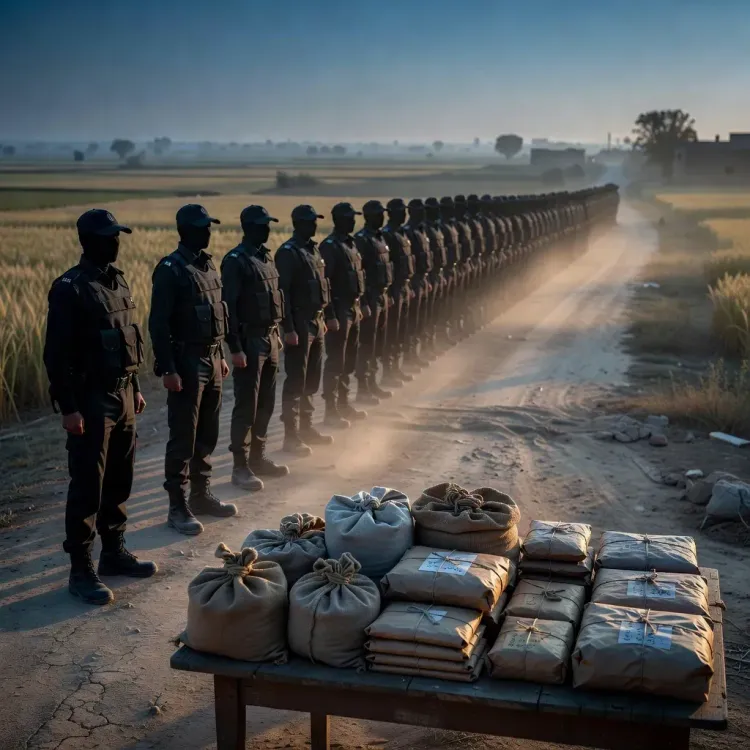
Punjab Police conducted a two-day Special Cordon and Search Operation across 361 hotspots in Amritsar Rural and Tarn Taran, arresting 300 persons and recovering 16.7 kg heroin, 800 grams opium, and three pistols under CM Bhagwant Mann's Yudh Nashian Virudh anti-drug campaign.
Key Takeaways
300 persons arrested during a two-day CASO in Amritsar Rural and Tarn Taran districts.
Police raided 361 hotspots across both districts in a coordinated sweep.
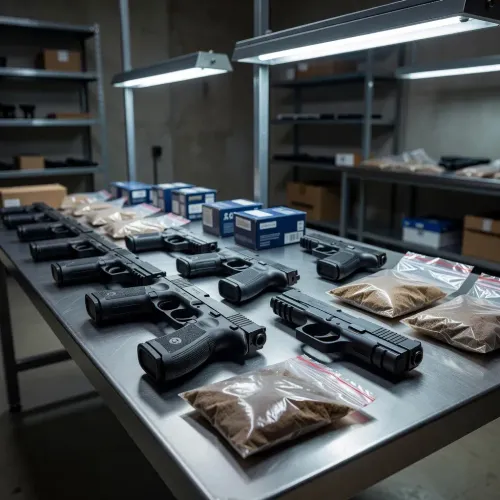
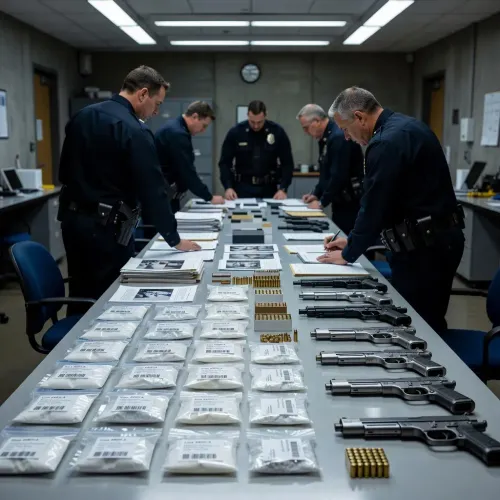
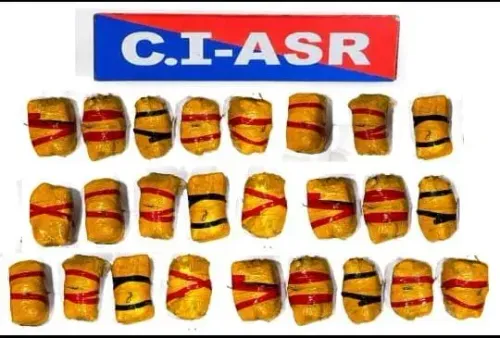
Recoveries included 16.7 kg heroin , 800 grams opium , ₹5,450 drug money , and three pistols .
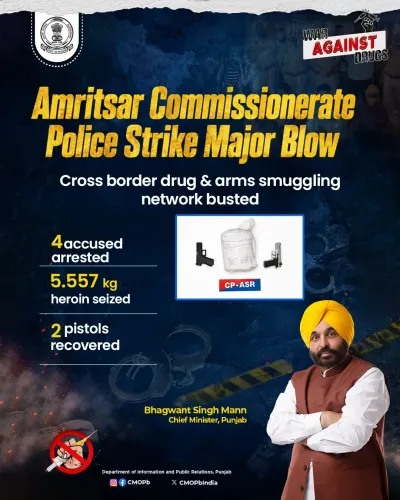
The operation was conducted under directions of Chief Minister Bhagwant Mann as part of Yudh Nashian Virudh .
Both targeted districts border or adjoin Pakistan and have documented histories of cross-border drug trafficking.
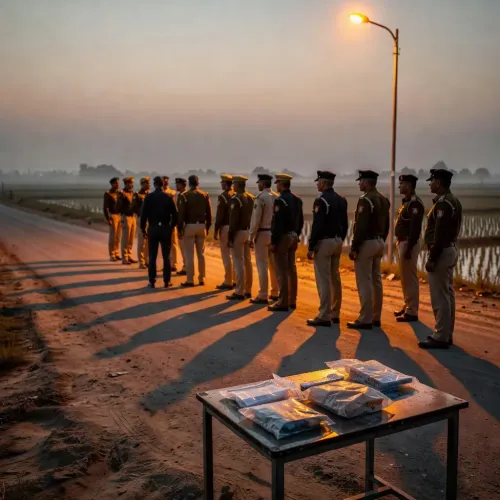
In one of the sharpest anti-drug strikes Punjab has seen in recent months, state police swept through 361 hotspots across Amritsar Rural and Tarn Taran districts over two days — arresting 300 persons and pulling 16.7 kg of heroin off the streets. The Chief Minister's Office of Punjab announced the results of the Special Cordon and Search Operation (CASO) on Friday, 20 November 2026, confirming the drive was carried out under the direct directions of Chief Minister Bhagwant Mann.
What the two-day sweep turned up
Beyond the heroin haul, police teams recovered 800 grams of opium, ₹5,450 in drug money, and three pistols from the possession of arrested accused persons. The combined recovery across both districts signals the operation was not a surface-level sweep — hotspots were identified, cordoned, and searched in coordinated waves. Three hundred arrests in forty-eight hours is a number that matters.
Why Amritsar Rural and Tarn Taran are ground zero
Amritsar Rural shares a border with Pakistan and has repeatedly appeared in drug-trafficking incidents, making it a persistent pressure point for Punjab Police. Tarn Taran, directly south of Amritsar, carries a long, documented history of heroin and opium seizures — a geography that traffickers have exploited for decades through cross-border smuggling channels. Targeting these two districts simultaneously under a single CASO framework was a deliberate chokepoint strategy.
'Yudh Nashian Virudh' — the campaign behind the operation
The drive operates under Yudh Nashian Virudh (ਯੁੱਧ ਨਸ਼ਿਆਂ ਵਿਰੁੱਧ — 'War Against Drugs'), the statewide anti-narcotics campaign the Mann government has anchored its law-and-order identity to since taking office in March 2022. The campaign has driven repeated district-level cordon-and-search operations, each designed to disrupt local supply networks rather than wait for intelligence-led tip-offs alone. This latest CASO is a continuation of that playbook — scaled up, and aimed squarely at two of the state's most vulnerable corridors.
What happens next to the 300 arrested will be the real test: swift prosecution and conviction rates will determine whether this operation disrupts the network or merely delays it.
Point of View
Particularly in border-adjacent districts where supply chains are hardest to permanently sever. Amritsar Rural and Tarn Taran are politically and geographically symbolic choices: results here signal seriousness to both the electorate and security agencies watching the Punjab corridor. The real policy question is prosecution depth — large arrest numbers that do not translate into convictions can become a statistical facade. How the state's courts and prosecution machinery process these 300 cases will reveal whether Yudh Nashian Virudh is structural reform or recurring spectacle.
NationPress
20 Nov 2026
Frequently Asked Questions
What is a CASO operation in Punjab?
A Special Cordon and Search Operation (CASO) is a coordinated police exercise in which a defined area is cordoned off and systematically searched for suspects, contraband, and weapons. Punjab Police has used CASOs repeatedly under the Yudh Nashian Virudh anti-drug campaign to target identified hotspots.
How much heroin was seized in the Amritsar-Tarn Taran CASO?
Police recovered 16.7 kg of heroin , along with 800 grams of opium, ₹5,450 in drug money, and three pistols during the two-day operation.
What is Yudh Nashian Virudh?
'Yudh Nashian Virudh' means 'War Against Drugs' in Punjabi. It is the flagship anti-narcotics campaign launched by the Bhagwant Mann government after taking office in March 2022, driving special operations and raids across Punjab's drug-affected districts.
Why are Amritsar Rural and Tarn Taran targeted for drug operations?
Both districts are located near Punjab's border with Pakistan, making them vulnerable to cross-border drug smuggling. They have long histories of heroin and opium seizures, making them priority targets for anti-drug enforcement.
How many hotspots were raided in the Punjab CASO operation?
Punjab Police conducted raids at 361 hotspots across Amritsar Rural and Tarn Taran districts during the two-day Special Cordon and Search Operation.