Delhi gets 100 new electric buses and Delhi-Hapur interstate service: Minister Pankaj Singh
Synopsis
Delhi's ruling government on Friday announced 100 new electric buses and a first-of-its-kind interstate electric bus service to Hapur — framing it as the most tangible public transport upgrade since the change of guard in the capital. With routes also planned to Karnal and Panipat, the expansion signals an ambitious pivot to clean mobility, though execution and charging infrastructure will be the real tests.
Key Takeaways
Delhi Minister Pankaj Kumar Singh announced 100 new electric buses on 20 November 2026 .
A new Delhi-Hapur interstate electric bus service was launched as part of the same initiative.
Electric bus services are also being extended to Karnal and Panipat .
The expansion is being led under Chief Minister Rekha Gupta's administration with a focus on last-mile connectivity.
Singh alleged the previous government had 'stopped connectivity' through electric vehicles and women's bus services.
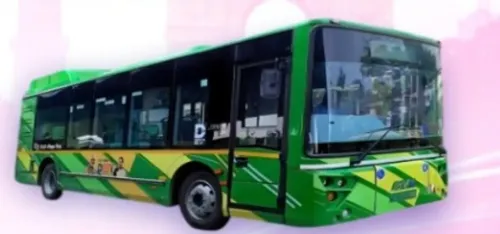
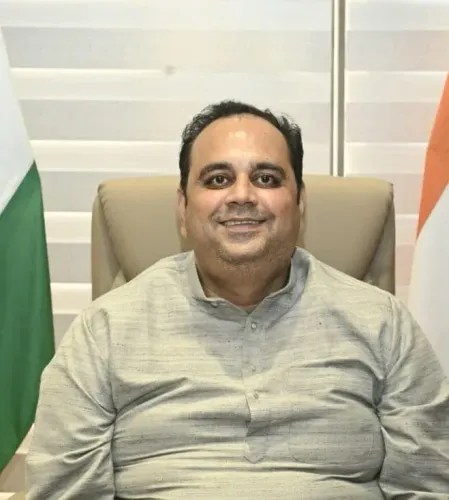
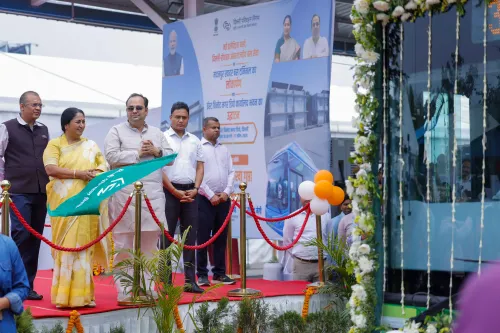
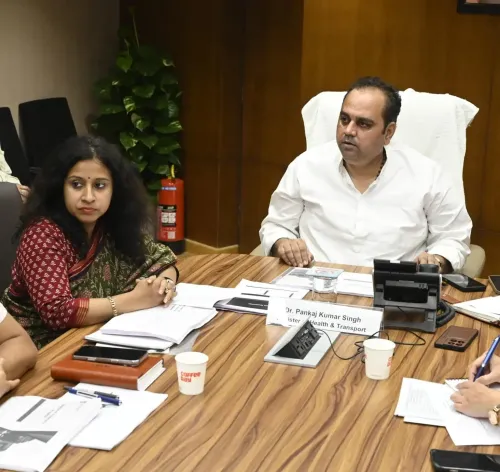
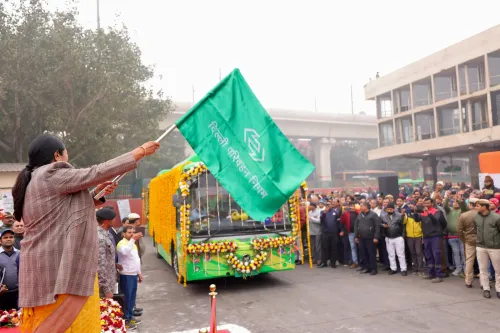
Delhi Minister Pankaj Kumar Singh on Friday, 20 November 2026 announced the induction of 100 new electric buses into the national capital's public transport fleet and the launch of the Delhi-Hapur interstate electric bus service, calling both moves a significant stride toward cleaner and more connected urban mobility. The minister said the government remained committed to expanding last-mile connectivity through non-polluting vehicles.
Key Developments
The twin announcements — 100 additional electric buses becoming operational and a new interstate electric bus corridor linking Delhi with Hapur — form part of a broader push under Chief Minister Rekha Gupta's administration to modernise Delhi's public transport network. According to Singh, electric bus services are also being extended to Karnal and Panipat, and the government is reportedly receiving a positive public response to these new routes.
What the Government Said
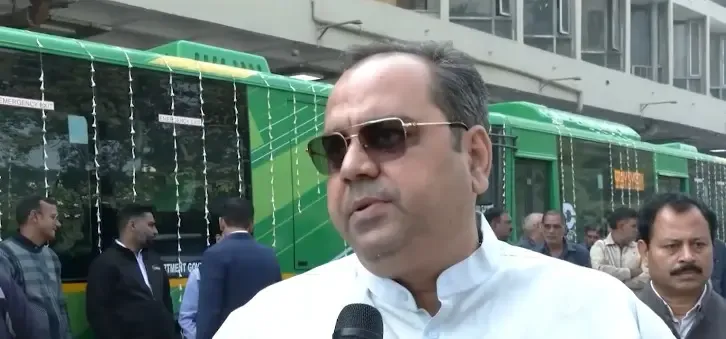
'We are taking another successful step towards expanding our fleet of electric buses, with 100 more buses set to become operational. Our government had assured the people of Delhi, under the leadership of the Prime Minister, that we would promote electric mobility in public transport. We are also working to extend electric bus services to last-mile connectivity,' Singh said.
He further added: 'We want more buses to operate, and we want a large number of non-polluting buses on the roads. That is why we are expanding connectivity in Delhi.'
Charge Against the Previous Government
Singh also levelled allegations against the previous administration, claiming that public transport connectivity had been systematically neglected. 'The previous government had stopped connectivity, whether through electric vehicles or buses for women. The situation of transportation was worse,' he alleged. The remarks are consistent with the ruling party's broader political narrative ahead of ongoing governance consolidation in the capital.
Pollution and Clean Mobility Context
Delhi consistently ranks among India's most polluted cities, with vehicular emissions identified as a primary contributor to hazardous air quality, particularly during winter months. The induction of electric buses aligns with the Centre's push to shift urban public transport away from diesel-powered fleets. Notably, this expansion follows earlier rounds of electric bus procurement under central schemes, though critics have previously flagged gaps in charging infrastructure and operational uptime as persistent challenges.
What Comes Next
The new Delhi-Hapur corridor is expected to ease commute pressures for passengers travelling between the two cities, while the broader fleet expansion aims to reduce per-kilometre emissions across Delhi's bus network. The government has indicated that the initiative, equipped with modern passenger facilities, is designed to advance the vision of a 'developed Delhi' with cleaner public amenities. How quickly the remaining last-mile connectivity gaps are bridged will determine the real-world impact of Friday's announcements.
Point of View
Connectivity, women's safety in transit — but the devil is in delivery. Delhi's electric bus programme has historically struggled with charging infrastructure gaps and fleet downtime, and simply inducting 100 more buses does not automatically resolve those systemic issues. The extension to Hapur, Karnal and Panipat is ambitious for an urban fleet, and interstate electric corridors require coordination between states that is rarely seamless. Singh's swipe at the previous government adds a partisan edge to what is otherwise a genuinely important urban mobility story — the substance deserves scrutiny independent of the politics.
NationPress
20 Nov 2026
Frequently Asked Questions
What did Delhi Minister Pankaj Kumar Singh announce on 20 November 2026?
Minister Pankaj Kumar Singh announced the induction of 100 new electric buses into Delhi's public transport fleet and the launch of the Delhi-Hapur interstate electric bus service. He said both steps were aimed at improving last-mile connectivity and promoting clean mobility across the national capital.
What is the Delhi-Hapur interstate electric bus service?
It is a new electric bus corridor connecting Delhi with Hapur, launched as part of the Delhi government's push to extend clean public transport beyond city limits. The government is also working on similar electric bus routes to Karnal and Panipat.
Why is Delhi expanding its electric bus fleet?
Delhi is one of India's most polluted cities, with vehicular emissions a leading cause of hazardous air quality. The government is inducting non-polluting electric buses to reduce emissions, improve last-mile connectivity, and fulfil commitments made under the Centre's clean mobility push.
Who is overseeing Delhi's electric bus expansion?
The initiative is being led under Chief Minister Rekha Gupta's administration. Minister Pankaj Kumar Singh is the face of the announcement and has stated that the expansion aligns with a promise made to Delhi's residents regarding electric mobility in public transport.
What allegations did Singh make against the previous government?
Singh alleged that the previous administration had halted public transport connectivity, specifically citing the discontinuation of electric vehicle services and buses for women. He claimed the overall state of transportation had deteriorated under the prior government.