DTC to induct 100 e-buses, Delhi fleet to touch 7,088 vehicles
Synopsis
Delhi is set to become even more dominant in India's electric bus landscape — DTC will induct 100 new e-buses, pushing the fleet to 7,088 and electric vehicles to 5,338. With a 14,000-bus target by FY 2028–29 and a new interstate e-bus route to Hapur on the cards, the capital is making its most aggressive clean-mobility push yet.
Key Takeaways
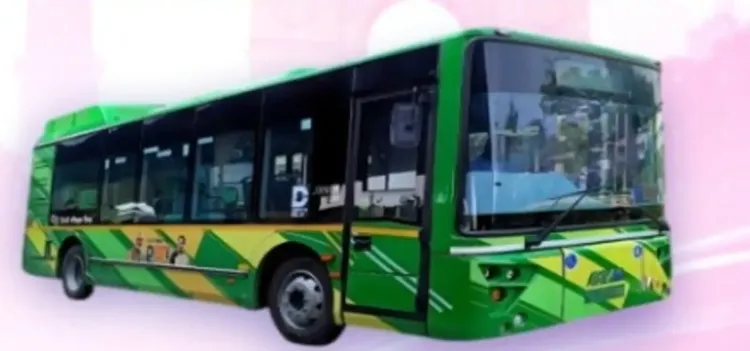
DTC is set to induct 100 new electric buses — 50 nine-metre and 50 twelve-metre vehicles.
Delhi's total bus fleet will rise to approximately 7,088 , comprising 5,338 electric and 1,750 CNG buses.
The fleet is projected to reach nearly 14,000 buses by FY 2028–29 under CM Rekha Gupta's administration.
Buses will feature CCTV cameras , panic buttons , real-time tracking , and disability-accessible fittings.
12 electric buses will operate a new interstate route between Anand Vihar ISBT and Hapur, UP , at 20-minute intervals .
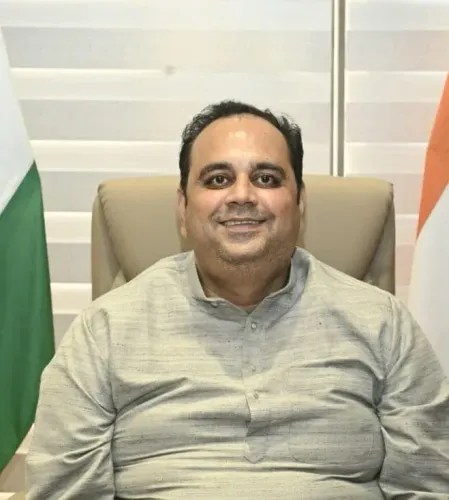
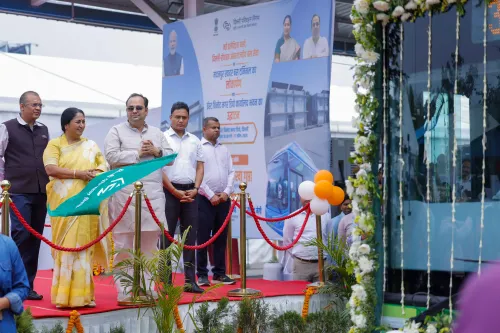
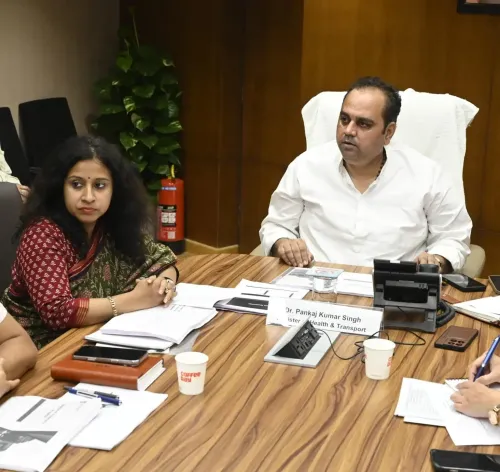
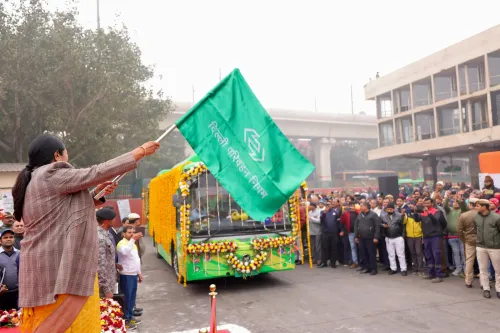
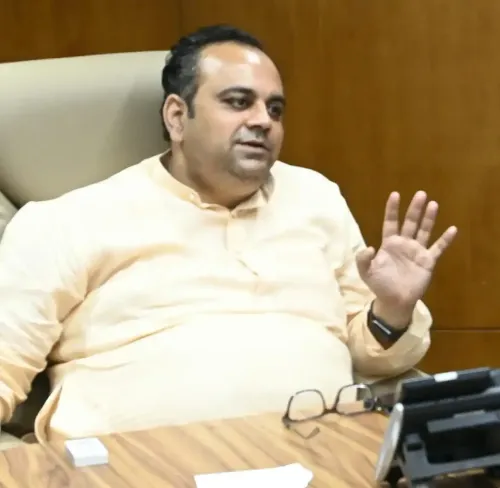
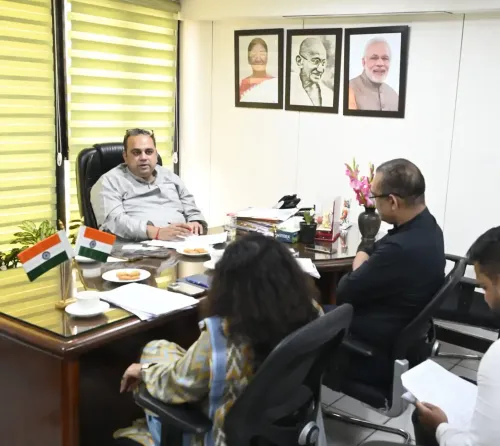
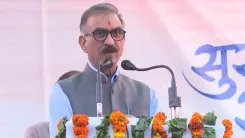
The Delhi Transport Corporation (DTC) is preparing to induct 100 new zero-emission electric buses into its fleet, Transport Minister Pankaj Kumar Singh announced on Thursday, 19 November 2026. The addition will push Delhi's total bus fleet to approximately 7,088 vehicles, further cementing the capital's standing as the city with the largest electric bus fleet in India.
Fleet Composition After Induction
The 100 new electric buses will be split equally between two sizes — 50 nine-metre and 50 twelve-metre vehicles. Once inducted, Delhi's fleet will comprise 5,338 electric buses and 1,750 CNG buses, according to the minister. This phased approach reflects a deliberate pivot away from fossil-fuel-dependent public transport toward a fully electric urban mobility framework.
Passenger Amenities and Accessibility
The incoming buses are designed as low-floor, air-conditioned vehicles equipped with CCTV cameras, panic buttons, real-time tracking systems, and accessibility features for persons with disabilities. Singh said the government's objective is to ensure Delhi residents have access to 'reliable, comfortable, safe and modern public transport while significantly reducing vehicular emissions.' The amenity package signals a push beyond basic transit to address safety and inclusivity concerns that have historically dogged Delhi's bus network.
14,000-Bus Target by FY 2028–29
The 100-bus induction is part of a broader, phased fleet expansion programme under Chief Minister Rekha Gupta's administration. The total number of buses is projected to reach nearly 14,000 by FY 2028–29, with electric mobility as the central pillar. This comes amid growing pressure on Indian state capitals to cut particulate pollution, and Delhi — which frequently records hazardous air quality indices — has the most urgent case for accelerating the transition.
New Interstate E-Bus Route: Anand Vihar to Hapur
Alongside the domestic fleet expansion, DTC is set to launch an electric bus service on the Anand Vihar ISBT–Hapur route in Uttar Pradesh, with 12 fully electric buses proposed for the corridor. Outbound services from Anand Vihar ISBT will depart between 5:15 am and 8:55 am and again between 11:55 am and 3:35 pm, at 20-minute intervals. Return services from Hapur will operate between 8:05 am and 11:45 am and between 2:45 pm and 6:25 pm, also at 20-minute intervals. The route will serve commuters travelling between Delhi, Ghaziabad, and Hapur, offering a scheduled, environmentally sustainable alternative to private transport on a heavily trafficked corridor.
What Comes Next
With the induction process underway, the focus will shift to operational integration — deploying adequate charging infrastructure, training drivers, and ensuring service reliability on newly expanded routes. If the 14,000-bus target by FY 2028–29 is to be met, Delhi will need to induct buses at a significantly accelerated pace over the next two financial years.
Point of View
But the harder question is utilisation and uptime — a fleet that sits in depots awaiting charging infrastructure or spare parts delivers little public good. The Anand Vihar–Hapur interstate route is a smart move politically, extending Delhi's clean-mobility brand across state lines, but coordination with Uttar Pradesh authorities will determine whether schedules hold. The 14,000-bus target by FY 2028–29 is ambitious; at the current induction cadence, it demands a sharp acceleration. Ultimately, the proof will be in peak-hour headways and breakdown rates, not announcement counts.
NationPress
19 Nov 2026
Frequently Asked Questions
How many electric buses will DTC have after the new induction?
After inducting the 100 new electric buses, Delhi's total bus fleet will reach approximately 7,088 vehicles, of which 5,338 will be electric and 1,750 will be CNG-powered. This keeps Delhi the city with the largest electric bus fleet in India.
What types of buses are being inducted and what amenities do they offer?
The 100 new buses comprise 50 nine-metre and 50 twelve-metre low-floor, air-conditioned vehicles. They are equipped with CCTV cameras, panic buttons, real-time tracking systems, and accessibility features for persons with disabilities.
What is Delhi's long-term bus fleet target?
The Delhi government has set a target of nearly 14,000 buses by FY 2028–29, with electric mobility as the central plank of the expansion programme announced by Transport Minister Pankaj Kumar Singh.
What is the new Anand Vihar ISBT–Hapur electric bus service?
DTC plans to operate 12 fully electric buses on the Anand Vihar ISBT–Hapur route in Uttar Pradesh, covering commuters between Delhi, Ghaziabad, and Hapur. Services will run at 20-minute intervals, with outbound departures starting at 5:15 am and return services from Hapur beginning at 8:05 am.
Who announced the DTC electric bus induction and under whose leadership is it being rolled out?
Transport Minister Pankaj Kumar Singh announced the induction on 19 November 2026. He attributed the fleet expansion programme to the leadership of Chief Minister Rekha Gupta, describing it as a structured, time-bound push centred on clean energy and passenger convenience.