Delhi to add 2,800 AC electric buses under PM E-DRIVE scheme, eyes 7,500-bus fleet by 2024-end
Synopsis
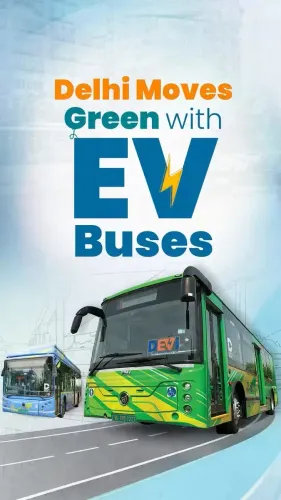
Delhi is set to add 2,800 AC electric buses under the Centre's ₹10,900 crore PM E-DRIVE Scheme, with a further 3,330 buses planned under Phase-II. If targets hold, Delhi's electric bus fleet will nearly double to 7,500 by year-end — a scale that would make it arguably the largest city-level EV bus network in India.
Key Takeaways
Delhi government plans to induct 2,800 AC low-floor electric buses under the PM E-DRIVE Scheme .
The fleet will include 1,400 nine-metre and 1,400 twelve-metre buses to serve both high-density and neighbourhood routes.
Delhi currently operates nearly 4,300 electric buses and aims to reach 7,500 by end of 2024 .
A second phase targets 3,330 more electric buses , including 500 seven-metre feeder buses for peripheral areas.
The PM E-DRIVE Scheme has an approved outlay of ₹10,900 crore and has been operational since 1 October 2024 .
Charging and power infrastructure at bus depots will be built alongside the fleet induction.
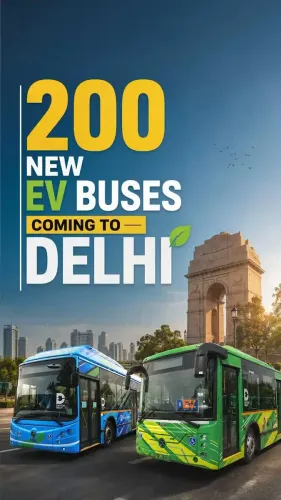
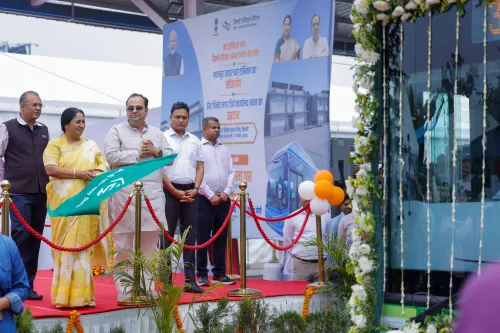
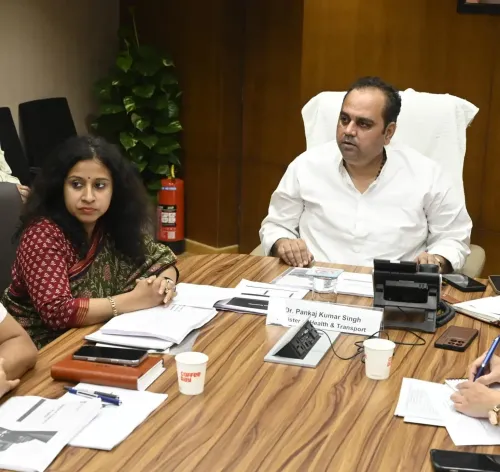
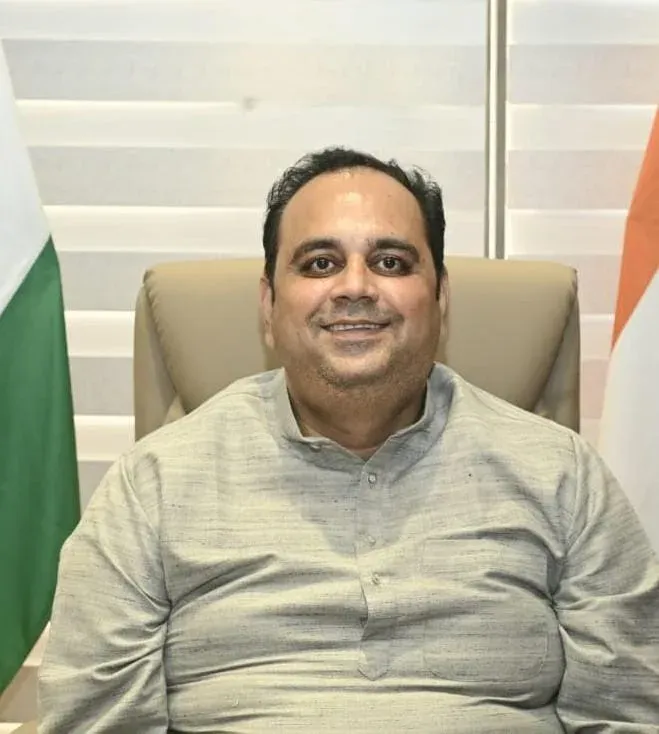
The Delhi government is set to induct 2,800 air-conditioned low-floor pure electric buses under the PM Electric Drive Revolution in Innovative Vehicle Enhancement (PM E-DRIVE) Scheme, a Central government initiative, Delhi Transport Minister Pankaj Kumar Singh announced on 7 June. The move is aimed at expanding last-mile connectivity and reducing vehicular emissions across the national capital.
Proposed Fleet Composition
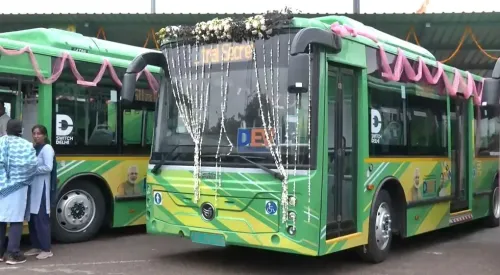
The 2,800-bus fleet will comprise 1,400 nine-metre and 1,400 twelve-metre electric buses, according to Minister Singh. The mix is designed to create a balanced fleet capable of serving both high-density corridors and neighbourhood-level connectivity needs. Charging and power infrastructure at bus depots will be developed alongside the induction to support large-scale fleet electrification.
Delhi's EV Bus Ambition
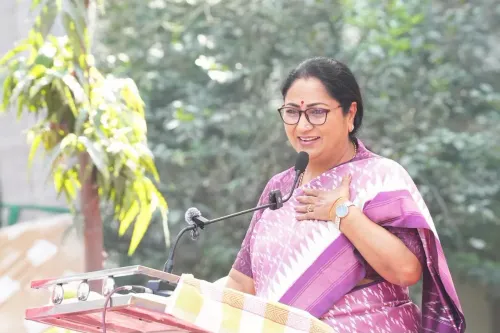
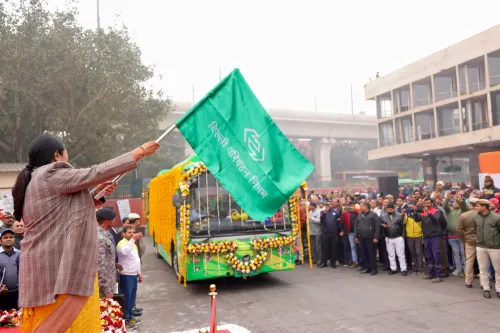
Delhi currently operates nearly 4,300 electric buses, making it one of the largest electric bus fleets in India. The government aims to scale this to approximately 7,500 electric buses by the end of 2024, reinforcing what officials describe as a commitment to sustainable urban mobility. Chief Minister Rekha Gupta has been credited with driving the push to modernise public transport infrastructure and improve commuter experience.
Phase-II Expansion and Feeder Services
Beyond the current proposal, the Delhi government is also pursuing the induction of 3,330 additional electric buses under PM E-DRIVE Phase-II, including 500 seven-metre electric buses specifically intended to strengthen feeder services and last-mile connectivity in residential, rural, and underserved areas. Minister Singh said this second phase will complement the larger bus network and improve access to public transport in peripheral parts of the city.
About PM E-DRIVE Scheme
The PM E-DRIVE Scheme carries an approved financial outlay of ₹10,900 crore and came into effect on 1 October 2024. Its stated objectives include accelerating electric vehicle adoption, establishing charging infrastructure, and building a robust EV manufacturing ecosystem across India. The scheme serves as the financial backbone for Delhi's current and planned electric bus inductions.
Impact on Air Quality and Commuters
Officials expect the expanded electric fleet to contribute meaningfully to reducing vehicular emissions and improving Delhi's chronically poor air quality. The initiative is also expected to provide residents with a more reliable and safer public transport alternative. This comes amid sustained pressure on Delhi to address pollution, particularly during winter months when air quality indices regularly breach hazardous thresholds.
Point of View
But the gap between announcement and operation has historically been wide. The city has made genuine progress — nearly 4,300 EVs on road is not a small number — yet the jump to 7,500 by year-end is aggressive given procurement, depot readiness, and grid capacity constraints. The inclusion of 500 seven-metre feeder buses in Phase-II is the more structurally significant detail: last-mile connectivity, not trunk-route electrification, is where Delhi's public transport actually breaks down. Whether the charging infrastructure keeps pace with the fleet targets will be the real test of this programme's credibility.
NationPress
22 Oct 2026
Frequently Asked Questions
What is the PM E-DRIVE Scheme and how does it relate to Delhi's electric buses?
The PM E-DRIVE (PM Electric Drive Revolution in Innovative Vehicle Enhancement) Scheme is a Central government initiative with an approved outlay of ₹10,900 crore, operational since 1 October 2024, aimed at accelerating EV adoption and building charging infrastructure. Delhi is using the scheme to fund the induction of 2,800 new AC electric buses into its public transport network.
How many electric buses does Delhi currently operate?
Delhi currently operates nearly 4,300 electric buses, making it one of the largest electric bus fleets in India. The government aims to scale this to approximately 7,500 electric buses by the end of 2024.
What types of buses will be added under the current proposal?
The proposed 2,800-bus fleet comprises 1,400 nine-metre and 1,400 twelve-metre air-conditioned low-floor electric buses. The mix is intended to serve both high-density corridors and neighbourhood-level routes.
What is planned under PM E-DRIVE Phase-II for Delhi?
Under Phase-II, Delhi is pursuing the induction of 3,330 additional electric buses, including 500 seven-metre electric buses designed to strengthen feeder services and last-mile connectivity in residential, rural, and underserved areas of the city.
Who is overseeing Delhi's electric bus expansion?
Delhi Transport Minister Pankaj Kumar Singh is leading the initiative, under the broader direction of Chief Minister Rekha Gupta. The government has also committed to building charging and power infrastructure at bus depots to support the expanded fleet.