Delhi to induct 2,800 electric buses under PM e-Drive Scheme by August 2028
Synopsis
Delhi is set to add 2,800 zero-emission electric buses — split equally between 12-metre and 9-metre variants — under PM e-Drive Scheme Phase I, with rollout beginning April 2026 and full integration by August 2028. The move is part of a larger push to grow Delhi's public transport fleet to 14,000 buses by 2028-29, backed by central financial assistance of up to ₹35 lakh per bus.
Key Takeaways
Delhi CM Rekha Gupta announced the induction of 2,800 AC low-floor electric buses under Phase I of the PM e-Drive Scheme on 18 July .
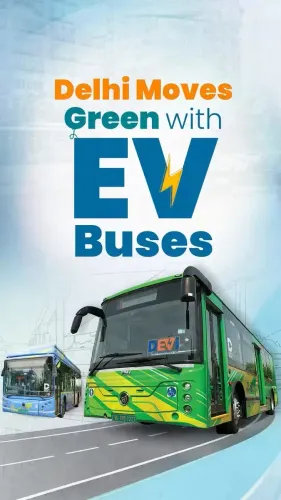
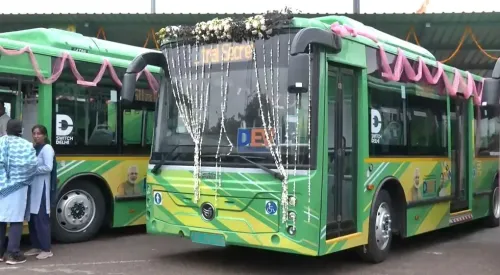
The fleet comprises 1,400 buses of 12 metres and 1,400 buses of 9 metres , the latter targeting narrow roads and last-mile connectivity.
Rollout is scheduled to begin from April 2026 , with full integration by August 2028 .
Central financial assistance is capped at ₹35 lakh per 12-metre bus and ₹25 lakh per 9-metre bus under the scheme.
All buses will be operated by the Delhi Transport Corporation (DTC) under a 12-year Gross Cost Contract (GCC) model.
Delhi targets a total public transport fleet of nearly 14,000 buses by 2028-29 .
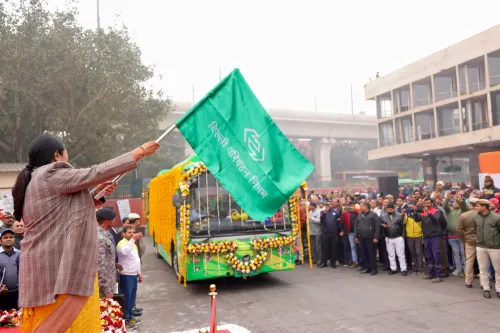
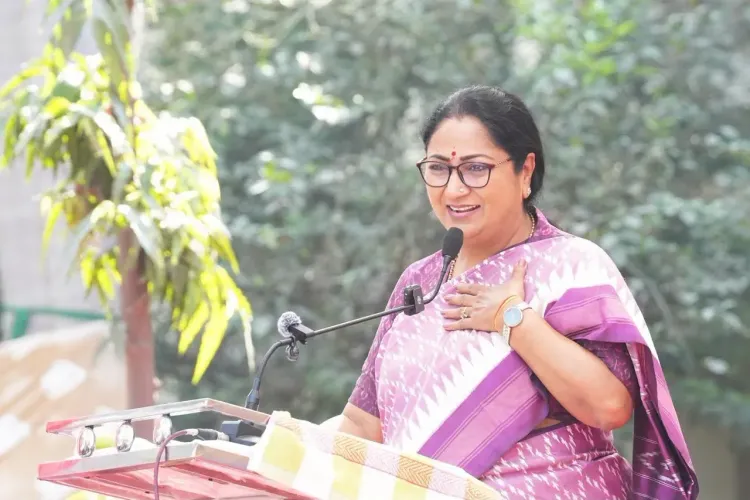
Delhi Chief Minister Rekha Gupta on Saturday, 18 July announced that the city government will induct 2,800 new air-conditioned low-floor electric buses into its public transport fleet under Phase I of the PM e-Drive Scheme. The move is aimed at improving Delhi's air quality and expanding sustainable urban mobility, with the full fleet expected to be integrated by August 2028.
Fleet Composition and Rollout Timeline
Of the 2,800 buses, 1,400 will be 12-metre long and the remaining 1,400 will be 9-metre long. The rollout is targeted to begin from April 2026, with complete integration into Delhi's public transport network by August 2028. Chief Minister Gupta said the addition of these zero-emission buses marks a significant step in line with Prime Minister Narendra Modi's vision of a clean, green and developed India.
Why the 9-Metre Buses Matter
The smaller 9-metre buses are designed specifically for narrower roads and semi-urban or rural stretches within Delhi's jurisdiction, addressing last-mile connectivity gaps that the larger fleet has historically been unable to serve. This dual-size strategy reflects lessons drawn from operational experience with the Delhi Electric Vehicle Interconnector (DEVI) buses, which prompted a revision of the original procurement plan to an equal split between the two sizes.
Procurement and Financial Structure
The requirement for 2,800 electric buses was submitted to Convergence Energy Services Limited (CESL) last year, following which CESL conducted a nationwide competitive bidding process to ensure operations at competitive rates. Under Phase I of the PM e-Drive Scheme, the government provides a maximum financial assistance of ₹35 lakh per 12-metre bus and ₹25 lakh per 9-metre bus.
All buses will operate under the Gross Cost Contract (GCC) model for a period of 12 years, with bus operations and service contracts managed by the Delhi Transport Corporation (DTC).
Broader Fleet Expansion Target
The Delhi government is targeting a total public transport fleet of nearly 14,000 buses by 2028-29. The current induction of 2,800 electric buses represents a foundational step in that larger expansion plan. Notably, this comes as Delhi continues to grapple with some of the worst air quality indices among major global cities, making the shift to zero-emission public transport not merely an infrastructure upgrade but an environmental imperative.
With competitive bidding already completed and financial assistance structures in place, the pace of actual deployment from April 2026 onwards will be closely watched as a measure of the scheme's on-ground execution.
Point of View
800-bus electric induction is a meaningful fleet addition, but context matters: the city currently operates well under the 14,000-bus target it has set for 2028-29, and past expansion timelines have slipped. The dual-size procurement — driven by DEVI operational feedback — is a pragmatic design choice, but the real test is whether DTC's 12-year GCC contracts are structured with performance penalties that ensure service quality rather than just vehicle deployment. Delhi's air quality crisis makes this more than a transport story; it is a public health intervention, and that urgency should be reflected in accountability mechanisms that go beyond competitive bidding.
NationPress
17 Oct 2026
Frequently Asked Questions
What is the PM e-Drive Scheme and how does it apply to Delhi?
The PM e-Drive Scheme is a central government initiative that provides financial assistance for the procurement of electric buses by state governments. Under Phase I, Delhi is inducting 2,800 AC low-floor electric buses, with the Centre offering up to ₹35 lakh per 12-metre bus and ₹25 lakh per 9-metre bus.
When will the new electric buses start operating in Delhi?
The Delhi government is targeting the rollout of the new electric buses from April 2026, with the entire fleet of 2,800 buses expected to be fully integrated into Delhi's public transport network by August 2028.
Why are both 12-metre and 9-metre buses being procured?
The 12-metre buses are suited for high-capacity main corridors, while the 9-metre buses are designed for narrower roads and semi-urban or rural stretches to improve last-mile connectivity. The equal split was decided based on operational experience with the existing DEVI bus fleet.
Who will operate the new electric buses?
All 2,800 buses will be operated by the Delhi Transport Corporation (DTC) under the Gross Cost Contract (GCC) model, with service contracts spanning 12 years.
What is Delhi's overall public transport fleet expansion target?
The Delhi government aims to grow its total public transport fleet to nearly 14,000 buses by 2028-29, with the current 2,800-bus induction forming Phase I of that broader expansion plan.