CM Rekha Gupta Highlights Delhi EV Bus Fleet Expansion
Synopsis
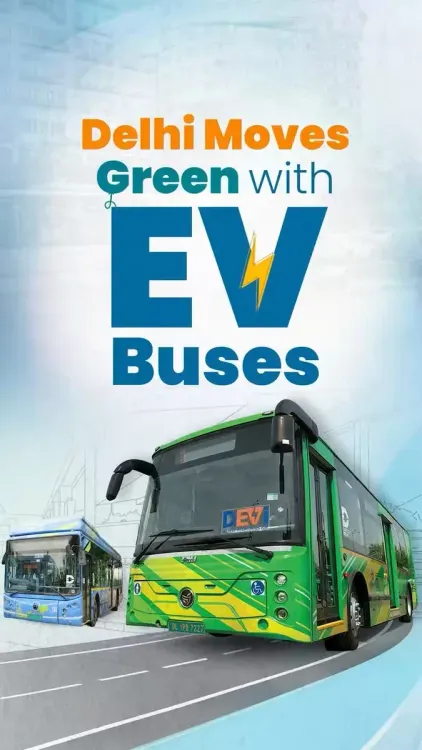
Delhi Chief Minister Rekha Gupta on 28 May 2026 spotlighted the capital's growing EV and DEVi bus network, saying the country's largest electric bus fleet is being expanded to make Delhi's daily commute more convenient, modern, and pollution-free under the #SmartDelhi vision.
Key Takeaways
Delhi Chief Minister Rekha Gupta posted on 28 May 2026 highlighting the expansion of EV and DEVi buses across the capital.
She described the fleet as the country's largest electric bus fleet, being continuously expanded for cleaner and more convenient commutes.
The central FAME-II scheme (2019) sanctioned over 1,000 electric buses for DTC and cluster operations in Delhi.
The PM-eBus Sewa scheme (2023) provided additional central funding for bus electrification in Delhi and other states.
Delhi's EV Policy of 2019 set a target of 25 percent EV penetration by 2024 , situating the bus push within a broader clean-mobility framework.
Future steps include fresh bus procurement tenders and potential integration with upcoming metro extensions and multimodal hubs.
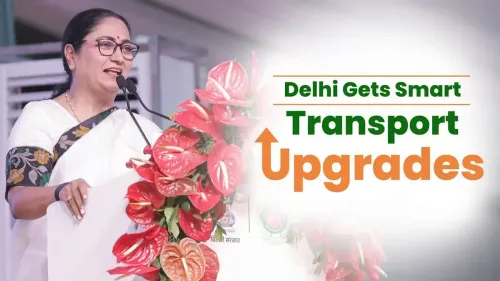
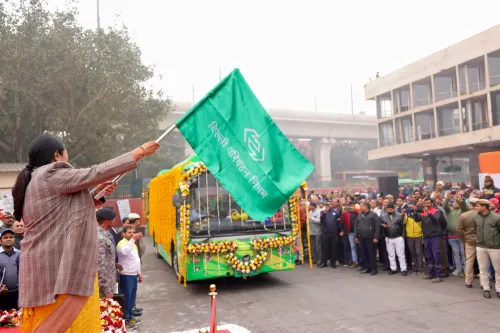
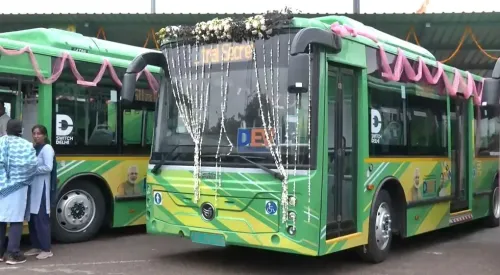
Delhi Chief Minister Rekha Gupta on Thursday, 28 May 2026, highlighted the expanding electric bus network across the capital, stating that EV and DEVi buses are becoming the new identity of daily commute in Delhi. In a post on X, she said the country's largest electric bus fleet is being continuously expanded to make every journey in the city more convenient, modern, and pollution-free.
Context
Chief Minister Gupta's post, tagged #SmartDelhi, drew attention to the on-ground presence of electric buses — in residential colonies, at bus stops, and along everyday commute routes. The message, written in Hindi, stated: 'Aapki colony mein. Aapke bus stop par. Aapke roz ke safar mein' ('In your colony. At your bus stop. In your daily journey'), framing the fleet expansion as a citizen-level experience rather than a policy announcement.
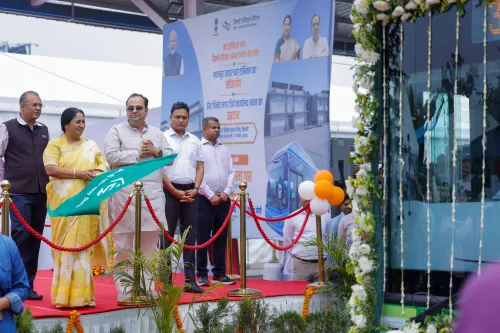
The post was accompanied by a video, underscoring the operational and visual presence of these buses on Delhi's roads. The Chief Minister did not cite specific fleet numbers in the post.
Policy Backdrop
Delhi has been building its electric bus infrastructure through a combination of central and state-level policy frameworks. The central government's FAME-II scheme, active since 2019, sanctioned over 1,000 electric buses for Delhi Transport Corporation (DTC) and cluster bus operations in the capital.
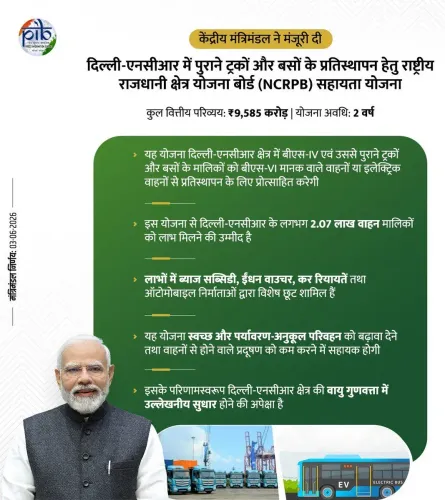
The PM-eBus Sewa scheme, approved in 2023, provided additional central viability gap funding for city bus electrification across states, with Delhi among the key beneficiaries. These initiatives sit within the broader framework of Delhi's Electric Vehicle Policy of 2019, which targeted 25 percent EV penetration by 2024, and India's commitments under the National Clean Air Programme and the country's 2070 net-zero goal.
The Delhi Transport Corporation, the state-owned entity running the city's bus services, has been the primary operator scaling this fleet. Multiple states across India now compete on electric bus fleet size, with central subsidies and state procurement drives shaping the pace of adoption.
Stakeholders and Impact
Delhi's commuters — millions of whom depend on public buses daily — stand as the most direct stakeholders. Bus electrification addresses two persistent concerns in the capital: air quality and the modernisation of ageing public transport infrastructure.
The city consistently ranks among India's most polluted, with vehicular emissions a significant contributor to particulate matter levels. Electric buses reduce tailpipe emissions at the point of use, offering a measurable benefit to air quality alongside the convenience of newer, air-conditioned vehicles. Urban transport operators and charging infrastructure providers are also key players in sustaining fleet growth.
What's Next
The trajectory of Delhi's electric bus programme will be shaped by the outcome of fresh tender processes for additional buses and the pace of charging infrastructure deployment across the city. Integration with upcoming Delhi Metro extensions and multimodal transit hubs could further strengthen last-mile connectivity.
As Indian cities accelerate bus electrification, Delhi's fleet scale and operational experience will serve as a benchmark — and the political stakes around clean transport delivery are likely to remain high ahead of future electoral cycles.
Point of View
Street-level infrastructure improvement — framing bus electrification not as a policy metric but as a daily lived reality for ordinary Delhiites. The messaging aligns with the BJP's broader governance narrative of visible urban delivery, and positions the ruling party in contrast to the previous administration's record on public transport. The spotlight on EV buses also connects to a national arc: the Centre's FAME and PM-eBus Sewa schemes give the BJP a dual advantage — credit at both the state and central level. With air pollution remaining a chronic electoral concern in Delhi, clean transport is a rare issue that bridges environmental, economic, and political imperatives simultaneously.
NationPress
21 Oct 2026
Frequently Asked Questions
What are DEVi buses in Delhi?
DEVi is a branding used for a category of electric buses operating in Delhi as part of the capital's push to expand its public electric bus fleet under DTC and cluster bus operations.
How many electric buses does Delhi have?
Under the central FAME-II scheme approved in 2019, Delhi received sanction for over 1,000 electric buses for DTC and cluster operations; additional buses have been added through the PM-eBus Sewa scheme sanctioned in 2023.
What is the PM-eBus Sewa scheme?
The PM-eBus Sewa scheme, approved in 2023, is a central government programme that provides viability gap funding to cities including Delhi to procure and operate electric buses on urban routes.
What is Delhi's Electric Vehicle Policy?
Delhi's Electric Vehicle Policy, launched in 2019, set a target of 25 percent EV penetration across vehicle categories by 2024 and laid out incentives for electric buses, autos, and personal vehicles.
Why is Delhi expanding its electric bus fleet?
Delhi is expanding its electric bus fleet to reduce vehicular air pollution — a major contributor to the city's particulate matter levels — while also modernising public transport infrastructure in line with India's National Clean Air Programme and 2070 net-zero commitment.