Delhi EV Policy 2026 gets 700 responses in public consultation
Synopsis
He added that the government is committed to formulating a progressive, implementation-oriented EV policy that accelerates the adoption of clean mobility while safeguarding environmental and public health interests. Suitable recommendations from stakeholders will be incorporated wherever appropriate to make the policy more robust, inclusive, and implementation-focused.
Why This Matters for Delhi
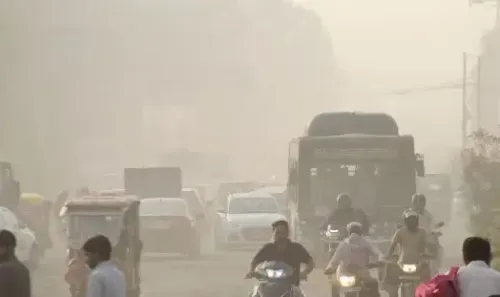
Delhi consistently ranks among the world's most polluted cities, and transport is a major contributor to its air quality crisis. The Draft Delhi EV Policy 2026 is intended to succeed earlier EV frameworks and accelerate the shift away from internal combustion engine vehicles. The unusually high volume of public responses — particularly the 400 submissions from ordinary residents — suggests that air quality and mobility costs are live concerns for Delhi's population. This is also notable because gig workers and delivery riders, often overlooked in policy conversations, have participated directly in the process. The final policy is expected to reflect inputs from across the mobility ecosystem, from individual commuters to large fleet operators.
What Comes Next
The consultation window has now closed, and the Transport Department will review and incorporate suitable recommendations into the final policy. No timeline for the release of the final Delhi EV Policy 2026 has been announced yet, but officials have indicated the focus will be on making it implementation-ready and inclusive.
Key Takeaways
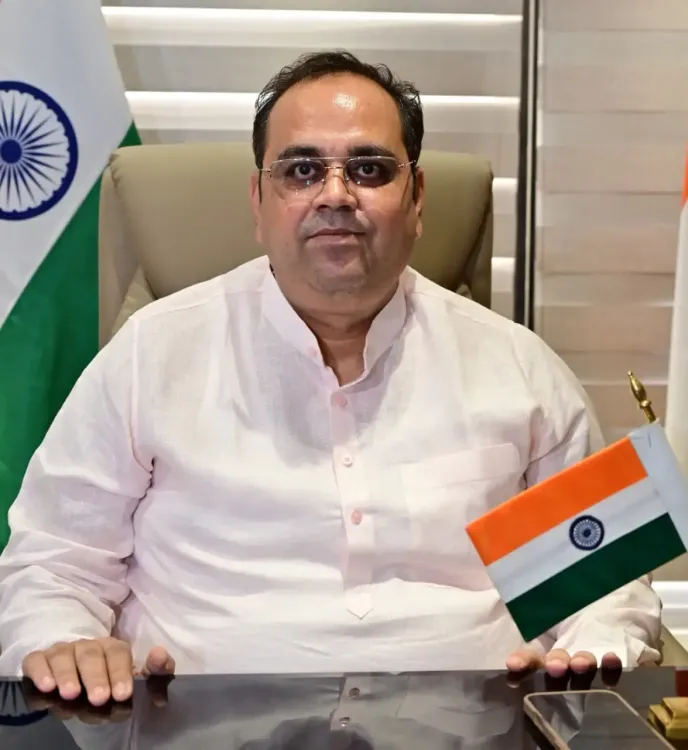
Delhi Transport Minister Pankaj Kumar Singh announced nearly 700 responses to the Draft Delhi EV Policy 2026 on 11 May 2025 .
Around 400 submissions came from the general public, including residents, gig workers, and delivery riders.
Approximately 200 responses were received from industry stakeholders such as OEMs, charge point operators, and fleet aggregators.
More than 50 institutions — including NGOs, think tanks, and universities — submitted feedback.
Around a dozen submissions came from government departments, ministries, and statutory authorities.
The government has committed to incorporating suitable recommendations to make the final policy robust and implementation-focused.
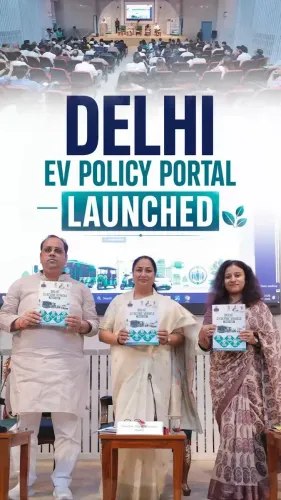
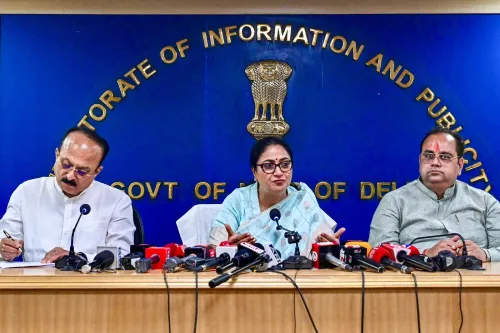
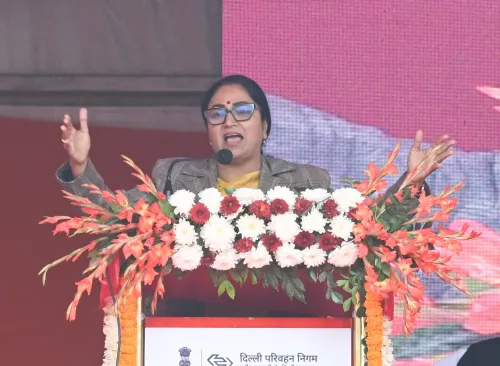
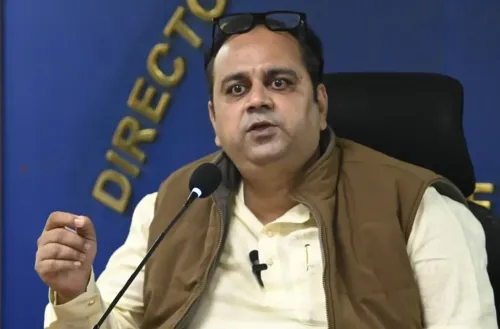
Delhi Transport Minister Pankaj Kumar Singh announced on Monday, 11 May that the government has received nearly 700 responses to the Draft Delhi EV Policy 2026 during a month-long public consultation process that closed on 10 May. The responses came from a wide cross-section of stakeholders, including citizens, industry players, institutions, and government bodies, signalling broad public interest in shaping the capital's clean mobility future.
Breakdown of Responses
Of the nearly 700 total submissions, around 400 came from the general public — individual residents, vehicle owners, commuters, Resident Welfare Associations (RWAs), students, delivery riders, and gig workers. Approximately 200 submissions were received from industry stakeholders, including Original Equipment Manufacturers (OEMs), charge point operators, battery swapping operators, vehicle scrappers, battery recyclers, DISCOMs, and fleet aggregators. More than 50 responses were submitted by institutions such as schools, NGOs, think tanks, research institutions, universities, and international organisations. Around a dozen submissions came from various government departments, ministries, and statutory authorities.
Stakeholder Consultation Process
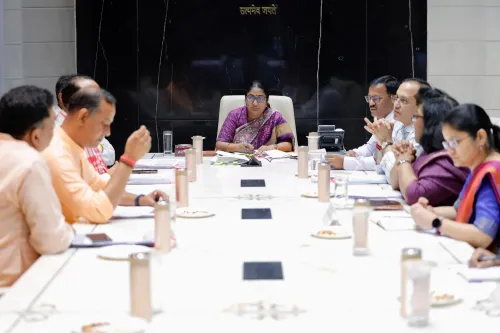
Beyond online and offline submissions, the Delhi Transport Department organised a series of stakeholder consultation conferences with OEMs across segments — two-wheelers, three-wheelers, four-wheelers, goods vehicles, and e-rickshaws. Charge Point Operators (CPOs), battery swapping operators, and fleet aggregators were also part of the deliberations. The consultations were designed to ensure wider participation and meaningful discussion on the proposed policy framework.
What the Government Said
Minister Pankaj Kumar Singh said,
Point of View
But the composition matters more than the count. The participation of gig workers, delivery riders, and RWAs alongside OEMs and DISCOMs suggests that Delhi's EV policy conversation has moved beyond the boardroom. The real test, however, is whether the final policy reflects the concerns of low-income vehicle users — who face the steepest transition costs — or defaults to incentive structures that primarily benefit organised industry. Past Delhi transport policies have often been aspirationally drafted but unevenly enforced; the 2026 framework's credibility will hinge on its implementation roadmap, not its consultation numbers.
NationPress
24 Sept 2026
Frequently Asked Questions
What is the Draft Delhi EV Policy 2026?
The Draft Delhi EV Policy 2026 is a proposed framework by the Delhi government to accelerate the adoption of electric vehicles and promote clean mobility in the capital. It was placed in the public domain for 30 days, closing on 10 May, to gather feedback from citizens, industry, and institutions.
How many responses did the Delhi EV Policy 2026 receive?
The Delhi government received nearly 700 responses during the public consultation period. Around 400 came from the general public, 200 from industry stakeholders, over 50 from institutions, and about a dozen from government bodies.
Who participated in the Delhi EV Policy 2026 consultation?
Participants included individual residents, vehicle owners, commuters, RWAs, students, gig workers, OEMs, charge point operators, battery recyclers, DISCOMs, fleet aggregators, NGOs, think tanks, universities, and government departments.
What happens next after the consultation closes?
The Delhi Transport Department will review all submissions and incorporate suitable recommendations into the final EV policy. No specific timeline for releasing the final policy has been announced yet.
Why is the Delhi EV Policy 2026 significant?
Delhi is among the world's most polluted cities, with transport being a major contributor to poor air quality. The new EV policy aims to accelerate the shift to electric vehicles across all segments, from two-wheelers and e-rickshaws to goods vehicles and fleet operators.