Key Elements of Delhi's Draft EV Policy 2026: Financial and Infrastructure Initiatives
Synopsis
The Delhi government has unveiled its draft Electric Vehicle Policy 2026, inviting public feedback. This comprehensive policy includes financial incentives, mandatory electrification timelines, and infrastructure enhancements aimed at promoting electric mobility in the capital.
Key Takeaways
Electric Three-Wheelers: Only electric three-wheelers to be registered from January 1, 2027.
Electric Two-Wheelers: Mandatory registration of electric two-wheelers starts April 1, 2028.
Financial Incentives: Up to Rs 30,000 for two-wheelers, Rs 50,000 for three-wheelers over three years.
Scrapping Incentives: Financial benefits for phasing out older vehicles to improve air quality.
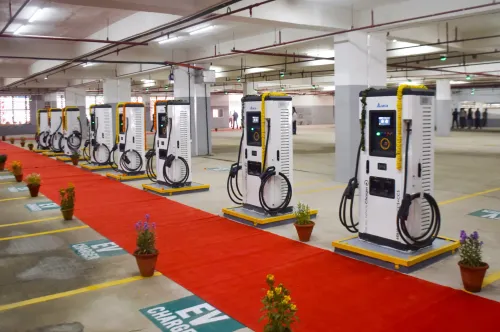
Infrastructure Development: Significant investment in charging infrastructure to support EV adoption.
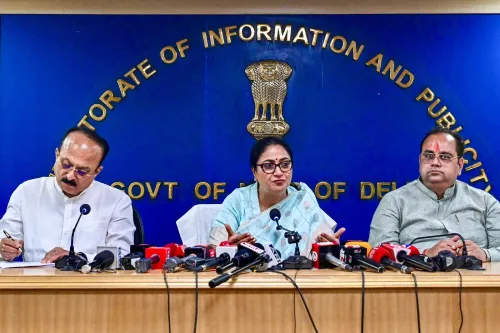
New Delhi, April 11 (NationPress) In an initiative to enhance electric mobility, the Delhi government has released its draft Electric Vehicle (EV) Policy 2026 for public consultation, featuring a range of proposals from financial incentives to infrastructure improvements, according to an official announcement.
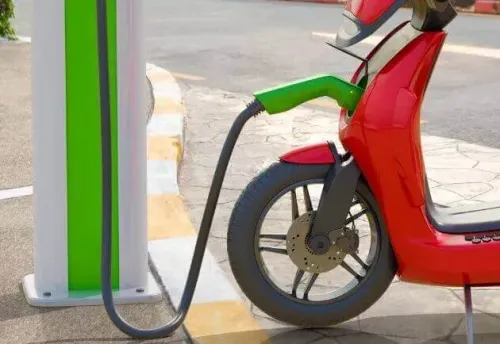
The policy stipulates that from 2027, only electric three-wheelers will be permitted for registration in Delhi, followed by electric two-wheelers in 2028. It proposes substantial financial incentives, tax exemptions, mandatory guidelines, and infrastructure enhancements to encourage the adoption of EVs.
As outlined in the draft, purchase incentives for electric two-wheelers will be offered in a staggered approach based on battery capacity. Vehicles with a price tag of up to Rs 2.25 lakh (ex-factory) will qualify for incentives of up to Rs 30,000 in the first year, Rs 20,000 in the second year, and Rs 10,000 in the third year, as stated by an official.
Electric three-wheelers (L5M category) will be eligible for incentives of Rs 50,000, Rs 40,000, and Rs 30,000 over three years, while electric four-wheeler goods vehicles (N1 category) can expect incentives of Rs 1 lakh, Rs 75,000, and Rs 50,000 during the same timeframe, as reported.
The policy also suggests scrapping incentives to phase out older, polluting vehicles, offering benefits of Rs 10,000 for electric two-wheelers, Rs 25,000 for three-wheelers, Rs 1 lakh for non-transport electric cars, and Rs 50,000 for goods vehicles. These incentives apply to vehicles up to BS-IV standards, subject to conditions like scrapping certification and timelines.
An EV fund will be established to finance the policy, supported by budget allocations, central and state schemes, environmental funds, and other resources, as mentioned in the statement.
The draft policy will be open for public comments until May 10 and aims to accelerate the adoption of electric mobility in the national capital through financial incentives, regulatory measures, and infrastructure development.
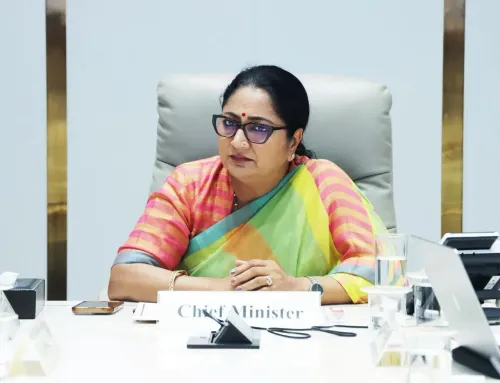
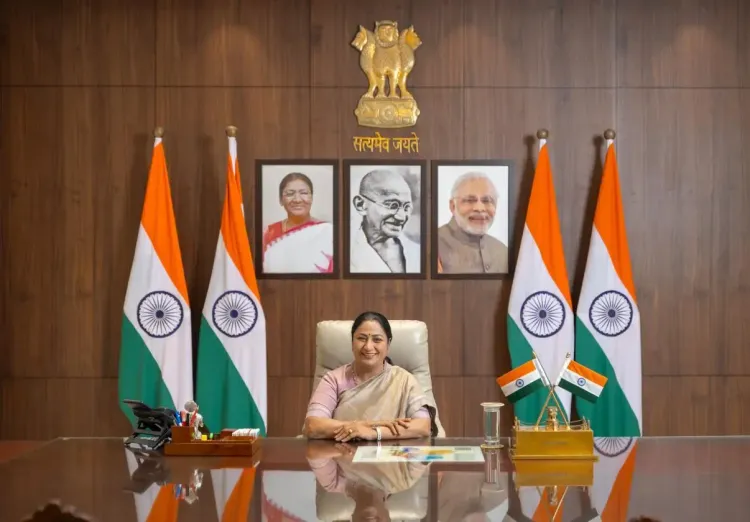
Chief Minister Rekha Gupta expressed that the draft policy, intended to remain in effect until March 31, 2030, outlines a comprehensive framework to promote clean and sustainable transport in the city.
She emphasized that the policy merges fiscal support, tax exemptions, infrastructure projects, and regulatory measures to foster adoption.
“The proposed Delhi EV Draft Policy 2026 is a major advancement towards creating a clean, accessible, and sustainable transportation system in the capital. Extensive financial incentives, tax exemptions, mandatory provisions, and infrastructure growth have been highlighted to promote electric vehicles in Delhi,” stated the Chief Minister.
The government has allocated a total budget of Rs 3,954.25 crore for the policy. This encompasses Rs 1,236.25 crore for purchase incentives, Rs 1,718 crore for scrapping incentives, and Rs 1,000 crore for the development of charging infrastructure, as per the statement.
The monetary allocations are detailed year-wise, with Rs 965.5 crore projected for the first year, Rs 1,012.75 crore for the second year, Rs 1,231.5 crore for the third year, and Rs 744.5 crore for the fourth year, the statement indicated.
A key aspect of the draft policy is the gradual implementation of mandatory electrification. Starting January 1, 2027, only electric three-wheelers will be allowed for new registrations, and from April 1, 2028, only electric two-wheelers will be registered in Delhi.
The policy also requires a gradual transition of school buses to electric, aiming for 10% conversion by the end of the second year, 20% by the third year, and 30% by March 2030.
For fleet aggregators, the policy mandates that no conventional ICE vehicles solely operating on diesel or petrol will be incorporated into the existing fleet from January 2026, while other regulations from the Delhi Motor Vehicle Aggregator and Delivery Service Provider Scheme 2023 will be applicable.
Additionally, the government aims to prioritize electric vehicles in its own fleet. All vehicles acquired or leased by departments under the Government of NCT of Delhi will be electric, with certain exemptions granted.
Moreover, all new inter-state buses introduced by the Delhi Transport Corporation and the transport department will be electric, according to the announcement.
For the first time, the policy also includes provisions for recycling infrastructure in collaboration with the environment department, ensuring that vehicle manufacturers (OEMs) and other accountable parties comply with the Battery Waste Management Rules, 2022. This includes proper handling, reporting, and recycling of used batteries under the Extended Producer Responsibility (EPR).
The Delhi Pollution Control Committee (DPCC) will assist in establishing battery collection centers throughout Delhi through public-private partnerships, facilitating the disposal of used batteries.
Point of View
It's crucial to recognize the significance of the Delhi government's draft EV Policy 2026. This initiative reflects a forward-thinking approach to tackle environmental challenges while promoting electric mobility. The proposed measures, if implemented effectively, could pave the way for cleaner and more sustainable transportation in urban areas.
NationPress
18 Sept 2026
Frequently Asked Questions
What is the primary goal of Delhi's draft EV Policy 2026?
The main aim is to enhance electric mobility in the capital through financial incentives, regulatory measures, and infrastructure improvements.
When will electric three-wheelers and two-wheelers be mandatory for registration?
Electric three-wheelers will be mandatory from January 1, 2027, and electric two-wheelers from April 1, 2028.
What financial incentives are offered under this policy?
Incentives include up to Rs 30,000 for electric two-wheelers, Rs 50,000 for electric three-wheelers, and Rs 1 lakh for electric four-wheeler goods vehicles over three years.
How much funding has been allocated for this policy?
The total outlay for the policy is Rs 3,954.25 crore, which includes funds for purchase incentives, scrapping incentives, and charging infrastructure development.
How does the policy address battery waste management?
The policy introduces recycling infrastructure to ensure compliance with the Battery Waste Management Rules, focusing on proper handling and recycling of used batteries.