Punjab CM Bhagwant Mann Govt Claims ₹1.89 Lakh Crore Investment in 4 Years
Synopsis
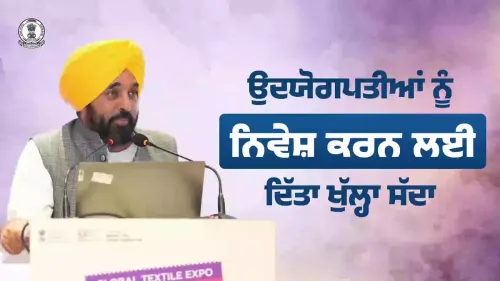
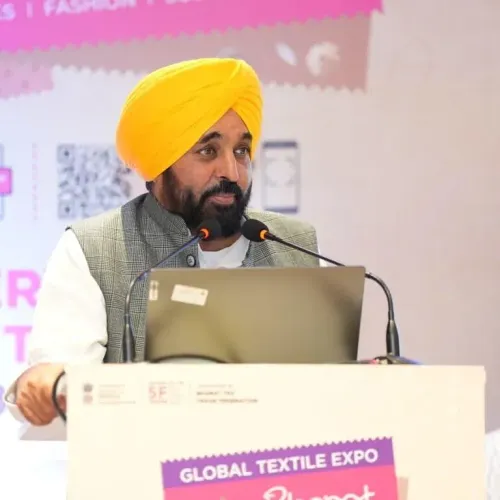
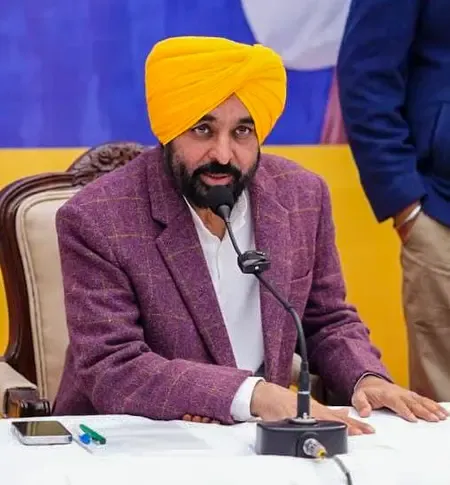
The Chief Minister's Office of Punjab announced on 26 September 2026 that the Bhagwant Mann government has attracted ₹1.89 lakh crore in investments over four years, generating employment potential for 6.31 lakh youth, with Mohali topping new investment proposals at ₹9,478 crore.
Key Takeaways
₹1.89 lakh crore in investments claimed by the Punjab government over the 2022–2026 period under Chief Minister Bhagwant Mann .
Employment potential projected for 6.31 lakh youth — these are government-stated figures and have not been independently verified.
Mohali (SAS Nagar) leads new investment proposals at ₹9,478 crore , ahead of traditional industrial hub Ludhiana at ₹4,968 crore .
The Invest Punjab single-window clearance initiative has been central to the state's investor outreach strategy.
Punjab's industrial push aims to diversify the state economy beyond agriculture and the traditional Ludhiana-Amritsar corridor.
Independent verification of committed versus realised investment figures remains pending and is a key metric to watch in 2026-27 .
Four years into power, the Aam Aadmi Party government in Punjab is putting a headline number on its industrial push: ₹1.89 lakh crore in investments attracted since 2022, with an employment potential claimed for 6.31 lakh youth across the state. The Chief Minister's Office of Punjab announced the figures on Saturday, 26 September 2026, framing the state as a rising industrial destination under Chief Minister Bhagwant Mann.
Mohali overtakes Ludhiana in new investment proposals
The most striking data point in the announcement is geographic. Mohali — formally known as SAS Nagar, the planned satellite city nestled beside Chandigarh — leads new investment proposals at ₹9,478 crore, edging out Ludhiana, Punjab's traditional industrial engine, which recorded proposals worth ₹4,968 crore. That inversion tells a story. Ludhiana has anchored Punjab's manufacturing economy for decades through textiles, auto components and light engineering. Mohali's emergence at the top reflects a deliberate pivot — the state has positioned the district as a destination for IT, electronics and modern manufacturing, sectors that were barely present in Punjab's industrial map a decade ago.
A decade-long ambition to reduce farm dependence
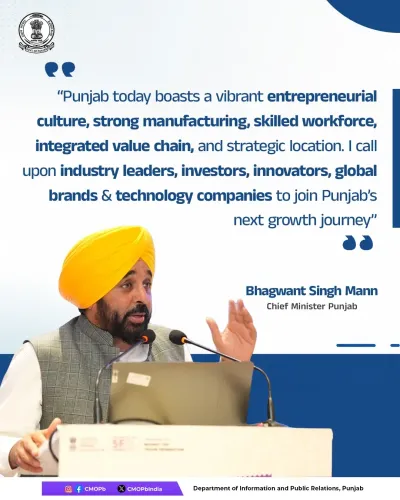
Punjab's industrial ambitions did not begin with the current government. The state has long sought to diversify away from agriculture, which still employs the majority of its rural workforce but generates economic stress through agrarian debt and stubble-burning cycles. The Punjab Industrial and Business Development Policy 2017 laid earlier groundwork — offering incentives for new manufacturing units and pushing ease-of-doing-business improvements. The Mann government has built on that framework through Invest Punjab, a single-window clearance initiative designed to reduce bureaucratic friction for domestic and foreign investors. The post's hashtag #InvestPunjab references this ongoing campaign directly.
Investment pledges vs. jobs on the ground
The figures carry an important caveat. The ₹1.89 lakh crore total and the 6.31 lakh employment-potential count are government claims covering the 2022–2026 period, and independent verification of how much capital has actually been deployed — versus committed on paper at summits and MoU-signing events — remains outstanding. Across Indian states, a persistent gap between announced investment intentions and realised factory floors, jobs, and wage flows is a known pattern. The government's own language of 'investment potential' and 'employment potential' signals these are projections, not yet audited outcomes. What to watch: whether Punjab releases district-level realisation data in the upcoming 2026-27 budget or investor summit cycle.
Still, the direction of travel is visible. Investment footprint expanding to districts beyond the old Ludhiana-Amritsar corridor, investor confidence metrics trending upward, and new sectors anchoring in Mohali — together these signal a structural shift, however early-stage. If the numbers hold under scrutiny, Punjab's industrial story in this decade will look meaningfully different from the last.
The benchmark has been set publicly. Now comes the harder task: turning pledges into payslips.
Point of View
Timed four years into the AAP government's Punjab tenure and designed to cement the narrative of industrial transformation ahead of any future electoral cycle. The Mohali-over-Ludhiana inversion in new proposals is the most substantively interesting data point — it suggests the state's investment geography is genuinely shifting, not just recycling legacy industrial addresses. The critical analytical question, however, is realisation rate: Indian states routinely announce lakh-crore investment figures at summits that partially or slowly materialise on the ground. Until Punjab publishes district-level project commissioning and employment data, the ₹1.89 lakh crore figure functions primarily as a political benchmark rather than a verified economic achievement.
NationPress
26 Sept 2026
Frequently Asked Questions
How much investment has Punjab attracted under Bhagwant Mann?
The Chief Minister's Office of Punjab claims the Bhagwant Mann government has attracted ₹1.89 lakh crore in investments over the last four years (2022–2026). These are government-stated figures and independent verification is pending.
Which district leads Punjab in new investment proposals in 2026?
Mohali (SAS Nagar) leads Punjab's new investment proposals at ₹9,478 crore , surpassing Ludhiana which recorded proposals worth ₹4,968 crore .
How many jobs will Punjab's new investments create?
The Punjab government has claimed an employment potential for 6.31 lakh youth from investments attracted over the last four years. This is a projected figure from the government and has not been independently audited.
What is the Invest Punjab scheme?
Invest Punjab is the state government's single-window clearance initiative designed to simplify approvals and reduce bureaucratic delays for domestic and foreign investors setting up projects in Punjab.
Why is Mohali emerging as an industrial hub in Punjab?
Mohali is strategically located adjacent to Chandigarh and has been positioned by the state government as a destination for IT, electronics and modern manufacturing sectors, diversifying Punjab's industrial base beyond the traditional Ludhiana-Amritsar corridor.