Giriraj Singh backs Panchayat Bhawan and JEEViKA push in Bihar
Synopsis
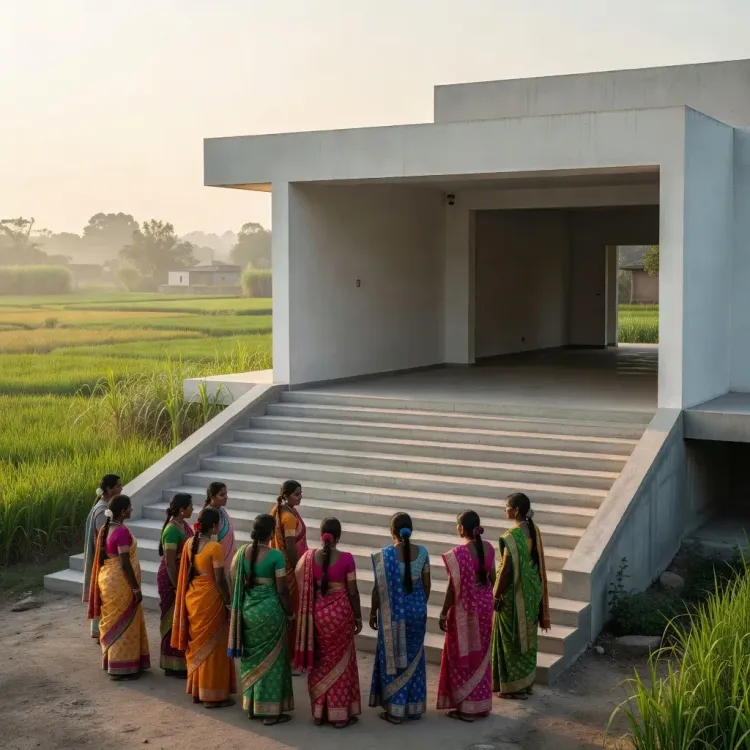
Union Textiles Minister Giriraj Singh praised the construction of new Panchayat Sarkar Bhawans and the launch of JEEViKA Bhawans in Bihar, calling them vital steps to strengthen grassroots administration and empower rural women through better infrastructure.
Key Takeaways
Giriraj Singh on September 26, 2026 welcomed new Panchayat Sarkar Bhawans and JEEViKA Bhawans in Bihar.
The Panchayat Sarkar Bhawan initiative gives village councils dedicated administrative buildings, strengthening service delivery at the grassroots level.
JEEViKA began as a Bihar pilot in 2007 and scaled statewide under the National Rural Livelihoods Mission from 2011 , organising rural women into self-help groups.
New JEEViKA Bhawans provide dedicated physical spaces for women's SHG activities, boosting economic participation and institutional legitimacy.
The move is rooted in the 73rd Constitutional Amendment of 1992 , which mandated three-tier Panchayati Raj institutions across India.
Future state budget allocations for Bihar's panchayat buildings and JEEViKA expansion will determine the scale of this rural infrastructure push.
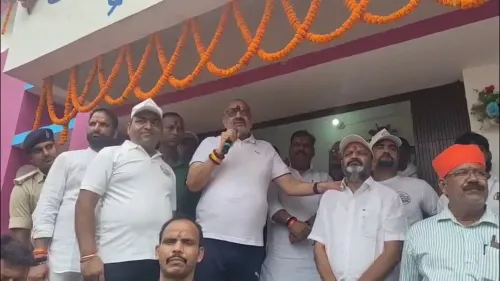
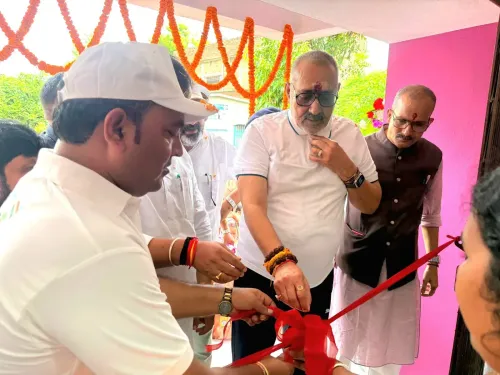
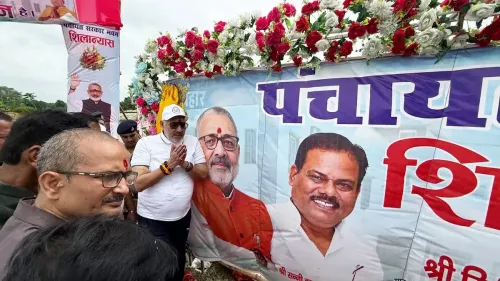
Two pillars of rural Bihar are getting a concrete upgrade — literally. Union Textiles Minister Giriraj Singh on Saturday, September 26, 2026, welcomed the construction of new Panchayat Sarkar Bhawans and the launch of JEEViKA Bhawans, calling them critical steps toward stronger grassroots administration and greater economic agency for rural women.
What a Panchayat Bhawan actually changes on the ground
For decades, India's village councils have often functioned from makeshift or borrowed spaces — limiting their reach and authority. The Panchayat Sarkar Bhawan initiative by the Bihar government directly addresses this gap by giving panchayat bodies a dedicated administrative home. Singh underlined that the new buildings will 'strengthen administrative services at the panchayat level,' making government delivery faster and more accountable in the last mile.
This push traces back to the 73rd Constitutional Amendment of 1992, which mandated a three-tier Panchayati Raj system — at village, block, and district levels — to decentralize power. Over three decades later, physical infrastructure is finally catching up with constitutional intent in large swathes of rural Bihar.
JEEViKA Bhawan and the woman at its centre
JEEViKA — Bihar's flagship rural livelihoods programme — began as a state pilot in 2007 before scaling statewide under the National Rural Livelihoods Mission (NRLM) from 2011. It organises rural women into self-help groups (SHGs), giving them access to credit, skill training, and collective economic power. The new JEEViKA Bhawans go one step further: they give these women a physical base — a dedicated space to meet, plan, and expand their work.
Singh put it plainly: the buildings will give 'women associated with JEEViKA a better foundation to advance their activities.' For an SHG that previously borrowed a corner of a school or a community hall, a purpose-built space is not a small thing. It is legitimacy made visible.
Bihar's rural infrastructure moment — and why a Textiles Minister is watching
Singh is a Lok Sabha MP from Begusarai, Bihar, and has long been a vocal advocate on rural development issues in his home state — even as his central portfolio sits in Textiles. His post reflects a pattern where Bihar-origin Union ministers publicly champion state-level implementations of centrally backed schemes, amplifying visibility for programmes that blend central funds with state execution.
The government, Singh wrote, is 'continuously working with commitment to accelerate rural development and strengthen facilities in villages' — a framing that positions these infrastructure launches not as one-offs but as part of a sustained, deliberate push.
The real measure of that commitment will come in state budget allocations for future Panchayat Bhawan construction and the next phases of JEEViKA expansion across Bihar's districts. The buildings are up. Now the question is whether the institutions inside them deliver.
Point of View
Panchayati Raj — with on-ground state-level delivery, especially in electorally significant Bihar. By amplifying these launches, a Union Minister signals Centre-state alignment on rural welfare ahead of cycles of budgetary and political scrutiny. The dual focus on administrative buildings and women's SHG spaces also reflects a deliberate narrative that rural development is both institutional and gendered — an increasingly prominent frame in Indian policy communication. Whether the physical infrastructure translates into measurable governance outcomes will be the harder, longer test.
NationPress
26 Sept 2026
Frequently Asked Questions
What is the Panchayat Sarkar Bhawan initiative in Bihar?
The Panchayat Sarkar Bhawan initiative is a Bihar government programme to construct dedicated administrative buildings at the panchayat level, improving local governance and public service delivery in rural areas.
What is JEEViKA and how does the JEEViKA Bhawan help?
JEEViKA is Bihar's rural livelihoods programme under the National Rural Livelihoods Mission that organises women into self-help groups. JEEViKA Bhawans are dedicated buildings providing these women a formal space to conduct and expand their economic activities.
Why is Textiles Minister Giriraj Singh commenting on Bihar rural development?
Giriraj Singh is a Lok Sabha MP from Begusarai, Bihar, and regularly speaks on development issues in his home state even though his central portfolio is Textiles. Bihar-origin Union ministers often champion state implementations of central schemes.
What is the National Rural Livelihoods Mission?
The National Rural Livelihoods Mission is a central government scheme launched in 2011 to organise rural poor — especially women — into self-help groups for sustainable livelihoods, credit access, and skill development.
What constitutional basis do Panchayati Raj institutions have in India?
The 73rd Constitutional Amendment of 1992 mandated a three-tier Panchayati Raj structure at village, block, and district levels to decentralize governance and empower local bodies across India.