Punjab drug crisis needs action, not rallies, says LoP Bajwa
Synopsis
Punjab's Leader of Opposition Partap Singh Bajwa has turned the BJP's 13-day 'Nasha Mukt Punjab Yatra' into a dual accountability moment — demanding the Centre explain what its expanded BSF jurisdiction has actually achieved since 2021, while simultaneously warning AAP it cannot hide behind Centre-blaming. His pointed questions on drone interceptions, jail-run crime networks, and cross-border financiers cut through the political theatre around the drug crisis.
Key Takeaways
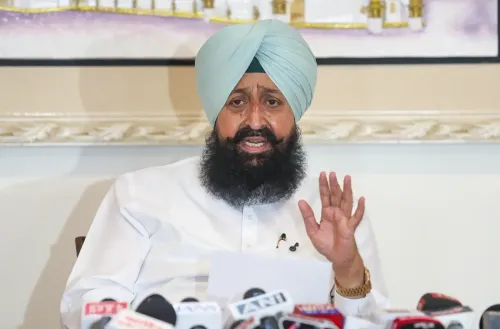
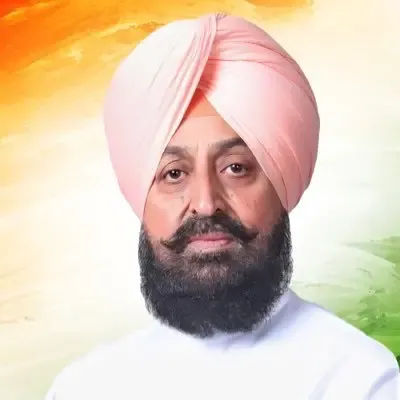
Partap Singh Bajwa , Leader of Opposition in the Punjab Vidhan Sabha , on 30 September said Punjab's drug crisis cannot be solved through political yatras or rallies.
He questioned what measurable impact the BSF 's expanded jurisdiction — from 15 km to 50 km since 2021 — has had on cross-border drug smuggling.
Bajwa demanded data on drone interceptions, trafficking network prosecutions, and action against cross-border financiers from the Union government .
He flagged gangsters lodged in jails in Gujarat, Rajasthan, Haryana, Uttarakhand , and Delhi allegedly running crime and extortion networks from prison.
Bajwa also held the AAP -led Punjab government accountable for policing, local intelligence, rehabilitation, and action against street-level drug peddlers.
He directed questions jointly at Home Minister Amit Shah and Chief Minister Bhagwant Mann on who is financing and protecting drug networks.
Congress leader and Leader of Opposition in the Punjab Vidhan Sabha, Partap Singh Bajwa, on Wednesday, 30 September declared that the state's deepening drug crisis cannot be resolved through political marches, yatras, or sloganeering — and demanded accountability from both the Bharatiya Janata Party (BJP)-led Union government and the Aam Aadmi Party (AAP)-led Punjab government.
Bajwa's Challenge to the Centre
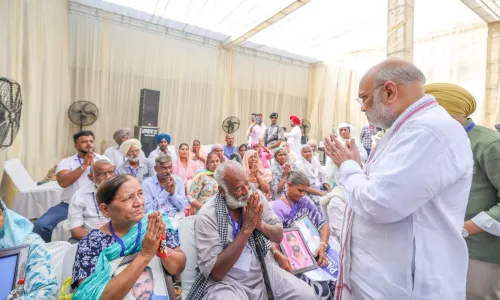
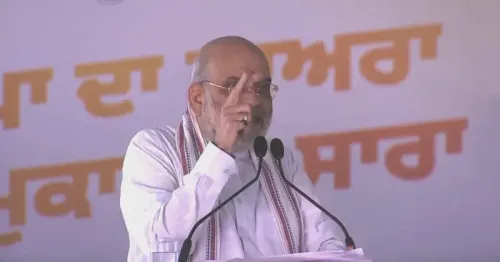
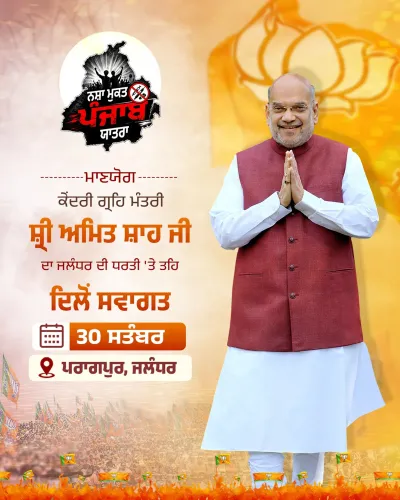
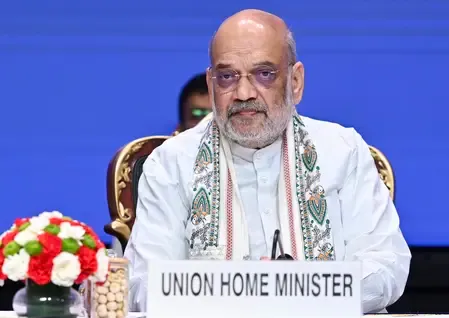
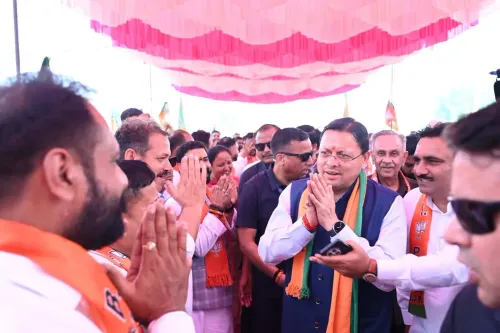
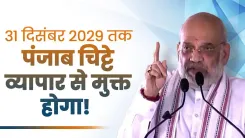
Bajwa's remarks came in direct response to Union Home Minister Amit Shah's visit to Punjab for the culmination of the BJP's 13-day 'Nasha Mukt Punjab Yatra'. The Opposition leader demanded that the Centre explain the measurable impact of its decision to expand the Border Security Force (BSF)'s operational jurisdiction from 15 km to 50 km along the Punjab-Pakistan border — a move made in 2021 on grounds of stronger border security.
'The Centre expanded the BSF's jurisdiction to 50 km citing the need for stronger border security. Punjab has since witnessed continued reports of cross-border drug smuggling, including the use of drones. What has the Centre achieved with this additional jurisdiction? How many major trafficking networks have actually been dismantled?' Bajwa said in a statement.
Drone Smuggling and Border Accountability
Bajwa pressed further, asking the Union government to quantify drone interceptions, identify cross-border handlers and financiers, and disclose how many trafficking networks have been prosecuted. He argued that if the border is the primary line of defence against narcotics entering Punjab, the Centre must own responsibility for securing it.
'If the border is the first line of defence against narcotics entering Punjab, the Union government must accept responsibility for securing that first line of defence,' he said. He also called on the Centre to detail concrete action taken against trafficking networks operating through other states, ports, and financial channels, asserting that 'Punjab cannot be treated merely as the destination of a supply chain whose origins and financial networks extend far beyond the state.'
Gangsters Running Networks from Jails in BJP-Ruled States
The Opposition leader also raised the issue of gangsters lodged in prisons in Gujarat, Rajasthan, Haryana, Uttarakhand, and Delhi, who he alleged are continuing to operate crime and extortion syndicates from behind bars. Bajwa demanded that the Centre and the respective state governments explain what steps are being taken to sever these networks.
'Gangsters lodged in jails in BJP-ruled states cannot be allowed to threaten, extort and terrorise Punjabis through networks operating outside prison,' he said.
AAP Also Under Fire
Notably, Bajwa was equally pointed in his criticism of the ruling AAP government in Punjab, rejecting any attempt by it to deflect blame entirely onto the Centre. He listed policing, local intelligence, action against street-level peddlers, rehabilitation, and protection of vulnerable communities as responsibilities that squarely fall on the state government.
'The BJP cannot wash its hands of the drug crisis by blaming AAP, and AAP cannot wash its hands by blaming the Centre. Punjab needs results, not rallies and slogans,' Bajwa said.
Dual Accountability Demanded
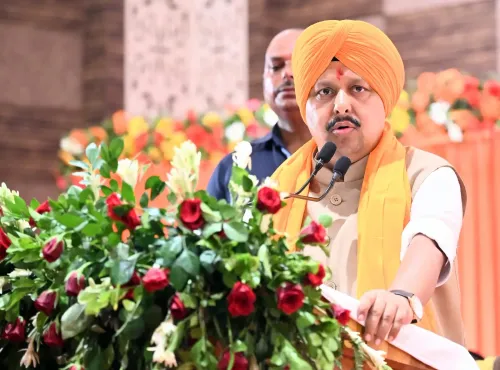
Wrapping up his statement, Bajwa directed pointed questions at both Home Minister Amit Shah and Punjab Chief Minister Bhagwant Mann: 'Who is bringing the drugs, who is financing them, who is protecting the networks, and why has the entire supply chain still not been dismantled?' This comes amid longstanding concerns that Punjab's drug epidemic — fuelled in part by cross-border smuggling through the Pakistan frontier — has resisted successive political campaigns and enforcement drives. With assembly politics sharpening around the issue, the pressure on both the Centre and the state to show verifiable outcomes is likely to intensify.
Point of View
Congress reclaims the moral high ground without appearing soft on the ruling state party. The real question his statement surfaces, and which mainstream coverage tends to skip, is the accountability gap in the BSF's expanded jurisdiction: three years after the 50-km extension, there is no publicly available scorecard of dismantled networks or drone seizures attributable specifically to that policy change. Until both the Centre and Punjab publish verifiable enforcement metrics, the drug crisis risks remaining a perennial election issue rather than a solvable governance problem.
NationPress
30 Sept 2026
Frequently Asked Questions
What did Punjab LoP Partap Singh Bajwa say about the drug crisis?
Bajwa said on 30 September that Punjab's drug crisis cannot be resolved through political yatras, rallies, or slogans, and demanded accountability from both the BJP-led Union government and the AAP-led Punjab government. He called for verifiable results on border security, trafficking network prosecutions, and rehabilitation.
What is the 'Nasha Mukt Punjab Yatra' that triggered Bajwa's remarks?
The 'Nasha Mukt Punjab Yatra' is a 13-day BJP campaign against drug abuse in Punjab, whose culmination was marked by a visit from Union Home Minister Amit Shah. Bajwa used the occasion to question the BJP's concrete achievements on border security and drug interdiction.
Why did Bajwa question the BSF's expanded jurisdiction?
In 2021, the Centre expanded the BSF's operational jurisdiction along the Punjab-Pakistan border from 15 km to 50 km, citing stronger border security needs. Bajwa argued that cross-border drug smuggling — including via drones — has continued since, and demanded the Centre disclose how many trafficking networks have been dismantled as a result.
What did Bajwa say about gangsters operating from jails in other states?
Bajwa alleged that gangsters lodged in jails in Gujarat, Rajasthan, Haryana, Uttarakhand, and Delhi are continuing to run crime and extortion networks targeting Punjab. He demanded that the Centre and the concerned state governments explain what action is being taken to dismantle these networks.
Did Bajwa also criticise the AAP government in Punjab?
Yes. Bajwa explicitly stated that AAP cannot escape responsibility by blaming the Centre, holding the state government accountable for policing, local intelligence, action against drug peddlers, and rehabilitation of affected communities. He said both the BJP and AAP must answer for their respective failures.