Punjab CM Office: 66,841 arrested in 461-day anti-drug drive
Synopsis
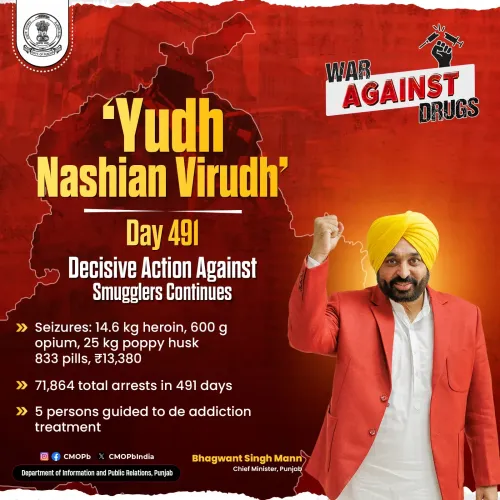
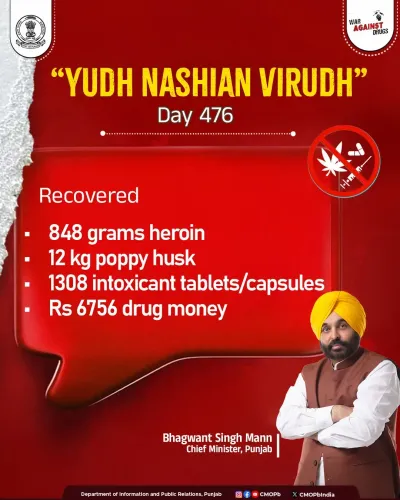
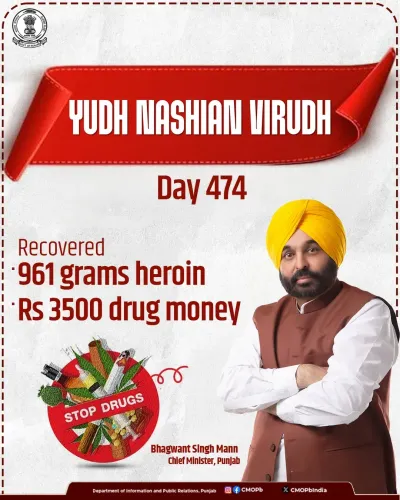
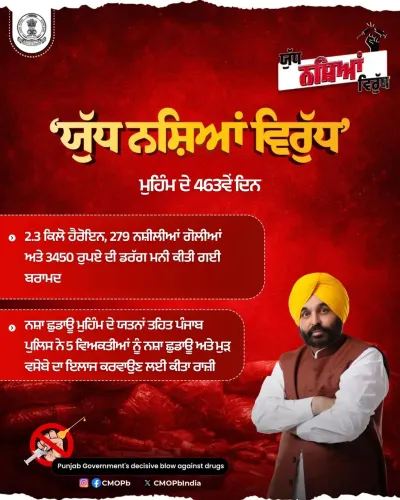
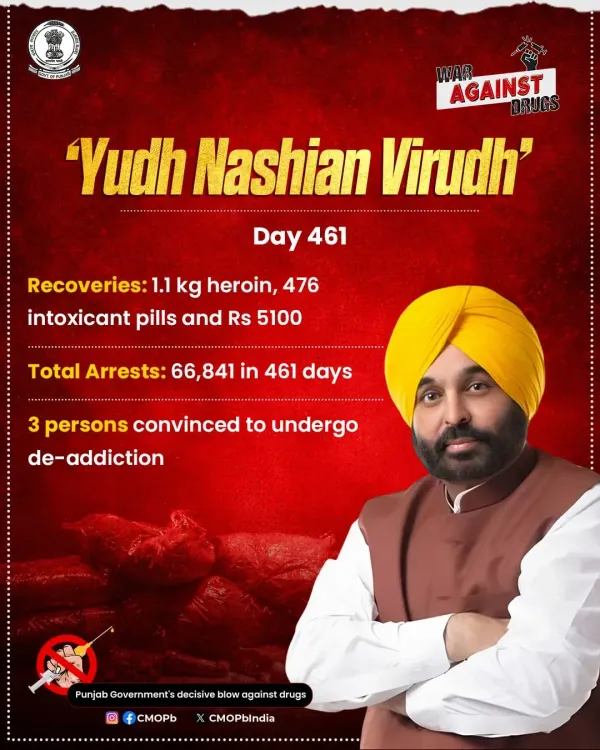
The Chief Minister's Office of Punjab on 6 June 2026 reported the 461st day of the Yudh Nashian Virudh anti-drug campaign. Punjab Police arrested more smugglers, recovering 1.1 kg heroin and 476 pills, pushing the cumulative arrest count to 66,841. Three persons were also referred to de-addiction treatment on the day.
Key Takeaways
Punjab's Yudh Nashian Virudh anti-drug campaign completed its 461st consecutive day of operations on 6 June 2026 .
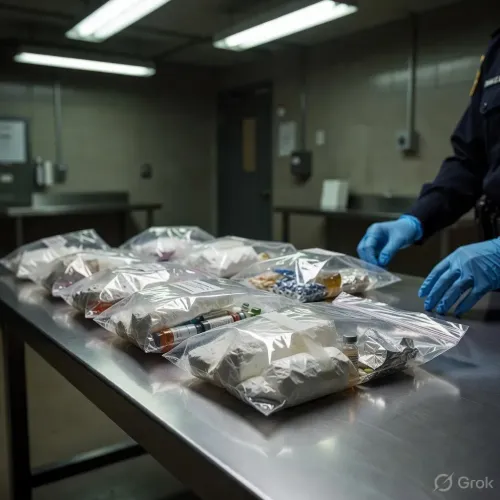
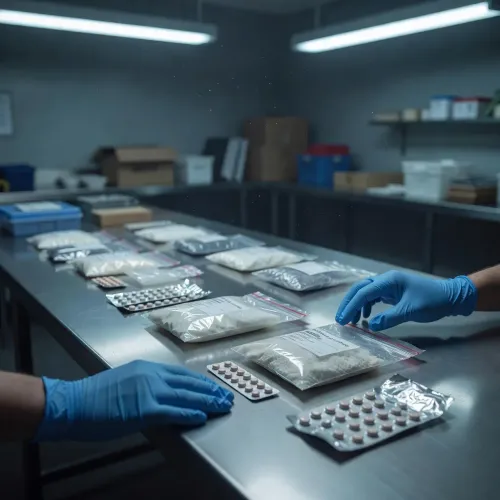
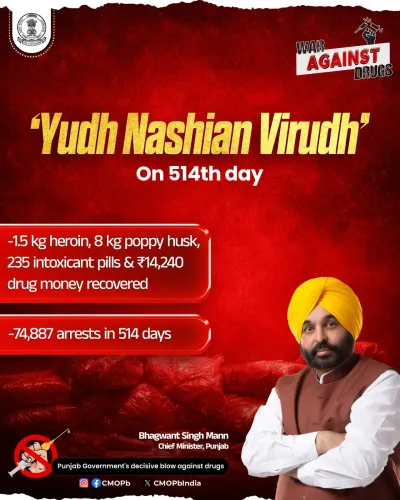
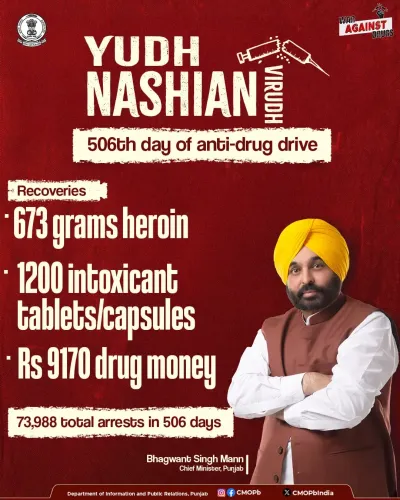
Day-461 seizures included 1.1 kg of heroin , 476 intoxicant pills , and Rs 5,100 in drug money.
The total number of drug smugglers arrested since the campaign's launch has reached 66,841 .
Three persons were convinced to voluntarily undergo de-addiction and rehabilitation treatment on the same day.
The campaign combines daily enforcement operations with an active rehabilitation outreach component.
The drive is a flagship initiative of the Bhagwant Mann -led AAP government, which made drug eradication a central promise of its 2022 election campaign.
The Chief Minister's Office of Punjab on Saturday, 6 June 2026 reported the latest daily update from the state's ongoing anti-narcotics campaign, Yudh Nashian Virudh ('War Against Drugs'), marking the drive's 461st consecutive day of enforcement operations across the state.
What the update says
According to the official post, police teams conducting the day's operations arrested multiple drug smugglers and recovered 1.1 kg of heroin, 476 intoxicant pills, and Rs 5,100 in drug money from their possession. The cumulative arrest tally since the campaign's launch has now reached 66,841 drug smugglers over 461 days. Separately, as part of the drive's rehabilitation component, Punjab Police convinced three persons on the day to voluntarily undergo de-addiction and rehabilitation treatment.Context
Yudh Nashian Virudh is a sustained Punjab-wide campaign combining intensified policing with expanded de-addiction outreach. The Aam Aadmi Party government, which came to power in Punjab in 2022 under Chief Minister Bhagwant Mann, had made the eradication of the drug menace a central electoral promise. The campaign reflects a dual-track approach: enforcement through daily raids and arrests, and rehabilitation through active persuasion of addicts to seek treatment.Policy backdrop
Punjab has faced persistent cross-border heroin trafficking and elevated addiction rates for more than two decades, driven in part by its geography as a border state. Successive state governments have alternated between large-scale enforcement operations and rehabilitation programmes, but the current administration has distinguished its approach by issuing daily quantitative updates — a practice designed to signal accountability and operational continuity. Following the 2022 assembly elections, the state announced a five-year plan combining intensified policing with expanded de-addiction infrastructure.Stakeholders and impact
The primary stakeholders in this campaign are Punjab's youth, border communities, and families affected by addiction. The rehabilitation arm of the drive is particularly significant: each daily figure of persons referred to treatment represents an intervention that moves beyond punitive enforcement. Drug addiction in Punjab has historically been concentrated among young men in rural and semi-urban areas, making the campaign's reach into these communities a key indicator of its long-term effectiveness. Law enforcement personnel, de-addiction centre staff, and local community leaders all play active roles in the daily operations.What's next
The Chief Minister's Office of Punjab is expected to continue issuing daily operational updates as the campaign progresses. Broader milestones to watch include quarterly rehabilitation outcome reports, which would provide data on treatment completion and relapse rates. Any proposed amendments to state narcotics laws during the upcoming monsoon session of the Punjab Legislative Assembly could also signal the government's next legislative push on the issue. The consistency of daily reporting itself has become a political signal, with the government using cumulative arrest figures to demonstrate sustained will on an issue that defined its 2022 mandate.Point of View
Converting enforcement metrics into a rolling accountability narrative. Reaching 66,841 arrests over 461 days signals operational scale, but the more politically consequential figure may be the rehabilitation referrals — a metric that shifts the campaign's story from punitive action to social repair. Punjab's drug problem has outlasted multiple governments and enforcement drives, so the true test of this administration's approach will come in outcome data: conviction rates, treatment completion figures, and whether addiction prevalence in border districts measurably declines. The monsoon assembly session and forthcoming quarterly rehabilitation reports will be the next real stress-test of whether the daily numbers translate into durable policy change.
NationPress
20 Sept 2026
Frequently Asked Questions
What is Yudh Nashian Virudh in Punjab?
Yudh Nashian Virudh, meaning 'War Against Drugs,' is an ongoing Punjab-wide anti-narcotics campaign launched by the Bhagwant Mann-led AAP government combining daily police enforcement operations with de-addiction and rehabilitation outreach.
How many drug smugglers have been arrested in Punjab's anti-drug drive?
As of day 461 of the Yudh Nashian Virudh campaign on 6 June 2026, the total number of drug smugglers arrested has reached 66,841.
What drugs were seized by Punjab Police on 6 June 2026?
On the 461st day of the drive, Punjab Police recovered 1.1 kg of heroin, 476 intoxicant pills, and Rs 5,100 in drug money from arrested smugglers.
What is the rehabilitation component of Punjab's anti-drug campaign?
Alongside arrests, Punjab Police actively convinces drug addicts to voluntarily seek treatment. On 6 June 2026, three persons were persuaded to undergo de-addiction and rehabilitation.
Why is Punjab particularly affected by the drug problem?
Punjab's geography as a border state has made it vulnerable to cross-border heroin trafficking for over two decades, contributing to high addiction rates especially among youth in rural and semi-urban areas.