Punjab CM Bhagwant Mann launches 'Soorma' scheme for drug-rehabilitated youth in Ludhiana
Synopsis
Punjab has rebranded its drug-rehabilitation push with a warrior's identity. The 'Soorma' campaign doesn't just felicitate the recovered — it promises them jobs and turns them into government-backed anti-drug advocates, while 3,100 sports grounds and 3,000 gyms are set to open by 15 July to keep the next generation away from addiction.
Key Takeaways
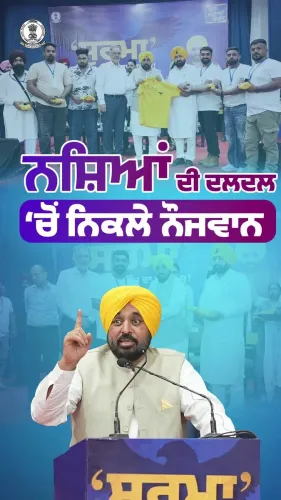
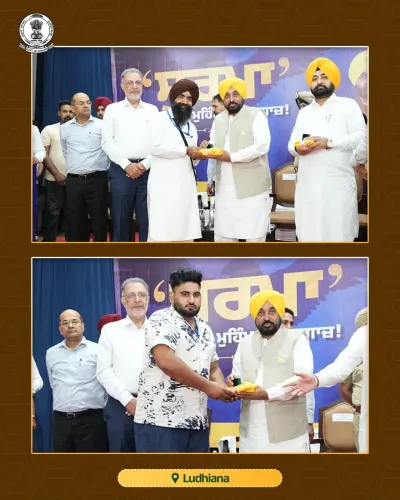
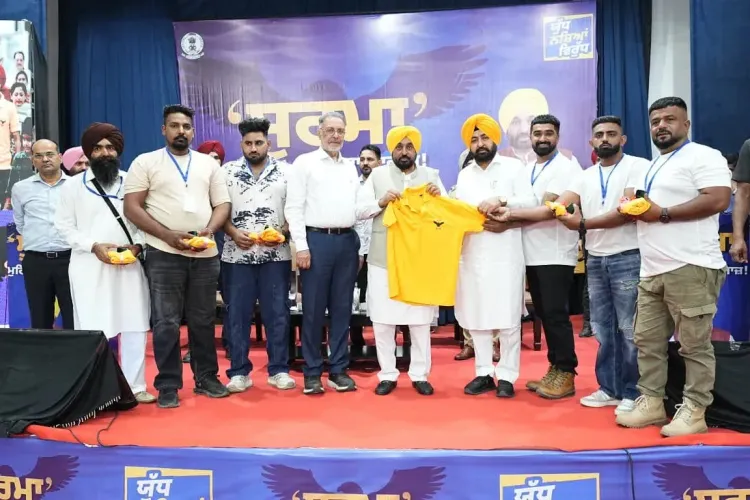
Punjab CM Bhagwant Mann launched the 'Soorma' campaign in Ludhiana on 27 June , honouring drug-rehabilitated individuals with Soorma rings and T-shirts.
Individuals who have been drug-free for over two years are designated 'Ambassadors of Hope' and will receive state employment opportunities .
By 15 July , around 3,100 village sports grounds and 3,000 gyms are to become operational across Punjab.
World-class rehabilitation centres with modern facilities are being established across the state.
Punjab reportedly ranked number one in education with a score of 27 , surpassing Kerala, according to Mann.
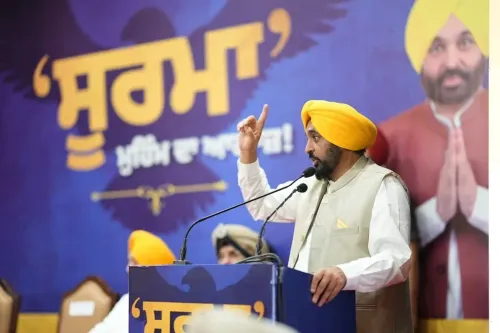
Punjab Chief Minister Bhagwant Mann on Saturday, 27 June launched the 'Soorma' (warrior) campaign in Ludhiana, honouring drug-rehabilitated individuals with specially crafted Soorma rings and T-shirts and declaring them 'Ambassadors of Hope' in the state's ongoing anti-drug movement. The initiative marks the next phase of Punjab's push to eliminate addiction at the grassroots level.
What the Soorma Campaign Entails
The campaign felicitates individuals who have remained drug-free for over two years, recognising their resolve in the face of deep social stigma. Beyond symbolic recognition, Chief Minister Mann announced that these recovered individuals will be provided with employment opportunities by the state government, positioning rehabilitation as a bridge to economic reintegration.
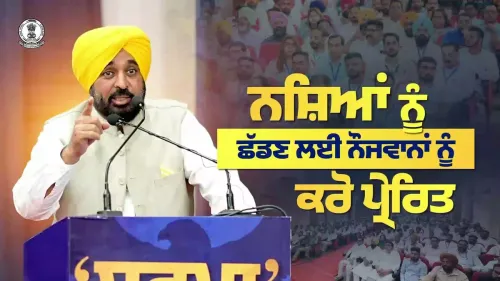
'There is a huge social stigma associated with drug addiction. Once people come to know that someone is addicted to drugs, they even stop talking to that person. These young people have gone through that pain and trauma, but today they are ready for a new beginning and are prepared to serve society,' Mann said at the event.
Sports Infrastructure as Anti-Drug Strategy
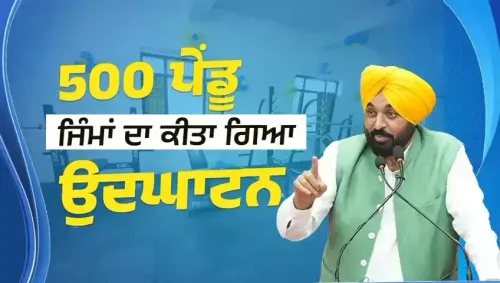
Reiterating his government's belief that sports are among the most effective tools against the drug menace, Mann announced that by 15 July, approximately 3,100 village sports grounds and 3,000 gyms will become operational across Punjab. The infrastructure push is designed to channel the energy of youth away from addiction and toward physical activity and competitive sport.
This comes amid a sustained state-level effort that also includes world-class rehabilitation centres being established across Punjab, equipped with modern medical and counselling facilities.
Rehabilitated Youth as Community Leaders
Mann framed the Soorma awardees not merely as survivors but as assets to society. 'These youth have overcome the illness of addiction and can now help others by sharing their own experiences,' he said. By converting recovered individuals into grassroots advocates, the government is betting on peer-led outreach as a force multiplier for its anti-drug messaging.
Notably, the campaign draws on the cultural weight of the word 'Soorma' — a Punjabi term for a warrior or hero — to reframe the public identity of those who have battled addiction, countering the stigma that has historically silenced them.
Broader Governance Context
Mann used the occasion to highlight parallel achievements across sectors. He stated that Punjab has emerged as the number one state in education with a score of 27, surpassing Kerala and several other states, attributing this to improvements in government school quality. He argued that education, alongside healthcare, sports infrastructure, and rehabilitation, forms the foundation of what his government calls a 'Rangla Punjab' — a prosperous and vibrant Punjab.
'Cards or freebies alone cannot eliminate poverty, but education certainly has the power to do so,' he added, signalling a shift in the government's welfare framing toward long-term human capital investment.
With the Soorma campaign now active and sports infrastructure set to scale before mid-July, the state's next challenge will be sustaining momentum — and measuring whether peer-led advocacy translates into measurable declines in new addiction cases.
Point of View
Neutralising stigma while creating a grassroots advocacy network the government does not have to fund separately. The employment promise is the critical variable — if jobs do not materialise, the symbolic gesture risks looking hollow. The 3,100 sports grounds target by 15 July is ambitious and verifiable; whether that deadline holds will be an early credibility test for the broader anti-drug narrative Mann has staked his administration on.
NationPress
26 Sept 2026
Frequently Asked Questions
What is the Soorma campaign launched by Punjab CM Bhagwant Mann?
The Soorma campaign is a Punjab government initiative launched on 27 June in Ludhiana that honours drug-rehabilitated individuals — those drug-free for over two years — with Soorma rings and T-shirts, designates them 'Ambassadors of Hope', and promises them state employment opportunities.
Who is eligible to be recognised under the Soorma campaign?
Individuals who have successfully remained drug-free for more than two years are eligible for recognition under the Soorma campaign. They are felicitated by the Punjab government and are expected to inspire others battling addiction at the community level.
How many sports grounds and gyms will Punjab open under this initiative?
Chief Minister Mann announced that approximately 3,100 village sports grounds and 3,000 gyms will become operational across Punjab by 15 July, as part of the state's strategy to use sports infrastructure to deter youth from drug use.
What employment benefits will Soorma awardees receive?
The Punjab government has announced that drug-rehabilitated individuals recognised under the Soorma campaign will be provided with employment opportunities, though specific roles or a formal scheme framework had not been detailed at the time of the launch.
How does the Soorma campaign fit into Punjab's broader anti-drug strategy?
The Soorma campaign is described as the next phase of Punjab's anti-drug movement, complementing world-class rehabilitation centres, expanded sports infrastructure, quality education in government schools, and universal healthcare — all of which the state government frames as pillars of a drug-free 'Rangla Punjab'.