CM Mann Urges Ex-Addicts to Inspire Others, Pledges Punjab Govt Support
Synopsis
Chief Minister Bhagwant Mann called on Punjab youth who have beaten drug addiction to act as 'warriors' and inspire peers to quit, with the state government pledging to stand by them. The message reinforces AAP's ongoing anti-drug campaign anchored in rehabilitation and community outreach.
Key Takeaways
CM Bhagwant Mann addressed youth who have overcome drug addiction on 1 July 2026 , urging them to motivate others to quit drugs.
He called recovering youth 'soorme' (warriors), framing recovery as an act of public courage and reducing associated stigma.
The Punjab government pledged its continued support to recovering addicts in the anti-drug mission.
The statement aligns with the AAP government's 'Yudh Nashean Virudh' framework, combining enforcement with rehabilitation since 2022 .
Punjab has faced substance abuse challenges for over two decades , driven by cross-border trafficking and domestic networks.
The peer-ambassador model implied by Mann's remarks could supplement the state's formal de-addiction centre infrastructure.
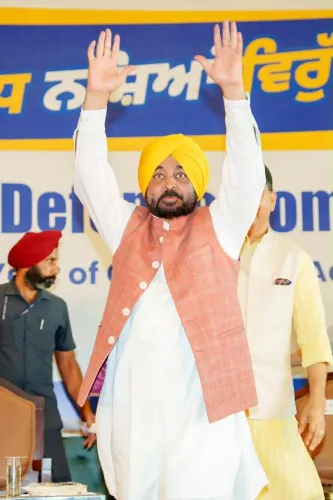
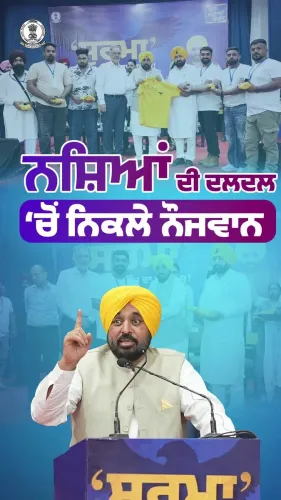
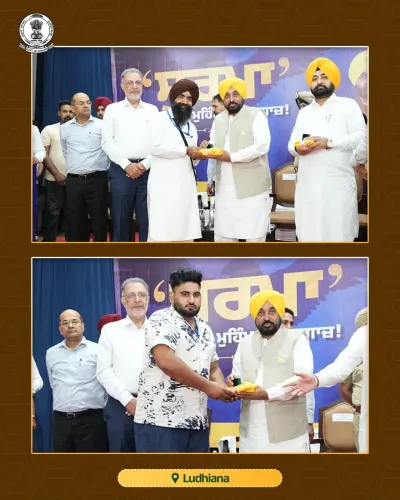
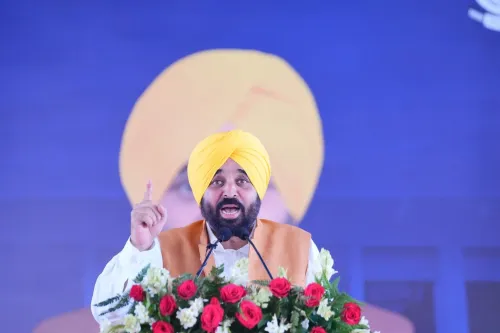
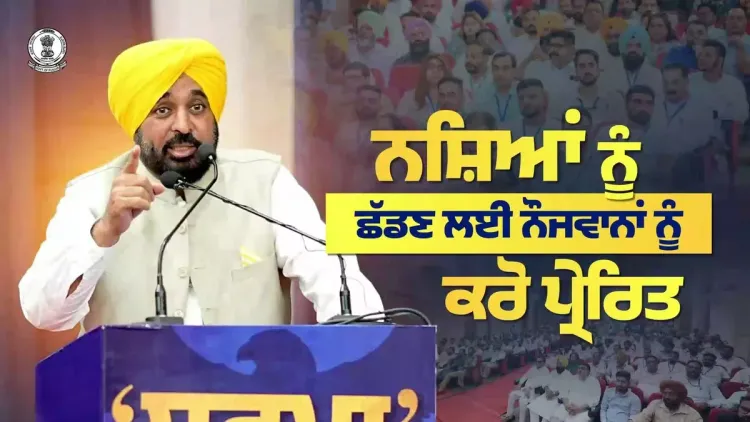
Chief Minister Bhagwant Mann, addressing youth who have overcome drug addiction, urged them on Wednesday, 1 July 2026 to become champions of change and motivate others to quit drugs, reaffirming that the Punjab government stands with them in this mission. The remarks, shared by the Chief Minister's Office of Punjab on X, reflect the state administration's continued push to harness the lived experience of recovering addicts as a community outreach tool.
Context
Speaking directly to young people who have emerged from the grip of substance abuse, CM Mann said — translated from Punjabi — 'Tusi sabh ne soorme ban ke doojian nu nashian nu chhaddan layi prerit karna hai' ('You must all become warriors and inspire others to give up drugs as well'). He added that the Punjab government would always stand by them in this effort. The statement positions recovering youth not merely as beneficiaries of state welfare but as active agents in the anti-drug movement.
Policy Backdrop
Bhagwant Mann and the Aam Aadmi Party came to power in Punjab in March 2022 on a manifesto that explicitly pledged to make the state drug-free through a combination of enforcement, awareness campaigns, and rehabilitation. Since then, the state has expanded government-run de-addiction centres and launched community drives under the 'Yudh Nashean Virudh' (War Against Drugs) framework. The approach couples police action against traffickers with public health messaging, treating recovery as a social responsibility rather than a private matter.
Punjab has confronted substance abuse challenges for over two decades, driven in part by cross-border trafficking networks and domestic supply chains. Successive governments have attempted varying combinations of enforcement and rehabilitation, but the scale of the problem has made it a defining political issue for any ruling party in the state.
Stakeholders and Impact
The primary audience for CM Mann's message is Punjab's recovering youth — individuals who have undergone de-addiction treatment and are re-integrating into society. By calling them 'soorme' (warriors or heroes), the Chief Minister frames their recovery as an act of courage worthy of public recognition. This framing is intended to reduce stigma and encourage peer-to-peer outreach, a strategy that public health experts have long identified as effective in addiction recovery programmes.
Families of addicts, de-addiction centre staff, and community health workers are secondary stakeholders who stand to benefit if recovered individuals take on ambassador roles in their localities. The broader implication is a state-backed peer-support model that supplements formal healthcare infrastructure.
What's Next
Observers will watch whether the Punjab government formalises a structured peer-ambassador programme for recovered addicts, backed by dedicated budget allocations in forthcoming state expenditure reviews. The administration's ability to translate motivational messaging into measurable outcomes — reduced relapse rates, expanded centre capacity, verifiable enforcement statistics — will determine the long-term credibility of its anti-drug agenda. Any mid-term review of the 'Yudh Nashean Virudh' campaign's performance indicators is expected to draw significant political scrutiny.
Point of View
The AAP administration is attempting to build political and moral capital around a cause that defined its 2022 mandate. This messaging is also a tacit acknowledgment that institutional infrastructure alone cannot address Punjab's deep-rooted drug crisis; community credibility matters. The durability of this approach will hinge on whether motivational rhetoric is matched by structured, funded programmes for peer outreach and relapse prevention.
NationPress
30 Sept 2026
Frequently Asked Questions
What did CM Bhagwant Mann say to youth who overcame drug addiction in Punjab?
CM Bhagwant Mann urged youth who have overcome drug addiction to become 'warriors' and inspire others around them to quit drugs, assuring them that the Punjab government will always stand by them in this effort.
What is the 'Yudh Nashean Virudh' campaign in Punjab?
'Yudh Nashean Virudh' means 'War Against Drugs' and is the Punjab government's anti-drug framework launched after the AAP came to power in 2022, combining police enforcement against traffickers with community awareness and rehabilitation drives.
How long has Punjab been dealing with the drug problem?
Punjab has faced persistent substance abuse challenges for over two decades, linked to cross-border drug trafficking networks and domestic supply chains, making it a defining political issue for successive state governments.
What is AAP's policy on drugs in Punjab?
The Aam Aadmi Party's 2022 election manifesto pledged to make Punjab drug-free through a three-pronged approach of enforcement, public awareness, and rehabilitation, including the expansion of government-run de-addiction centres.
Why is the Punjab CM asking recovered addicts to motivate others?
By asking recovered addicts to inspire peers, CM Mann is promoting a peer-support model in which individuals with lived experience of addiction carry greater credibility and influence than official messaging alone, a strategy widely recognised in public health as effective for community outreach.