Puri Meets Ludhiana MSME Owners, Assures Uninterrupted Energy Supply
Synopsis
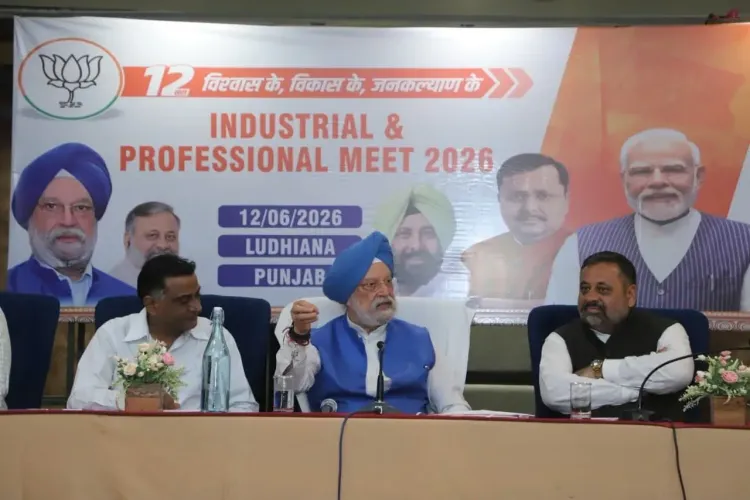
Union Petroleum Minister Hardeep Singh Puri visited Ludhiana on June 12, 2026, to meet MSME owners at the Industrial & Professional Meet 2026, heard their operational grievances against the state government, and assured them of uninterrupted energy supply despite global geopolitical pressures — coinciding with PM Modi's 12-year tenure milestone.
Key Takeaways
Hardeep Singh Puri attended the Industrial & Professional Meet 2026 in Ludhiana on June 12, 2026 .
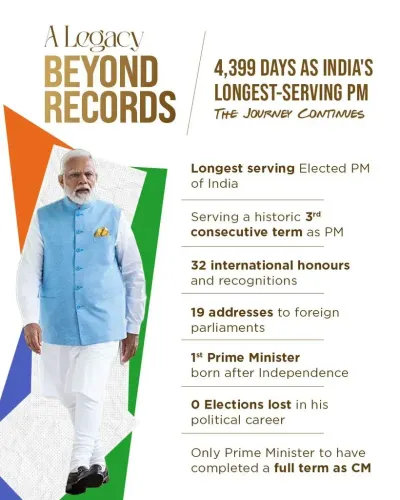
The visit coincided with the 12th anniversary of PM Narendra Modi 's tenure as Prime Minister.
MSME entrepreneurs raised operational problems and said the Punjab state government had not met their requirements.
Puri assured participants of 'continued uninterrupted energy supply' despite geopolitical pressures on global energy producers.
Ludhiana hosts one of India's densest MSME clusters, spanning textiles, bicycles, machine tools, and auto parts.
Central-state coordination on industrial power tariffs and MSME support measures in the next Union Budget cycle is the key development to watch.
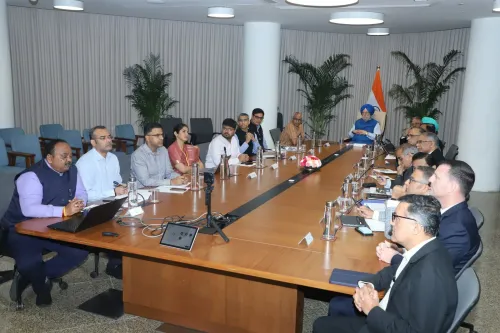
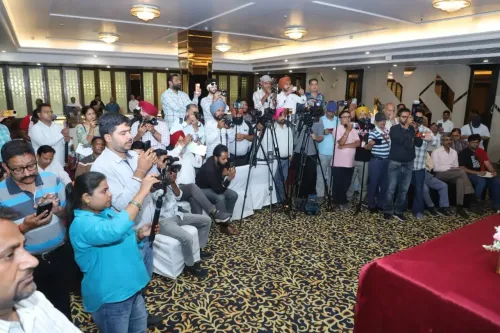
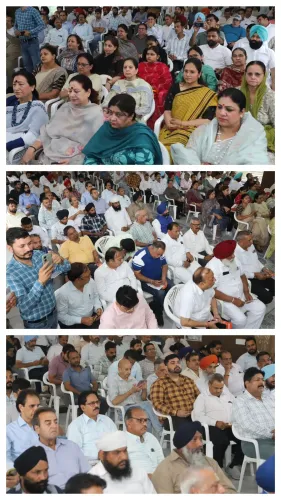
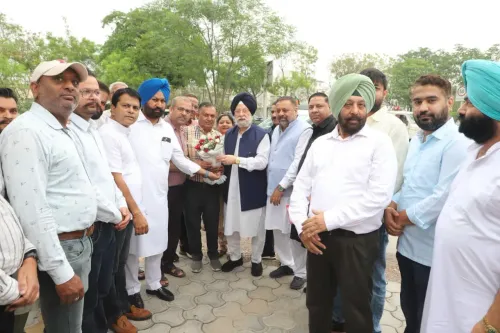
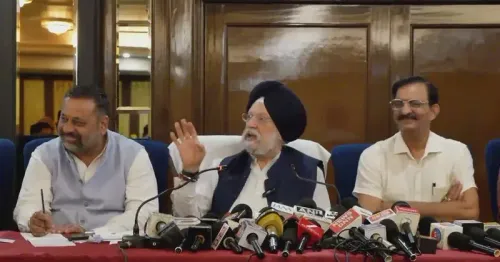
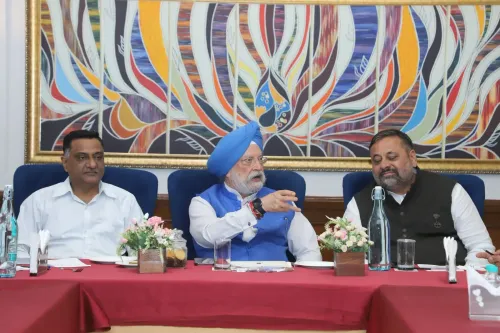
Union Petroleum Minister Hardeep Singh Puri on Friday, June 12, 2026, interacted with a large gathering of entrepreneurs, professionals, and owners of small and medium enterprises at the Industrial & Professional Meet 2026 in Ludhiana, marking the occasion of 12 years of Prime Minister Narendra Modi's tenure. The minister heard operational grievances from industry participants and assured them of continued, uninterrupted energy supply despite ongoing global geopolitical pressures.
Context
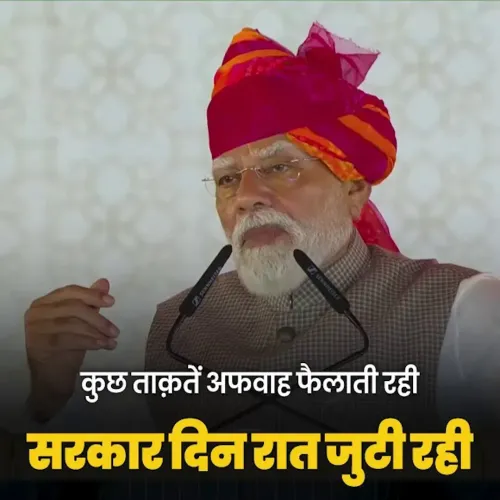
Puri's visit to Ludhiana — Punjab's foremost industrial hub — coincided with the BJP's nationwide observance of PM Modi's 12-year anniversary in office, which the minister described as the tenure of a 'popular, firm and visionary Prime Minister.' The Industrial & Professional Meet 2026 brought together a cross-section of the city's manufacturing community, including owners of micro, small, and medium enterprises that form the backbone of Punjab's economy. Participants used the platform to raise concerns about the day-to-day running of their operations and the adequacy of state-level support.
Ludhiana is home to one of India's densest clusters of MSMEs, spanning textiles, bicycles, machine tools, and auto parts. The city's industrial units have historically been vocal about power supply reliability, regulatory compliance burdens, and infrastructure gaps — issues that often require coordination between the Union government and the Punjab state administration.
Policy Backdrop
The Union government's outreach to state-level industry clusters on energy security has been a recurring feature of its engagement strategy since 2014, when the Make in India initiative was launched to promote manufacturing and ease the regulatory burden on MSMEs. India's oil-import diversification strategy, intensified over the same period, was designed to reduce exposure to supply shocks from any single producer region. These policy pillars form the backdrop against which Puri's energy assurances to Ludhiana's industry were delivered.
Puri, in his remarks, acknowledged the geopolitical situations involving several global energy producers and stated that India's supply chain had been structured to absorb such disruptions. The minister's assurance of 'continued uninterrupted energy supply' directly addresses one of the most persistent concerns of energy-intensive manufacturing units in Punjab, where power availability and tariff levels have long been flashpoints between industry and the state government.
Stakeholders and Impact
MSME entrepreneurs at the meet apprised the minister of specific problems they face and, according to Puri's post, indicated that the state government has not been able to meet their requirements. This framing places the Union minister in the role of a responsive central authority contrasted with a state administration — Punjab is currently governed by the Aam Aadmi Party — that industry participants say has fallen short. The interaction underscores the persistent tension between central industrial policy ambitions and state-level execution capacity.
For Punjab's manufacturing sector, which contributes significantly to the state's exports and employment, a credible assurance of uninterrupted fuel and power supply from a Union minister carries both practical and signalling weight. Energy costs and reliability directly affect production schedules, competitiveness, and investment decisions for the thousands of MSME units concentrated in and around Ludhiana.
What's Next
The immediate follow-up to watch is whether the concerns raised at the Industrial & Professional Meet 2026 translate into formal central-state coordination on industrial power tariffs or new MSME-focused support measures in the forthcoming Union Budget cycle. Puri's visit signals continued Union government attention to Punjab's industrial constituency, and any subsequent policy announcements — particularly on energy subsidies or credit access for MSMEs — will be closely tracked by industry bodies in the region. The broader question of how New Delhi manages energy supply assurances amid evolving global geopolitics will also remain a key metric for manufacturing confidence across India's industrial heartland.
Point of View
The assurance of uninterrupted supply despite global geopolitical disruptions reflects New Delhi's broader effort to insulate its manufacturing-sector credibility from external shocks — a narrative the petroleum ministry has consistently cultivated since India accelerated its oil-import diversification after 2014. Whether the outreach yields concrete policy relief for Ludhiana's industry, or remains a symbolic gesture, will define its lasting significance.
NationPress
19 Sept 2026
Frequently Asked Questions
Why did Hardeep Singh Puri visit Ludhiana in June 2026?
Puri visited Ludhiana on June 12, 2026, to attend the Industrial & Professional Meet 2026, where he interacted with MSME owners and entrepreneurs, heard their operational grievances, and assured them of uninterrupted energy supply. The visit also marked the 12th anniversary of PM Modi's tenure.
What issues did MSME owners raise with Hardeep Singh Puri in Ludhiana?
MSME owners and entrepreneurs apprised Puri of problems in running their operations and indicated that the Punjab state government had not been able to meet their requirements. Specific resolutions from the meeting have not been officially detailed.
What did Puri assure about energy supply to Punjab's industries?
Puri assured participants of continued, uninterrupted energy supply despite geopolitical situations involving several global energy producers, reflecting the Union government's oil-import diversification strategy designed to absorb supply disruptions.
What is the significance of Ludhiana for India's MSME sector?
Ludhiana is one of India's most important industrial hubs, hosting a dense cluster of MSMEs in textiles, bicycles, machine tools, and auto parts. These enterprises contribute significantly to Punjab's manufacturing output, exports, and employment.
How does this visit connect to PM Modi's 12-year anniversary?
Puri framed his Ludhiana visit as part of the occasion marking 12 years of PM Modi's tenure, which began in May 2014. The BJP has been conducting outreach events across the country to mark the milestone, and this industrial meet was positioned within that context.